A Comparative Analysis of Air Filter Data from Different Filter Types
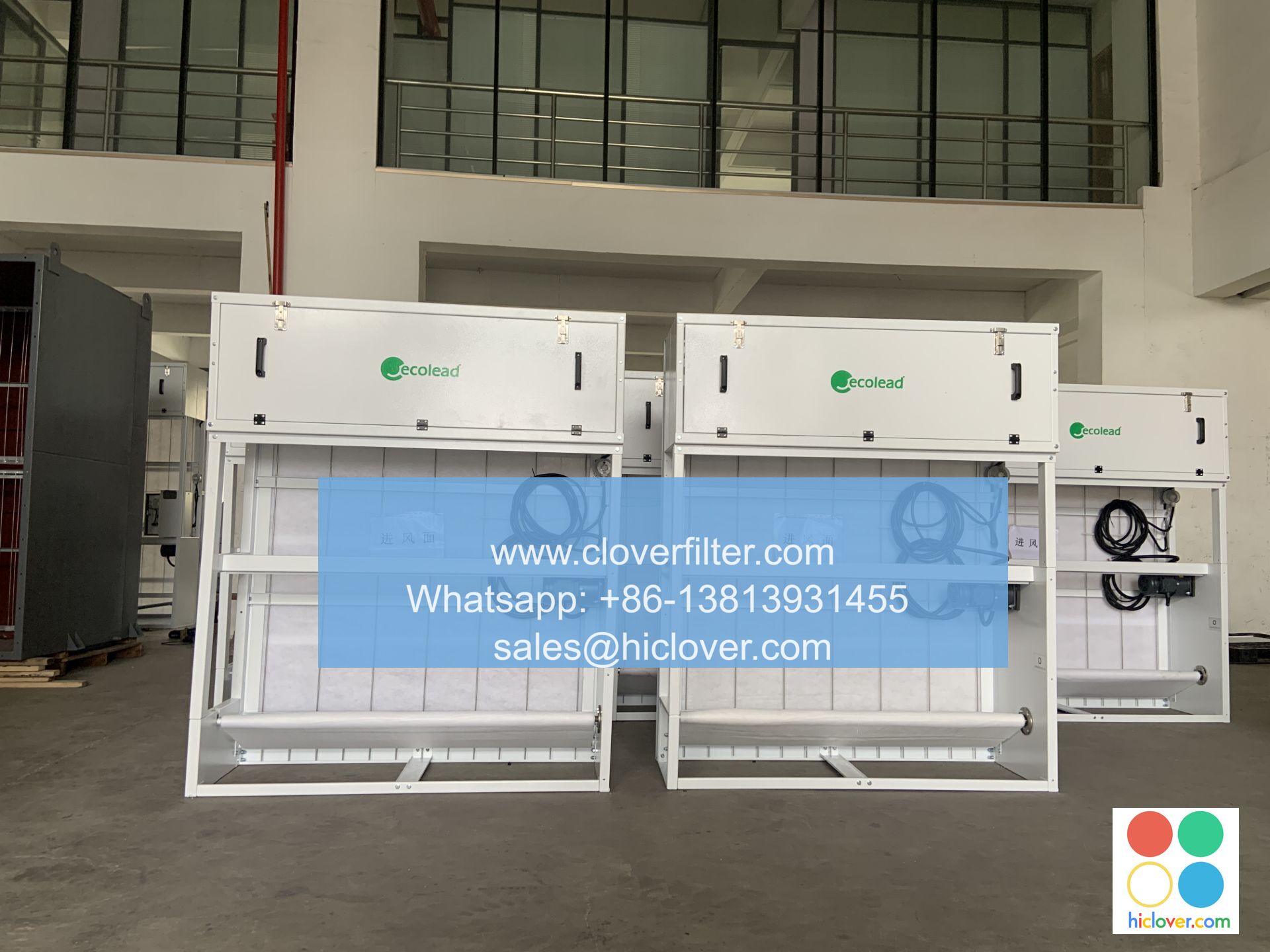
In industries ranging from healthcare to manufacturing, air quality is pivotal. This article delves into various air filter types, their efficiencies, and their specific application areas.

<section>

    <h2>Understanding Air Filter Types</h2>

    <p>Air filters come in various types, each designed for different applications and environments. The most common filter types include:</p>

    <ul>

        <li><strong>HEPA Filters:</strong> High-Efficiency Particulate Air filters, known for their ability to trap 99.97% of particles larger than 0.3 microns.</li>

        <li><strong>Activated Carbon Filters:</strong> Effective in removing volatile organic compounds (VOCs) and odors through absorption.</li>

        <li><strong>Electrostatic Filters:</strong> Utilizing static electricity to attract and capture airborne particles.</li>

        <li><strong>Panel Filters:</strong> Widely used in HVAC systems to remove dust and pollen from the air supply.</li>

    </ul>

</section>
<section>

    <h2>Comparative Efficiency Analysis</h2>

    <p>In evaluating air filter performance, we assess criteria such as <strong>filtration efficiency</strong>, <strong>pressure drop</strong>, and <strong>lifetime cost</strong>. A comprehensive study compares various filters, revealing insights into their effectiveness.</p>
<h3>1. Filtration Efficiency</h3>

    <p>HEPA filters consistently outperform others in terms of particulate matter filtration, making them ideal for laboratories and cleanrooms. Activated carbon filters excel in odor removal, predominantly used in residential spaces where VOCs are a concern.</p>
<h3>2. Pressure Drop</h3>

    <p>The <strong>pressure drop</strong> across a filter impacts the airflow in HVAC systems. Panel filters generally provide the lowest resistance, while HEPA filters present a higher pressure drop due to their dense structure.</p>
<h3>3. Lifetime Cost</h3>

    <p>Initial costs versus lifespan maintenance play a critical role in filter selection. Electrostatic filters require less frequent replacement, while HEPA filters, though costly upfront, often deliver longevity and superior filtration.</p>

</section>
<section>

    <h2>Application Areas and Suitability</h2>

    <p>Different air filter types suit varying applications:</p>

    <ul>

        <li><strong>Healthcare Facilities:</strong> HEPA filters are paramount to maintain ultra-clean air in surgical and patient wards.</li>

        <li><strong>Residential Use:</strong> Activated carbon filters are popular in home air purifiers, efficiently removing odors and gases.</li>

        <li><strong>Industrial Settings:</strong> Electrostatic filters are useful for manufacturing environments, capturing fine dust particles without significant airflow interruption.</li>

        <li><strong>HVAC Systems:</strong> Panel filters are routinely used in commercial buildings to improve air quality with minimal maintenance.</li>

    </ul>

</section>
<section>

    <h2>Conclusion</h2>

    <p>The choice of air filter is crucial depending on the application, efficiency requirements, and cost considerations. From healthcare environments to industrial facilities, understanding the comparative advantages of different air filter types can greatly enhance air quality management strategies, leading to optimized performance and healthier environments.</p>

</section>
It seems like you might want help with a specific prompt or topic! Could you provide more details or context about what you’re looking for? Whether it’s writing, brainstorming ideas, or something else, I’m here to assist you!
