The Importance of Air Filtration in Reducing Fire Risks in Industrial Settings: A Study
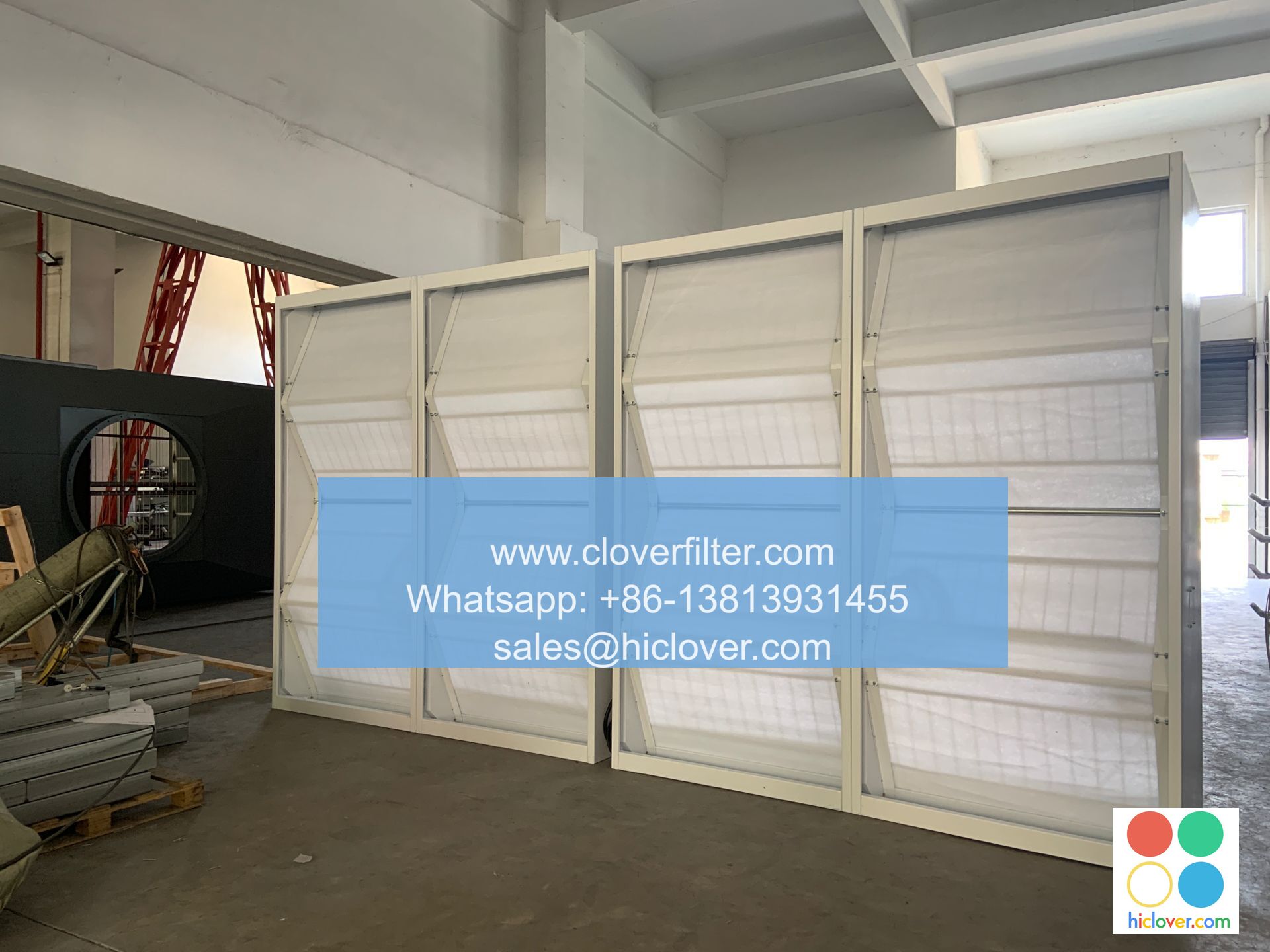
Air filtration plays a critical role in maintaining safety within industrial settings, particularly when it comes to reducing fire risks. Industrial facilities, often filled with flammable materials and processes, must address air quality concerns to prevent catastrophic events. This article explores the significance of air filtration systems, highlighting their applications across various industrial sectors.
Understanding Fire Risks in Industrial Environments

Industrial environments often involve the use of chemicals, machinery, and combustible materials that can create a hazardous atmosphere. Dust, fumes, and volatile organic compounds (VOCs) are prevalent, and without proper air filtration, these elements can accumulate and lead to fire incidents.
Key Contributors to Fire Risks
- Combustible Dust: Many industries, such as food processing, woodworking, and metalworking, generate combustible dust that can ignite.
- Chemical Fumes: The presence of chemical vapors, especially in sectors like pharmaceuticals and manufacturing, poses a significant threat.
- High Temperatures: Machinery and equipment may generate heat, which, along with airborne contaminants, can increase the risk of ignition.
Role of Air Filtration in Mitigating Fire Hazards
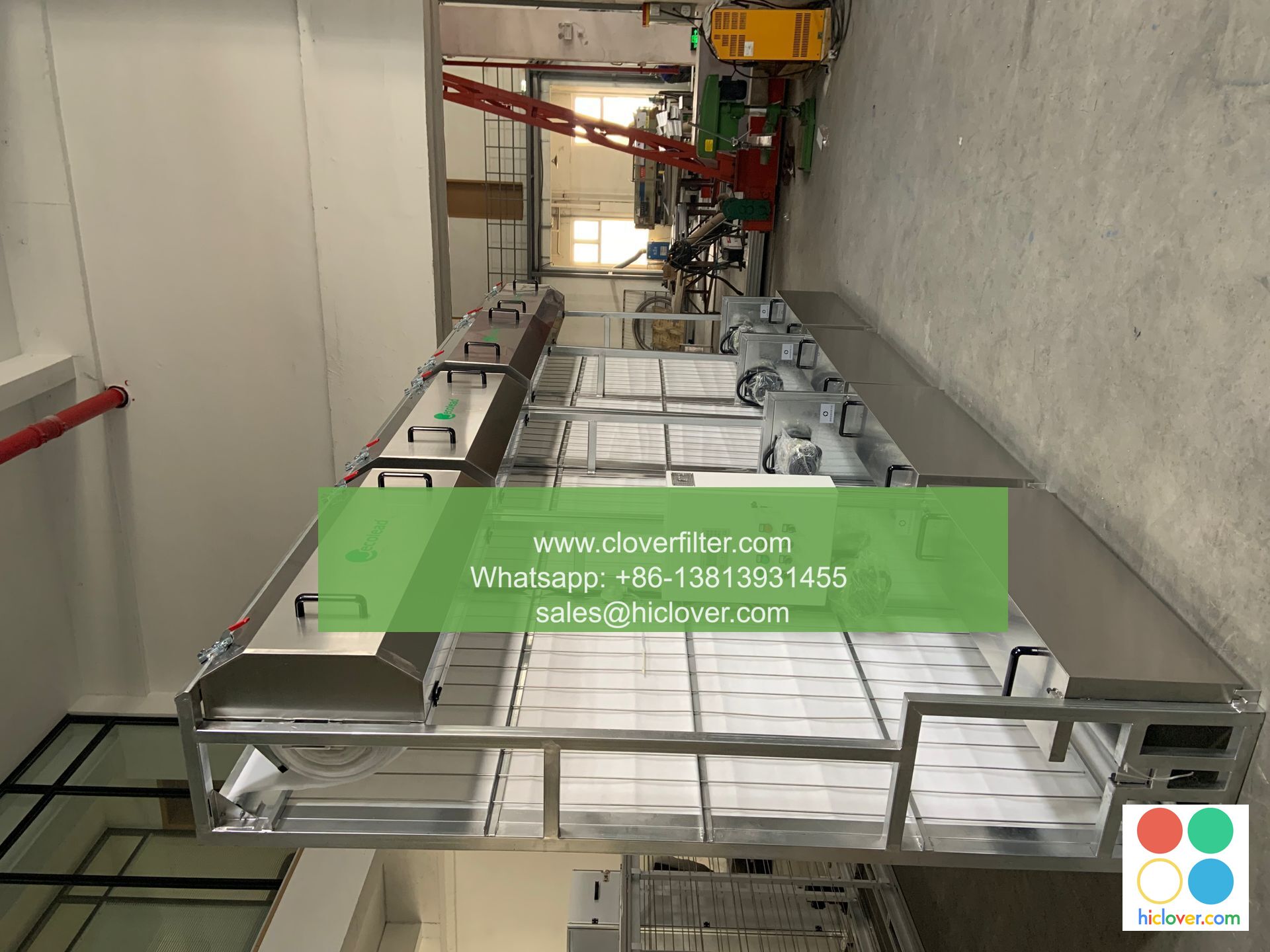
Air filtration systems serve as a first line of defense in reducing the concentration of harmful particles and gases in the air, making them essential in fire risk management.
Types of Air Filtration Systems
-
Mechanical Filters: These filters physically capture particles from the air. They are commonly used in settings with high dust concentrations.
-
HEPA Filters: High-Efficiency Particulate Air (HEPA) filters can remove very fine particles and are crucial in environments where dust accumulation can lead to fire.
-
Activated Carbon Filters: Effective in trapping VOCs, these filters are crucial in applications involving chemicals that could ignite.
-
Electrostatic Precipitators: Used in applications where high levels of particulate matter exist, these devices help reduce the risk of dust accumulation.
Applications Across Various Industrial Sectors
1. Manufacturing
In manufacturing plants, where large quantities of raw materials and processed goods are present, air filtration helps control dust levels and flammable particles, significantly reducing fire risks.
2. Food Processing
Food processing facilities generate significant amounts of flour and other dust particles. Effective air filtration prevents Fire Triangle elements—fuel, heat, and oxygen—from aligning.
3. Woodworking
Woodworking shops are notorious for generating combustible wood dust. Implementing air filtration systems can drastically lower ignition risks by reducing dust accumulation.
4. Chemical Processing
In environments where chemicals are stored or processed, advanced air filtration is essential. It limits the concentration of hazardous fumes, lowering the likelihood of fire ignitions.
5. Metalworking
Metalworking processes can create fine metal dust that poses fire and explosion hazards. Air filtration systems effectively manage this risk by maintaining air quality.
Conclusion
The implementation of air filtration systems in industrial settings is not just a matter of improving air quality; it is essential for reducing fire risks and ensuring workplace safety. By investing in effective air filtration, industries can protect personnel, property, and facilities from the devastating consequences of fire incidents.
The strategic use of air filtration can transform industrial workplaces into safer environments, demonstrating that air quality management is a crucial component of comprehensive fire risk strategies. As industries continue to evolve, advancements in filtration technologies will play an increasingly vital role in safety and compliance standards across various sectors.
It seems like you might be looking for a specific prompt or idea to help you get started with writing or creative thinking. Could you provide more details on what you’re looking for? For example, are you interested in a writing prompt, a brainstorming idea, or something else entirely? Let me know!
