Enhancing Air Quality: Self-Advancing Roll Filters in Nakuru’s Public Transportation
Introduction
Air quality is a pressing issue worldwide, and urban centers like Nakuru, Kenya, are no exception. Public transportation systems contribute significantly to urban air pollution, often leading to adverse health impacts for citizens. Innovative solutions, such as self-advancing roll filters, offer a promising pathway to enhance air quality within Nakuru’s public transport networks.

The Role of Public Transportation in Air Quality
Public transportation is vital for urban mobility, but it also presents challenges regarding air quality. Emissions from buses, matatus (shared taxis), and other vehicles can increase particulate matter and harmful pollutants. Without effective air filtration, passengers and pedestrians alike are exposed to these contaminants, raising health risks and impacting the overall quality of life.
Self-Advancing Roll Filters: A Technological Advancement
What are Self-Advancing Roll Filters?
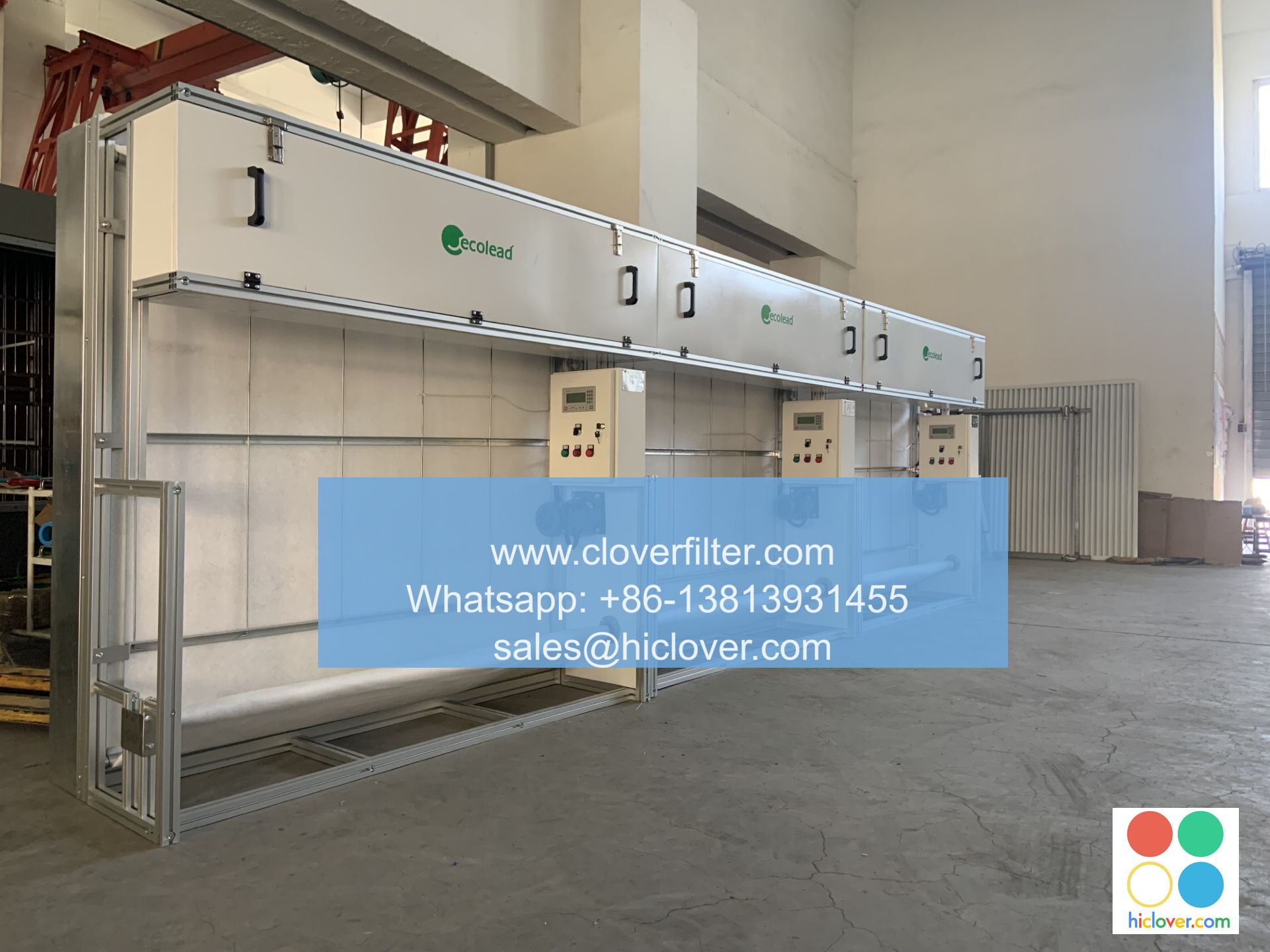
Self-advancing roll filters are sophisticated air filtration systems designed to capture pollutants and particulate matter efficiently. These filters operate on a continuous roll mechanism that allows for the automatic advancement of clean surface material while discarding the contaminated layer. The innovative design ensures a constant supply of fresh, clean air, leading to significant improvements in air quality.
Key Features and Benefits
-
Continuous Air Cleaning: These filters can operate continuously, providing a constant stream of purified air.
-
Environmentally Friendly: The filters are designed with sustainable materials, minimizing waste and contributing to environmental protection.
-
Easy Installation and Maintenance: Self-advancing roll filters can be easily integrated into existing public transportation systems with minimal disruption.
-
Cost-Effective: Over time, these systems can reduce costs associated with health care and lost productivity due to air pollution-related illnesses.
Application Areas in Nakuru’s Public Transport
1. Buses
Implementing self-advancing roll filters in Nakuru’s bus fleets can drastically improve the air quality in and around these vehicles. Passengers will enjoy clean air, fostering a more pleasant commuting experience. Additionally, enhancing the air quality within buses can reduce the spread of airborne diseases, promoting public health.
2. Matatus
Matatus are an essential component of Nakuru’s transportation landscape. Equipping these vehicles with advanced filtration systems will not only protect passengers but also contribute to cleaner air in urban areas where these vehicles operate frequently.
3. Bus Stops and Transit Hubs
Integrating self-advancing roll filters into bus stops and transit hubs can provide additional air quality benefits. These installations can act as portable cleansing stations, purifying the air for waiting passengers and reducing the inhalation of harmful pollutants from passing traffic.
Impact on Community Health and the Environment
Improved Health Outcomes
The enhancement of air quality through self-advancing roll filters has a direct impact on public health. Cleaner air reduces the risk of respiratory diseases, allergies, and other health-related issues associated with air pollution. This is particularly important in communities with vulnerable populations, including children and the elderly.
Contribution to Sustainable Development
Improving air quality in Nakuru supports broader sustainable development goals, fostering a healthier environment and contributing to economic growth. Clean air can also enhance the attractiveness of Nakuru as a destination for tourism and investment.
Conclusion
The introduction of self-advancing roll filters in Nakuru’s public transportation is a forward-thinking initiative that can significantly enhance air quality. By investing in innovative air filtration technology, Nakuru can protect the health of its citizens and contribute to a cleaner, more sustainable urban environment. The benefits of such advancements will not only be felt by current residents but also for future generations, ensuring a vibrant and thriving Nakuru city.
In summary, addressing air quality concerns in Nakuru through technological innovations like self-advancing roll filters in public transportation presents a transformative opportunity. By prioritizing clean air, Nakuru can pave the way for healthier, more sustainable urban living.
It seems like you might be looking for a writing prompt or a topic to explore. Here are a few prompts across different genres:
-
Science Fiction: After a catastrophic event, humans have to live in underwater cities. Describe the daily life of a family living in one of these cities, including the challenges they face and the technology they use to survive.
-
Fantasy: A young woman discovers an ancient book that allows her to communicate with mythical creatures. However, each interaction comes with a price. What does she learn from these creatures, and what sacrifices does she have to make?
-
Mystery/Thriller: A detective receives a series of letters from an anonymous writer, claiming to know the truth behind a cold case that has stumped the department for years. As she delves deeper, she discovers the letters contain clues that lead to her own past.
-
Romance: Two strangers meet at an airport and are forced to spend an unexpected night together due to a storm. They share their dreams and fears; however, one of them is hiding a secret that could change everything.
-
Historical Fiction: Write about a soldier’s last day in a trench during World War I, reflecting on what led him to war and what he hopes for after it is over.
Feel free to expand upon any of these prompts or ask for something specific!
