Enhancing Patient Safety: Why Automatic Roll Air Filters are Essential in Healthcare Settings
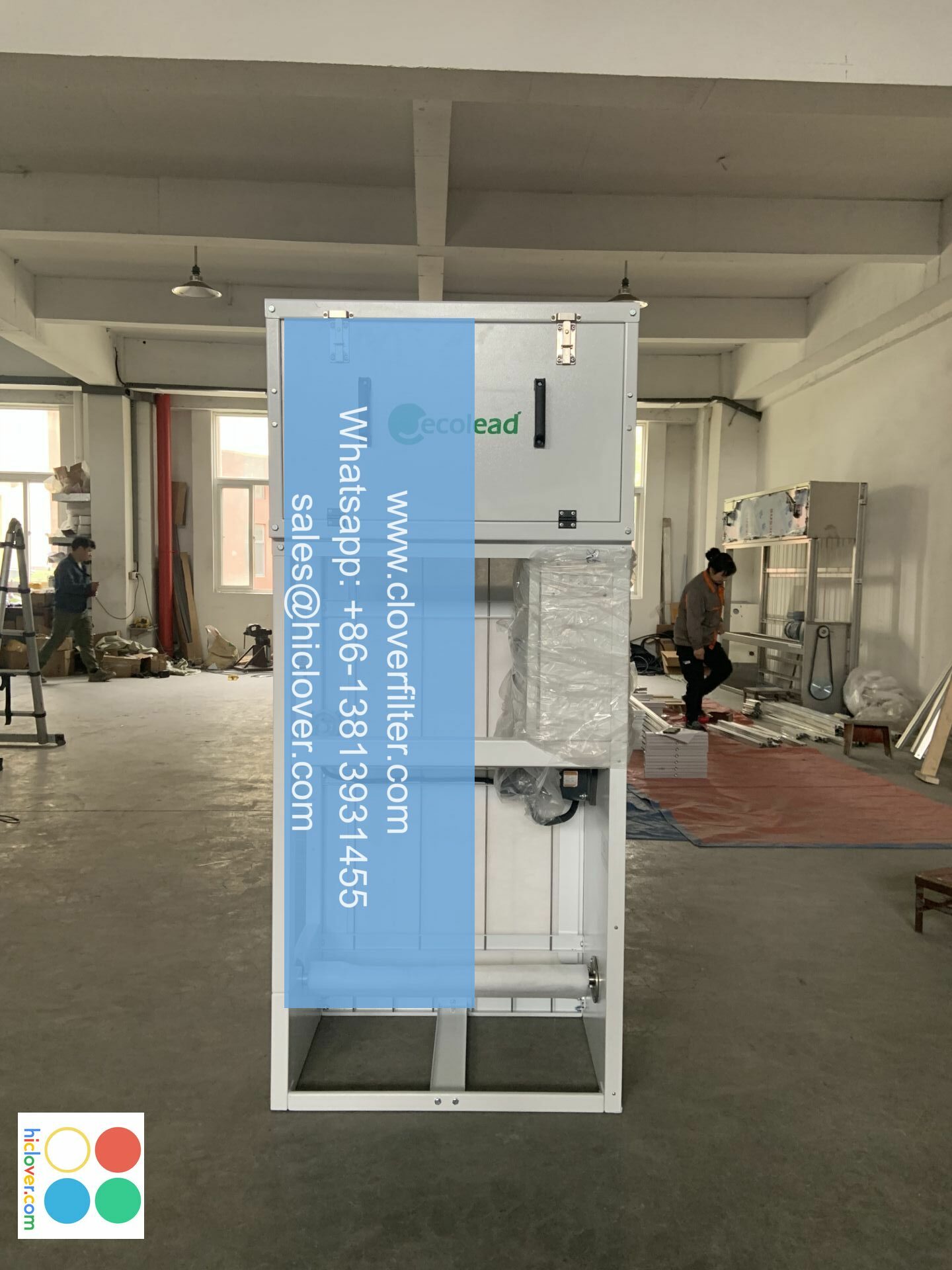
In the ever-evolving landscape of healthcare, ensuring patient safety is paramount. A pivotal yet under-discussed component of patient safety is the air quality in healthcare environments. Automatic roll air filters represent a critical technological advancement in maintaining clean and safe air in hospitals and clinics. This article explores their significance and various application areas in healthcare settings.
The Importance of Air Quality in Healthcare

Healthcare facilities are often populated with vulnerable patients who are more susceptible to infections and respiratory issues. The presence of airborne pathogens, allergens, and particulate matter can compromise patient safety and hinder recovery. Ensuring high air quality is essential in:
- Reducing Healthcare-Associated Infections (HAIs)
- Protecting immunocompromised patients
- Enhancing overall patient comfort
What are Automatic Roll Air Filters?
Automatic roll air filters are advanced air filtration systems that continuously operate to remove contaminants from the air. They are designed to accommodate the specific needs of healthcare environments by offering:

- High Efficiency: These filters capture a wide range of particles, including viruses, bacteria, pollen, and dust.
- Constant Monitoring: Equipped with sensors, automatic roll air filters can adjust their operation based on real-time air quality data.
- Easy Maintenance: The roll design allows for easy replacement and minimal downtime during maintenance.
Key Applications of Automatic Roll Air Filters
1. Operating Rooms
Operating rooms are critical areas where air quality can significantly impact surgical outcomes. Automatic roll air filters ensure that these spaces are kept free of microbes, particulate matter, and other contaminants that could lead to surgical site infections.
2. Patient Wards
In patient wards, particularly those housing vulnerable populations such as newborns and elderly patients, maintaining clean air is essential. Advanced filtration systems reduce the risk of airborne transmission of infections and improve overall patient comfort.
3. Intensive Care Units (ICUs)
ICUs often treat patients with severe health conditions who require impeccable air quality. Automatic roll air filters provide continuous air purification, which is vital for their recovery and protection against nosocomial infections.
4. Waiting Areas
Waiting areas can become congested and increase the risk of airborne disease transmission. Integrating these filters helps maintain a fresh environment, reducing patient anxiety and promoting a sense of well-being.
Conclusion
As the healthcare industry continues to prioritize patient safety, the integration of innovative technologies like automatic roll air filters becomes increasingly essential. By improving indoor air quality across various healthcare settings, these advanced filtration systems not only bolster infection control efforts but also enhance patient satisfaction. Investing in air quality solutions is not merely a luxury; it is a necessity that reflects a commitment to providing safe, high-quality healthcare.
Call to Action
Healthcare facilities should evaluate their air filtration systems and consider adopting automatic roll air filters to elevate their standards of patient care and safety. Together, we can create safer healthcare environments for all.
It seems like you might want to provide a specific prompt or topic for me to respond to. Could you please share more details or clarify what you’re looking for?
