The Science of Air Filtration: How Automatic Roll Air Filters Work in Biosafety Labs
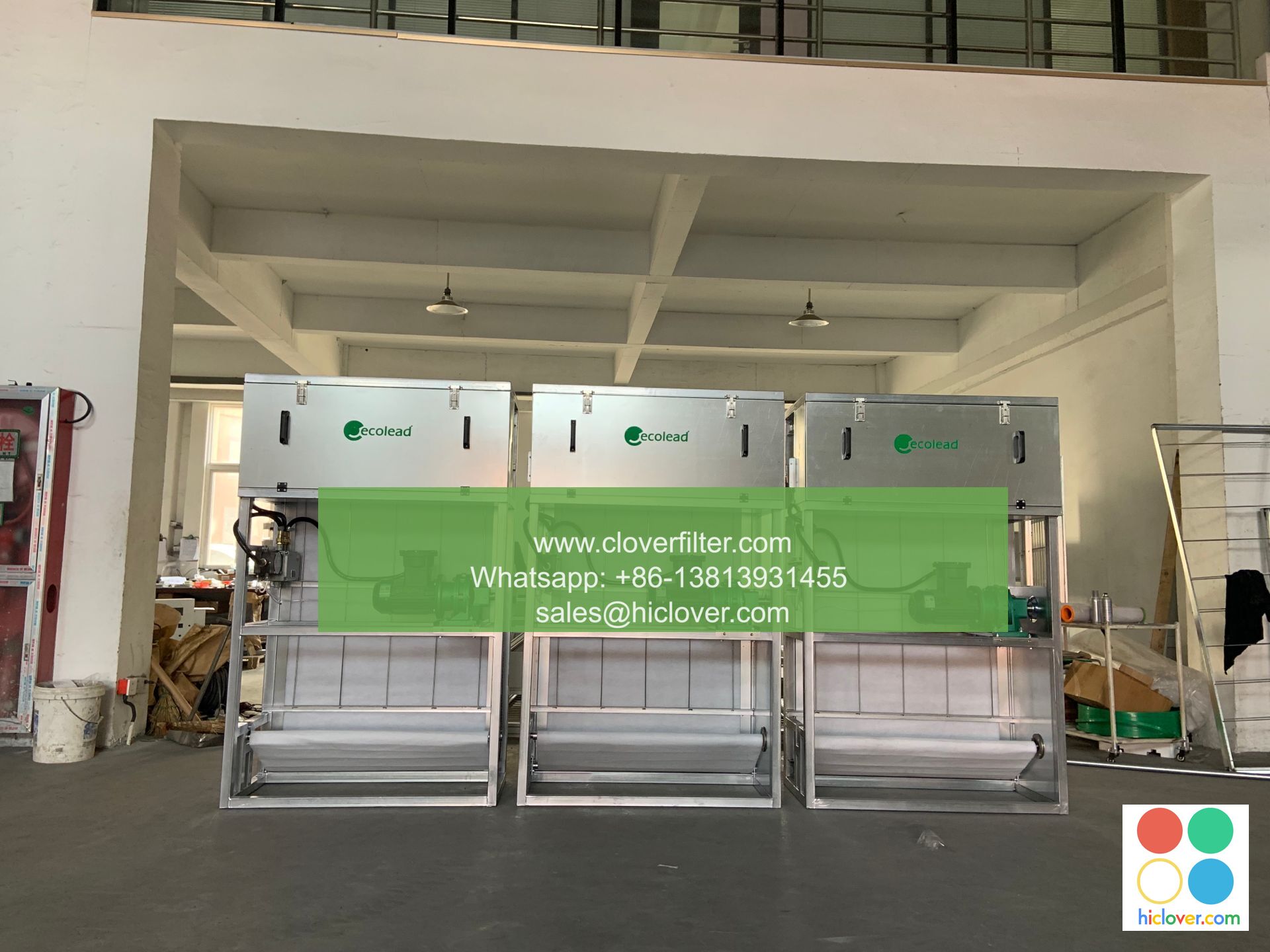
Air quality is paramount in biosafety laboratories, where researchers handle pathogens, toxins, and genetically modified organisms. To ensure a safe working environment, biosafety labs employ advanced air filtration systems. One such innovative solution is the use of automatic roll air filters. This article delves into the science behind air filtration and explores how automatic roll air filters function, their applications in biosafety labs, and their advantages over traditional methods.
Understanding Air Filtration
Air filtration is the process of removing contaminants from the air, which is crucial in maintaining safe environments in laboratories. This involves a combination of mechanical and electrostatic principles to trap particles, pathogens, and other harmful agents.
Key Concepts in Air Filtration
-
Particle Size: Airborne particles vary in size, and efficient filters target specific particle sizes. Filters are often classified by their Minimum Efficiency Reporting Value (MERV) ratings, indicating their ability to capture particles of varying sizes.
-
Filtration Mechanisms: Common mechanisms include interception, inertial impaction, and diffusion, which work together to ensure contaminants are effectively trapped.
Automatic Roll Air Filters: How They Work
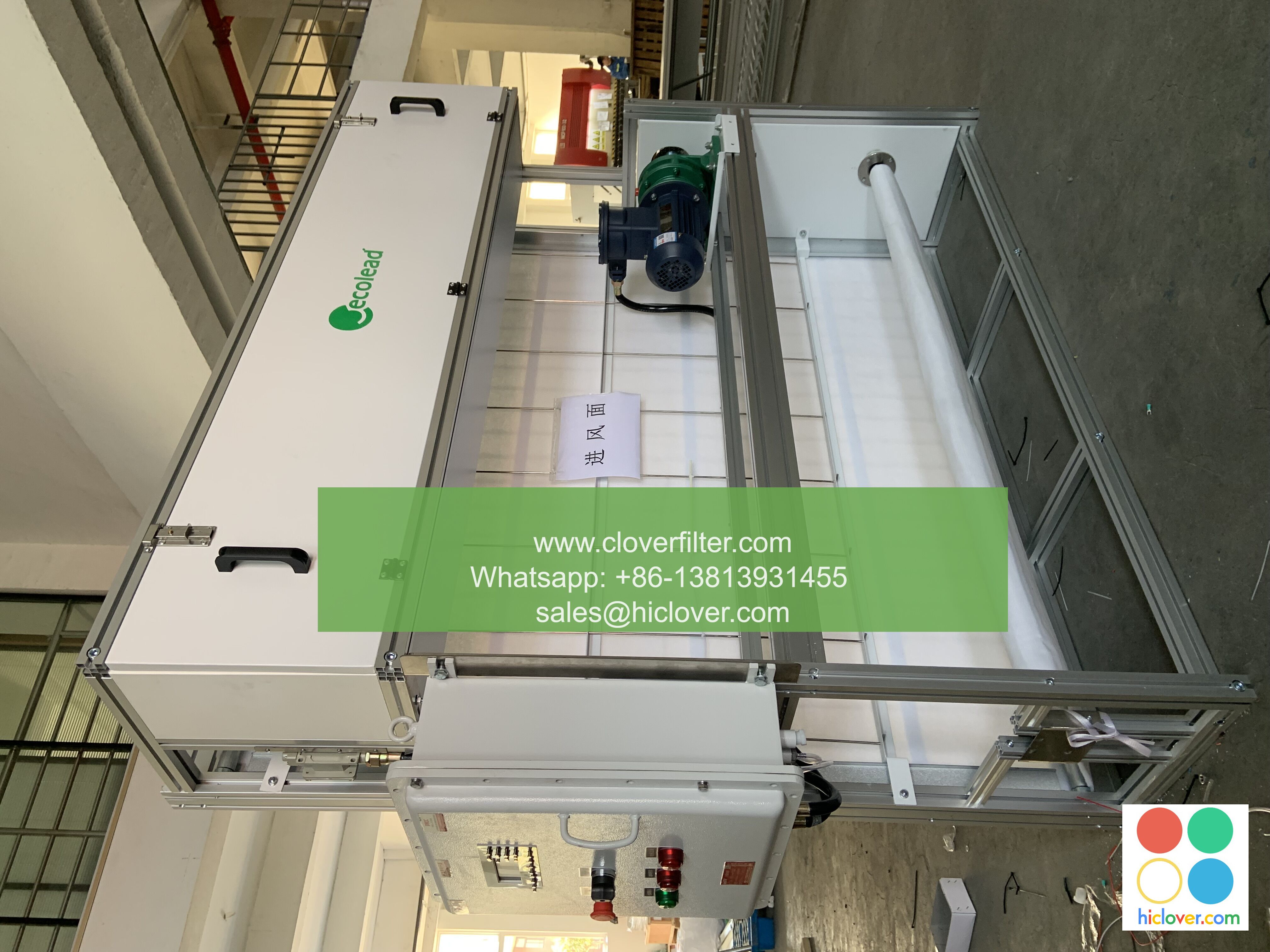
Automatic roll air filters represent a sophisticated evolution in air filtration technology. These filters are designed to be self-advancing, continuously providing a fresh filter surface while maintaining consistent airflow in the lab.
Mechanism of Operation
-
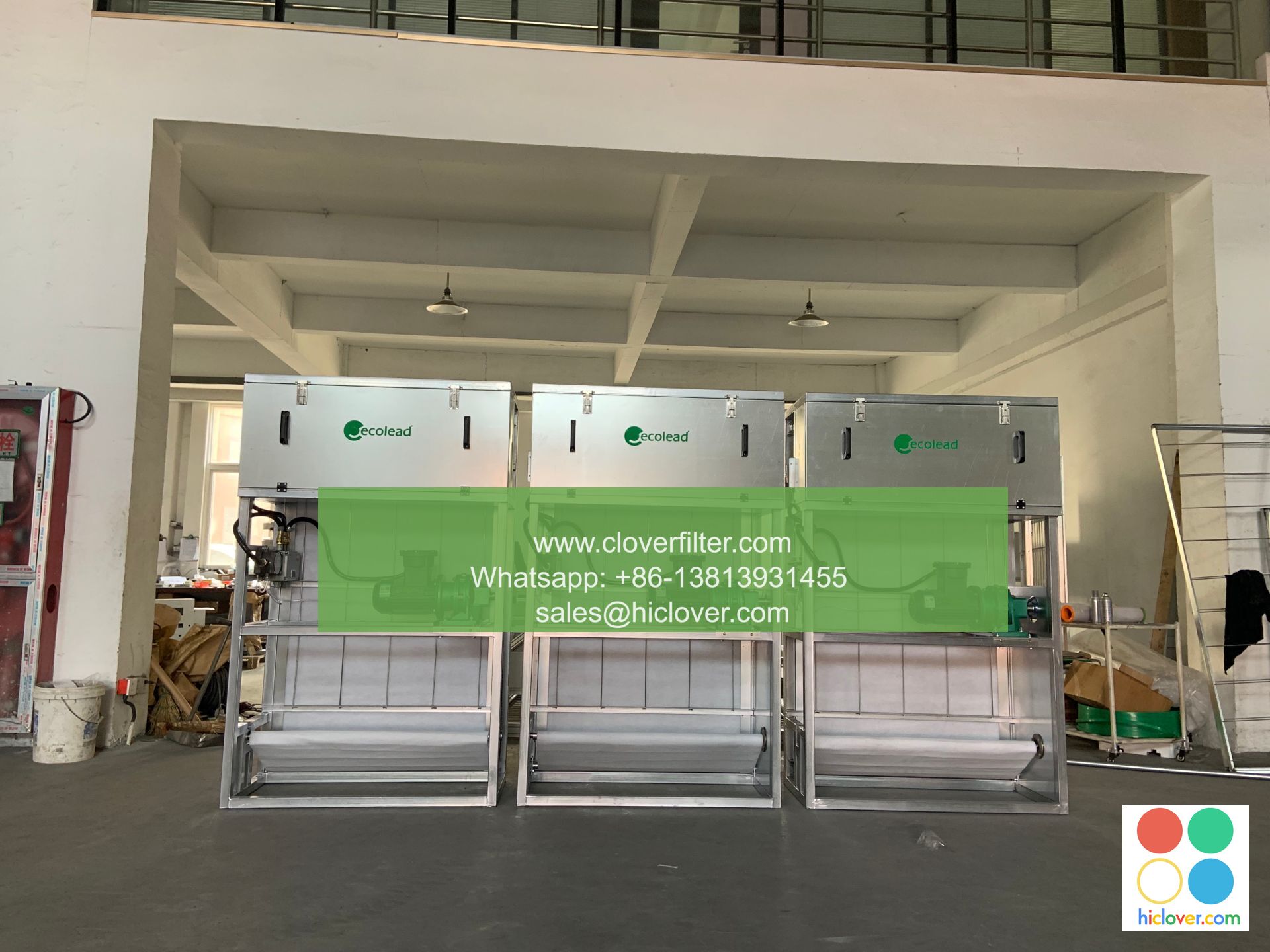
Continuous Roll Design: The core of the automatic roll air filter system is a continuous roll of filter material. As the filter becomes saturated with contaminants, a motorized system advances the roll to present a new, clean section to the airflow.
-
Airflow Control: Sensors monitor airflow and pressure drop across the filter. When resistance increases due to particle accumulation, the system automatically advances the filter to ensure optimal airflow and filtration efficiency.
-
Modular Integration: These systems can be integrated with existing HVAC setups in biosafety labs, allowing for a seamless upgrade without the need for extensive renovations.
Advantages Over Traditional Filtration Systems
-
Maintenance Efficiency: Traditional filters often require timely manual replacement. In contrast, the automatic roll provides continuous filtration, minimizing downtime and labor costs.
-
Consistent Performance: Automatic roll filters maintain optimal airflow solutions, preventing the risk of airflow stagnation and ensuring the lab environment remains safe and controlled.
-
Space-Saving Design: The compact nature of roll filters allows for installation in limited spaces, making them ideal for biosafety labs where space is often at a premium.
Applications in Biosafety Labs
1. Pharmaceutical Research
In pharmaceutical labs, maintaining sterile environments is crucial for drug development. Automatic roll air filters provide a consistent and effective barrier against airborne contaminants, ensuring that research remains uncontaminated.
2. Microbiology and Virology
Biosafety level (BSL) 2 and BSL-3 labs focusing on microbiology and virology utilize automatic roll filters to contain potentially dangerous pathogens. Their advanced filtration capabilities significantly reduce the risk of infection among lab personnel.
3. Biotechnology
In biotechnology research, where genetic material manipulation is often performed, automatic roll air filters safeguard against contamination of both the environment and the experiments, ensuring accurate results.
4. Environmental Monitoring
Labs dedicated to environmental science benefit from automatic roll air filters to maintain clean air quality for sensitive analytical procedures, protecting both the samples and researchers involved.
Conclusion
The adoption of automatic roll air filters in biosafety labs represents a significant advancement in the field of air filtration. With their ability to provide continuous, reliable filtration while minimizing maintenance efforts, these systems enhance the safety and efficiency of laboratory operations. As the demand for advanced research grows, the role of effective air filtration in ensuring a secure and sterile environment becomes increasingly indispensable. By understanding the science of air filtration and harnessing innovative technologies, biosafety labs can better protect their researchers, experiments, and the wider community.
