Enhancing Air Quality and Reducing Emissions with Automatic Roll Air Filters on Newfoundland Offshore Oil Platforms: A Case Study
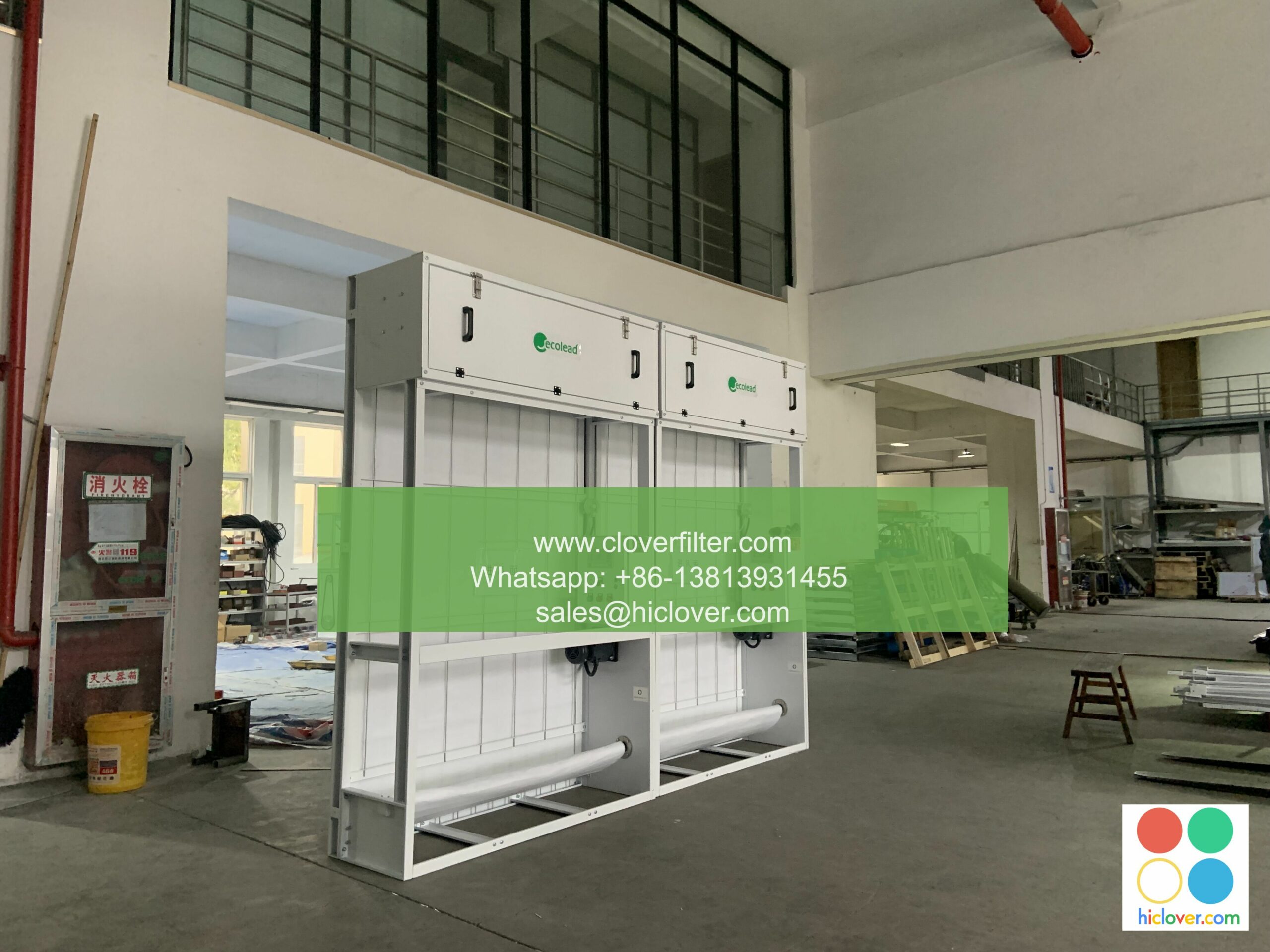
The global demand for energy has spurred extraordinary growth in offshore oil and gas exploration, particularly in regions such as Newfoundland and Labrador. While oil production is crucial for economic stability and energy supply, it is imperative to address the environmental impact associated with emissions and air quality. Innovative technologies such as Automatic Roll Air Filters (ARAF) are becoming increasingly important in enhancing air quality and reducing emissions on offshore oil platforms.
The Context of Offshore Oil Production in Newfoundland

Newfoundland’s offshore oil industry holds significant potential, with vast reserves contributing to the local economy. However, offshore operations generate emissions that can negatively impact air quality. These emissions come from machinery, flaring, and ancillary activities, posing risks to both marine and human health. Addressing these emissions is not only an environmental imperative but also a regulatory requirement.
What Are Automatic Roll Air Filters?
Automatic Roll Air Filters are advanced filtration systems designed to improve the air quality on offshore platforms. They work by continuously rolling and replacing filter media, which captures particulate matter, gases, and other airborne pollutants. This automatic operation ensures a consistent and efficient filtering process, reducing the need for manual intervention and maintenance.
Case Study: Implementation on Newfoundland Offshore Platforms
A leading offshore oil operator in Newfoundland undertook a pilot project to implement ARAF technology across multiple platforms. The project aimed to quantify the benefits of ARAF in terms of emissions reduction and improved air quality.

Methodology
The study employed a combination of real-time air quality monitoring and emissions modeling before and after the installation of ARAF systems. Key parameters included particulate matter concentrations (PM2.5 and PM10), volatile organic compounds (VOCs), and sulfur oxides (SOx).
Results
- Reduction in Particulate Matter: The implementation of ARAF resulted in a 45% decrease in PM2.5 levels.
- Improved VOC Levels: Monitoring indicated a 35% reduction in VOC emissions, contributing to better air quality.
- Lower SOx Emissions: Data showed a significant drop in SOx emissions, enhancing compliance with regulatory standards.
Operational Benefits
The automatic nature of the ARAF system minimized downtime and maintenance costs, leading to operational efficiencies. Moreover, enhanced air quality contributed to a healthier working environment for personnel, reducing health-related absences.
Conclusion
The case study on the implementation of Automatic Roll Air Filters on Newfoundland offshore oil platforms underscores the critical role of innovative technologies in addressing environmental challenges. The significant reductions in emissions and improvement in air quality demonstrate that it is possible to balance energy production with sustainability objectives. As the industry moves toward more stringent regulations and societal expectations regarding environmental stewardship, the adoption of technologies like ARAF will be vital for successful operations in the offshore oil sector.
FAQs
What are the main benefits of Automatic Roll Air Filters?
ARAF provides continuous filtration, reduces particulate matter and VOC emissions, cuts operational costs, and promotes a healthier workplace.
How do ARAF systems improve air quality?
These systems capture harmful pollutants effectively, leading to decreased concentrations of harmful contaminants in the air.
Are there any maintenance requirements for ARAF systems?
While ARAF systems require some maintenance, their automatic feature significantly reduces the frequency and complexity of these tasks compared to traditional filtration systems.
What is the environmental impact of offshore oil production?
Offshore oil production generates emissions that can harm air and water quality, making it essential to implement measures that mitigate these impacts.
