How to Create a Customized Air Filter Program for Your Biotechnology Facility
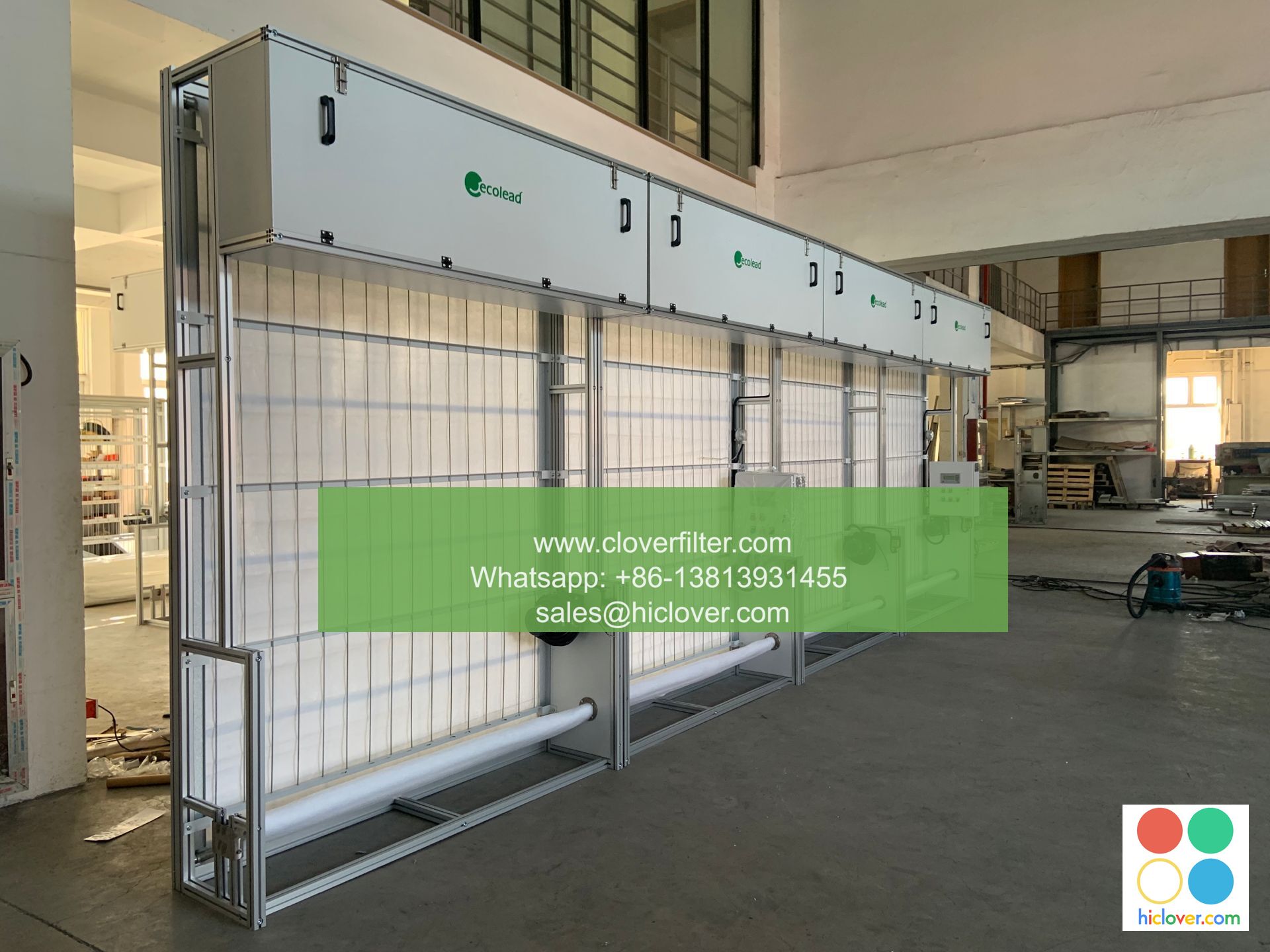
Maintaining a controlled environment in a biotechnology facility is crucial because even the slightest contamination can compromise sensitive experiments and research outcomes. Custom air filtration programs tailored to your facility’s specific needs can significantly enhance the purity of air, thus ensuring the integrity of the biotechnological processes. Here’s how to create a customized air filter program for your biotechnology facility.
Understanding the Importance of Air Filtration

Why Air Quality Matters in Biotechnology
Air quality can greatly influence the outcomes of experiments in molecular biology, cell culture, and pharmaceutical manufacturing. Contaminants such as dust, microbes, and other particulates can affect the viability of cell cultures and the reproducibility of molecular assays. This makes the implementation of a robust air filtration system fundamental to your facility.
Key Areas of Application
- Cell Culture Labs: Ensure sterile environments for growing cell lines.
- Pharmaceutical Production: Maintain precise conditions to prevent contamination in drug manufacturing.
- Research Laboratories: Protect sensitive research projects from airborne pollutants and biological contaminants.

Step 1: Assess Your Facility’s Needs
Identify Critical Areas
Start by mapping out your biotechnology facility to identify areas that require stringent air quality control, including:
- Clean rooms
- Research laboratories
- Manufacturing areas
Evaluate the specific air quality requirements for each area based on the work being conducted.
Analyze Airborne Contaminants
Conduct an air quality assessment to characterize the types and concentrations of airborne contaminants present. This analysis may include:
- Particulates (dust, pollen)
- Biological agents (bacteria, mold)
- Chemical vapors (volatile organic compounds)
Step 2: Choose the Right Air Filtration Technology
Explore Filter Types
Selecting the appropriate filter technology is critical for a successful air filter program. Consider:
- HEPA Filters: Essential for environments requiring low particulate counts.
- ULPA Filters: Ideal for ultra-clean environments, achieving an even higher filtration efficiency than HEPA.
- Activated Carbon Filters: Effective for removing VOCs and odors.
Combine Filter Technologies
A multi-stage filtration system using different types of filters can address a wide range of contaminants. For example, combining HEPA filters with activated carbon filters can capture both particulates and chemical vapors effectively.
Step 3: Establish a Maintenance Program
Regular Filter Replacement
An essential component of your air filter program is the maintenance of the filters themselves. Establish a schedule for:
- Routine inspections to assess the condition of filters
- Replacement timelines based on usage and contamination levels
Monitor Performance
Utilizing air quality monitoring systems will help maintain optimal performance by continuously assessing filtration efficiency and detecting potential issues before they affect the laboratory environment.
Step 4: Implement Training Programs
Educate Staff
Training your staff on the importance of air quality, proper handling of filters, and maintenance protocols is crucial. Consider conducting:
- Workshops on air quality management best practices
- Seminars on the latest advancements in air filtration technologies
Step 5: Stay Updated on Industry Standards
Follow Regulatory Guidelines
Keeping your air filtration system compliant with relevant local and international guidelines is vital. Familiarize yourself with standards set by:
- Environmental Protection Agency (EPA)
- Occupational Safety and Health Administration (OSHA)
- ISO certifications pertinent to biotechnology environments
Conclusion
Creating a customized air filter program for your biotechnology facility requires a detailed approach, focusing on assessing needs, selecting appropriate technologies, and implementing maintenance programs. By prioritizing air quality and staying informed about industry advancements and regulatory standards, you can ensure that your facility remains a leader in biotechnology innovation.
Keywords Highlighted
In summary, the custom air filter program applies broadly across:
- Air Quality Management
- Biotechnology Research Facilities
- Pharmaceutical Production Areas
- Cell Culture Section
By incorporating these strategies, you can engineer an effective, tailored air filtration system that ensures a sterile and well-controlled environment for your biotechnological applications.
Sure! Please provide me with the specific prompt or topic you’d like me to help you with.
