Enhancing Control Hubs: The Benefits of Automatic Roll Dust Filters
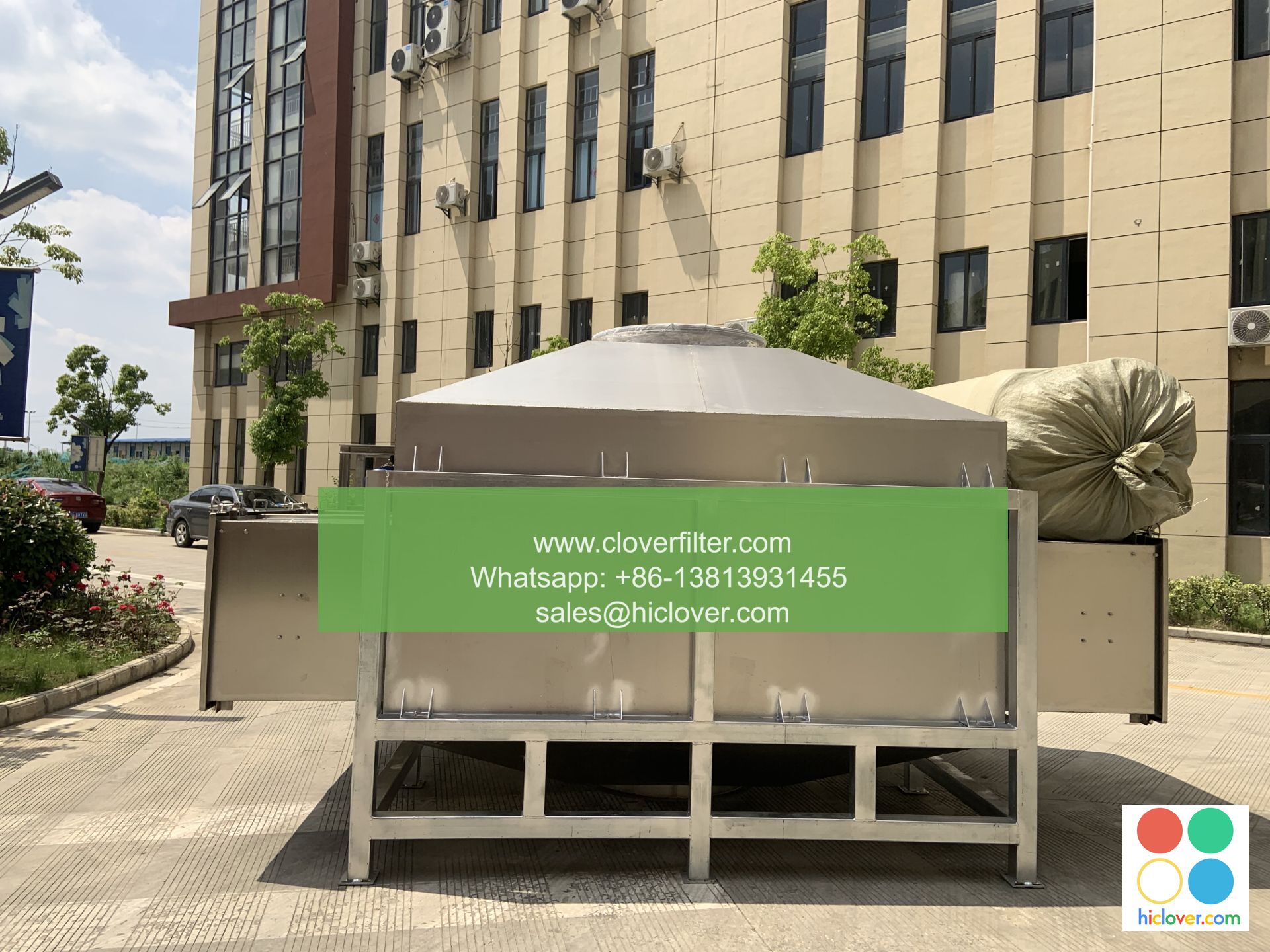
In today’s industrial landscape, maintaining a clean and controlled environment is critical for operational efficiency and employee safety. Among various technologies designed to improve air quality, automatic roll dust filters have emerged as a transformative solution. This article explores the benefits of integrating these filters into control hubs across different industries.
What are Automatic Roll Dust Filters?

Automatic roll dust filters are advanced filtration systems that utilize a continuous roll of filter media to capture dust, particulate matter, and contaminants from the air. Their automated mechanism allows for real-time cleaning and replacement of the filter media, ensuring uninterrupted performance and reducing maintenance efforts.
Key Benefits of Automatic Roll Dust Filters
1. Enhanced Air Quality
By effectively removing airborne contaminants, automatic roll dust filters significantly enhance the overall air quality in control hubs. This improvement leads to healthier environments for employees, reducing the risk of respiratory issues and improving overall well-being.
2. Energy Efficiency
These systems are designed to operate efficiently, minimizing energy consumption. By maintaining optimal airflow and reducing strain on HVAC systems, they contribute to lower operational costs and a reduced carbon footprint.

3. Cost-Effective Maintenance
The automated nature of roll dust filters minimizes the need for manual cleaning and maintenance, resulting in lower labor costs. Their self-cleaning capabilities ensure that the filter media is always in peak condition, thus extending its lifespan and reducing replacement frequency.
4. Versatility Across Applications
Automatic roll dust filters are suitable for a variety of applications across industries:
- Manufacturing Facilities: In high-dust environments, these filters help to maintain equipment efficiency and prolong machinery lifespan.
- Food and Beverage Industry: They ensure compliance with sanitation standards by maintaining air quality and preventing contamination.
- Pharmaceuticals: Stringent air quality requirements are met by removing particulates that could compromise product integrity.
- Agriculture: These filters contribute to better handling of dust and pollen in farming operations, enhancing productivity.
5. Improved Safety Standards
Ensuring a clean working environment is vital for meeting safety standards. Automatic roll dust filters assist in compliance with OSHA regulations by reducing dust and other hazardous airborne particles, thus creating a safer workplace for employees.
Conclusion
The integration of automatic roll dust filters into control hubs offers numerous benefits, including enhanced air quality, energy efficiency, and versatile applications across multiple industries. As businesses continue to prioritize employee safety and operational efficiency, the adoption of these advanced filtration systems will ultimately lead to better working environments and improved productivity.
Investing in automatic roll dust filters not only aligns with sustainability goals but also represents a proactive approach to managing workplace air quality, ensuring that industries remain competitive in an ever-evolving landscape.
It seems like your message might have been cut off. Could you please provide more details or clarify what you’re looking for? Whether it’s a specific topic, idea, or type of writing prompt, I’m here to help!
