Air Filter Maintenance for Theatres and Performance Venues: A Tutorial
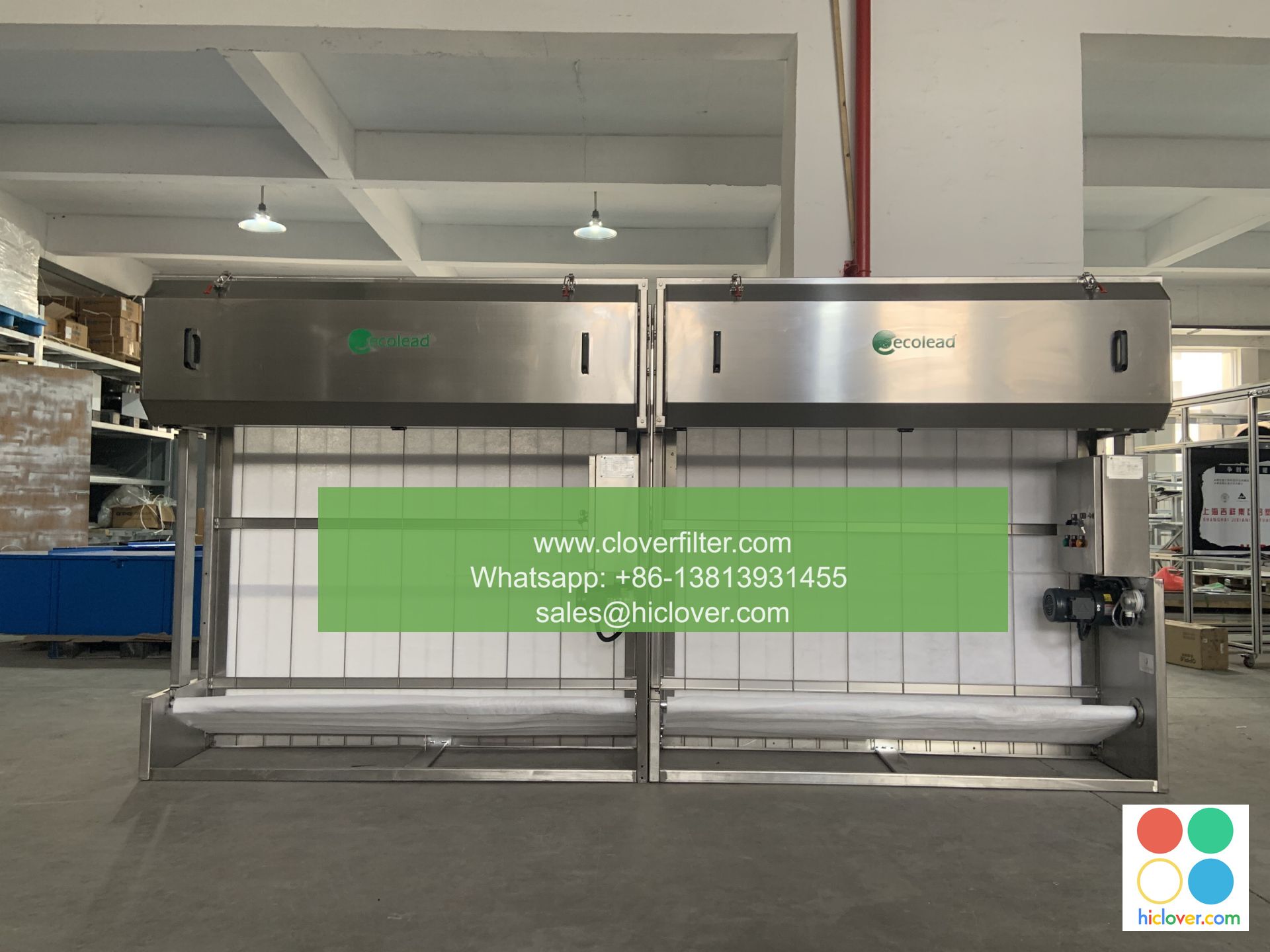
Ensuring optimal air quality within theatres and performance venues is crucial not only for the comfort and health of audiences and performers but also for the longevity of sound and lighting equipment. Regular air filter maintenance is an essential aspect of this process. This tutorial will guide you through the key steps in maintaining your air filtration systems effectively.
Importance of Air Filter Maintenance

Air filters play a vital role in:
- Improving indoor air quality
- Reducing allergens and pollutants
- Enhancing the efficiency of HVAC systems
- Minimizing dust accumulation on equipment
- Maintaining optimal acoustics in performance spaces

Types of Air Filters Used in Theatres
Understanding the different types of air filters can help you make informed decisions about maintenance:
- HEPA Filters: Highly efficient in capturing particulate matter, essential for venues with extensive HVAC systems.
- Activated Carbon Filters: Effective for removing odors and volatile organic compounds (VOCs), crucial for high-intensity performances.
- Disposable Filters: Easy to replace, suitable for smaller theatres and venues with low maintenance requirements.
Step-by-Step Air Filter Maintenance Guide
1. Regular Inspection
Conduct regular inspections of air filters to identify when they need to be cleaned or replaced. This should be part of a scheduled preventive maintenance plan, ideally conducted monthly.
2. Cleaning or Replacing Filters
Depending on the type of filter:
- HEPA Filters: Should be replaced according to manufacturer guidelines or every 6-12 months, depending on usage.
- Activated Carbon Filters: Typically need replacement every 3-6 months to ensure effectiveness.
- Disposable Filters: Replace as needed (usually every 3 months).
3. Cleaning the HVAC System
Along with replacing the filters, ensure that the entire HVAC system is cleaned to remove dust and debris. Consider hiring a professional service if the system has not been serviced in a long time.
4. Monitoring Air Quality
Utilize air quality monitoring systems to track changes in air quality over time. This can help flag any potential problems before they become significant.
Best Practices for Air Filter Maintenance
To ensure the best performance of your air filters and overall air quality, consider the following best practices:
- Document filter maintenance schedules and replacements in a logbook.
- Ensure that all maintenance staff are trained in proper air filter handling and HVAC system operation.
- Evaluate air filtering goals in relation to specific activities and crowds, adjusting maintenance practices as necessary.
Conclusion
By prioritizing air filter maintenance in theatres and performance venues, you not only enhance the experience for your audience and artists but also protect your investment in technology and infrastructure. Implementing a structured maintenance schedule and staying informed about air quality can lead to long-term benefits for your venue.
It seems like your message was cut off! Could you please provide more details or clarify what kind of prompt you are looking for? Whether it’s for writing, art, discussion topics, or something else, I’d be happy to help!
