Air Filter Platforms for Government and Institutional Applications: Improving Indoor Air Quality
Introduction to Indoor Air Quality
Indoor air quality (IAQ) is a critical factor in ensuring the health and comfort of occupants in government and institutional buildings. Poor air quality can lead to a multitude of health issues, including respiratory diseases, allergies, and reduced productivity. Therefore, implementing effective air filter platforms has become a fundamental requirement for these institutions.

The Importance of Air Filter Platforms
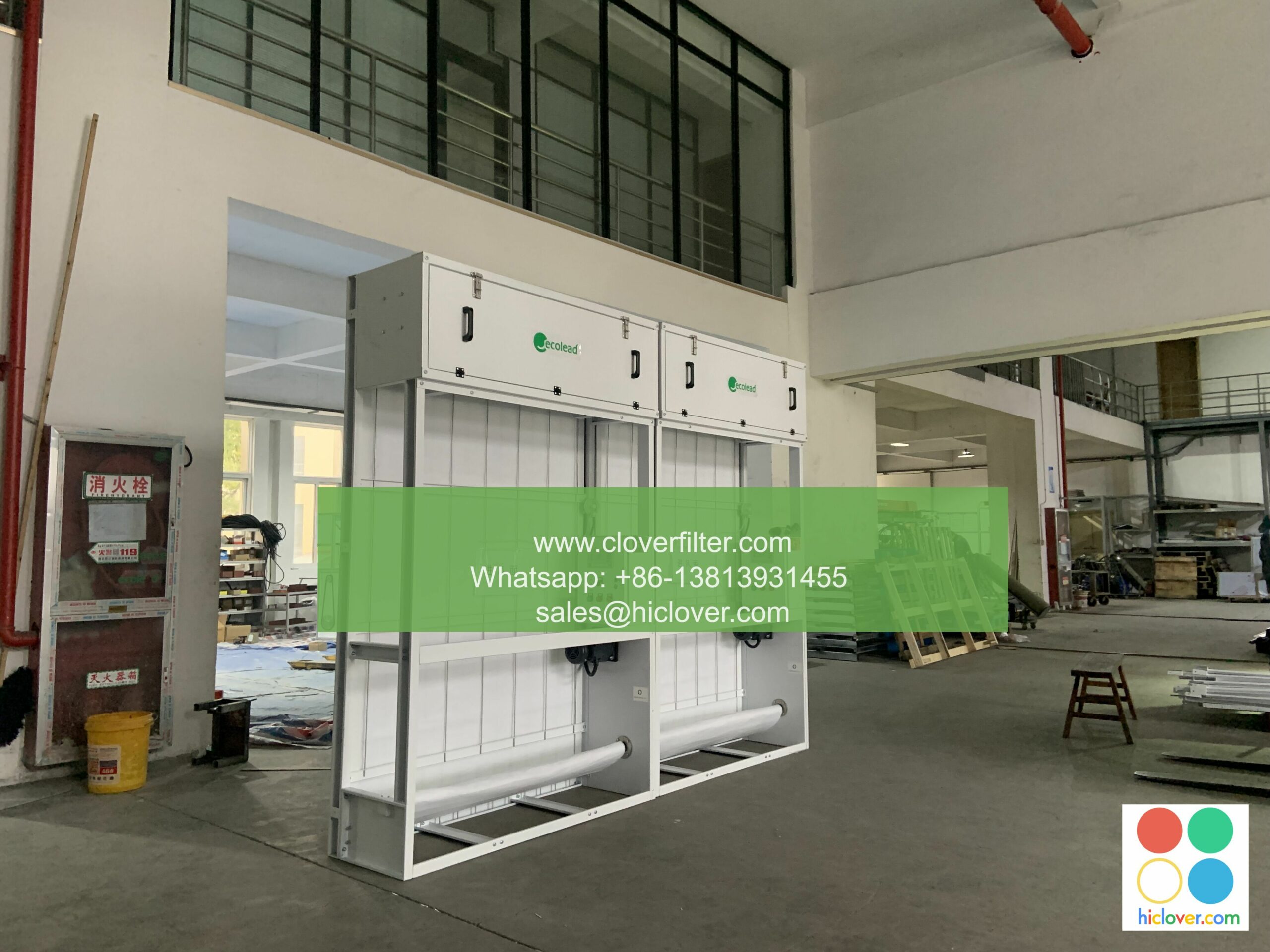
Air filter platforms are specifically designed systems that improve indoor air quality through the efficient removal of airborne pollutants and contaminants. They play a vital role in creating a safe and healthy environment in various institutional applications, including:
- Schools and Educational Institutions
- Government Offices
- Healthcare Facilities
- Correctional Facilities
- Public Transportation Hubs
Key Benefits of Implementing Air Filter Platforms
Optimizing air quality should be a top priority for governments and institutions. Below are some of the key benefits of air filter platforms:
1. Enhanced Health and Safety
Regular implementation of air filters can significantly decrease the presence of allergens, mold spores, and volatile organic compounds (VOCs), leading to improved health outcomes for occupants.
2. Increased Productivity
In work environments, high-quality air filtration systems contribute to increased employee productivity and decreased absenteeism. A clean air environment fuels cognitive function and overall well-being.
3. Compliance with Standards
Various government regulations outline the need for maintaining adequate indoor air quality. Implementing air filter platforms allows institutions to remain compliant with these health and safety standards.
4. Energy Efficiency and Cost Savings
Modern air filter systems are designed to operate efficiently, reducing the energy consumption of HVAC systems. This leads to significant cost savings in energy bills, which is beneficial for public sector budgets.
Applications of Air Filter Platforms in Various Sectors
Here are some notable examples of how air filter platforms can be used across different institutional areas:
Schools and Educational Institutions
In schools, where children’s health is on the line, effective air filtration is critical. Air filter systems help protect against common allergens while providing an environment conducive to learning.
Government Offices
In government offices, efficient air filtering can mitigate the risk of airborne diseases, particularly during cold and flu season, thereby ensuring continuity of operations.
Healthcare Facilities
Hospitals and clinics require rigorous air filtration to maintain sterile environments. High-Efficiency Particulate Air (HEPA) filters are often used in surgical rooms to prevent infections.
Correctional Facilities
Air quality within correctional facilities is vital for both the health of inmates and staff. Implementing air filtration mitigates the effect of overcrowding and spreads of airborne diseases.
Public Transportation Hubs
Air filters in bus and train stations can provide a cleaner environment for commuters, reducing the risk of illness transmission in crowded areas.
Future Developments and Trends
The future holds exciting prospects for air filter platforms, including:
- Integration of smart technology for real-time IAQ monitoring
- Development of eco-friendly and sustainable filtration materials
- Use of UV-C light and ionization techniques to enhance purification
Conclusion
Investing in air filter platforms is not just a health imperative but also a wise economic decision for government and institutional applications. By improving indoor air quality, these systems help create safer, more productive environments that benefit both individuals and the community at large. With ongoing advancements in technology, the effectiveness and efficiency of air filter platforms will continue to improve, furthering the well-being of society.
It looks like you entered “Prompt,” but I don’t see any specific instructions or questions. Could you please provide more details or clarify what you would like assistance with? Whether it’s a writing prompt, a question about a specific topic, or something else, I’m here to help!
