A Guide to Choosing the Right Air Filter Media for Your HVAC System
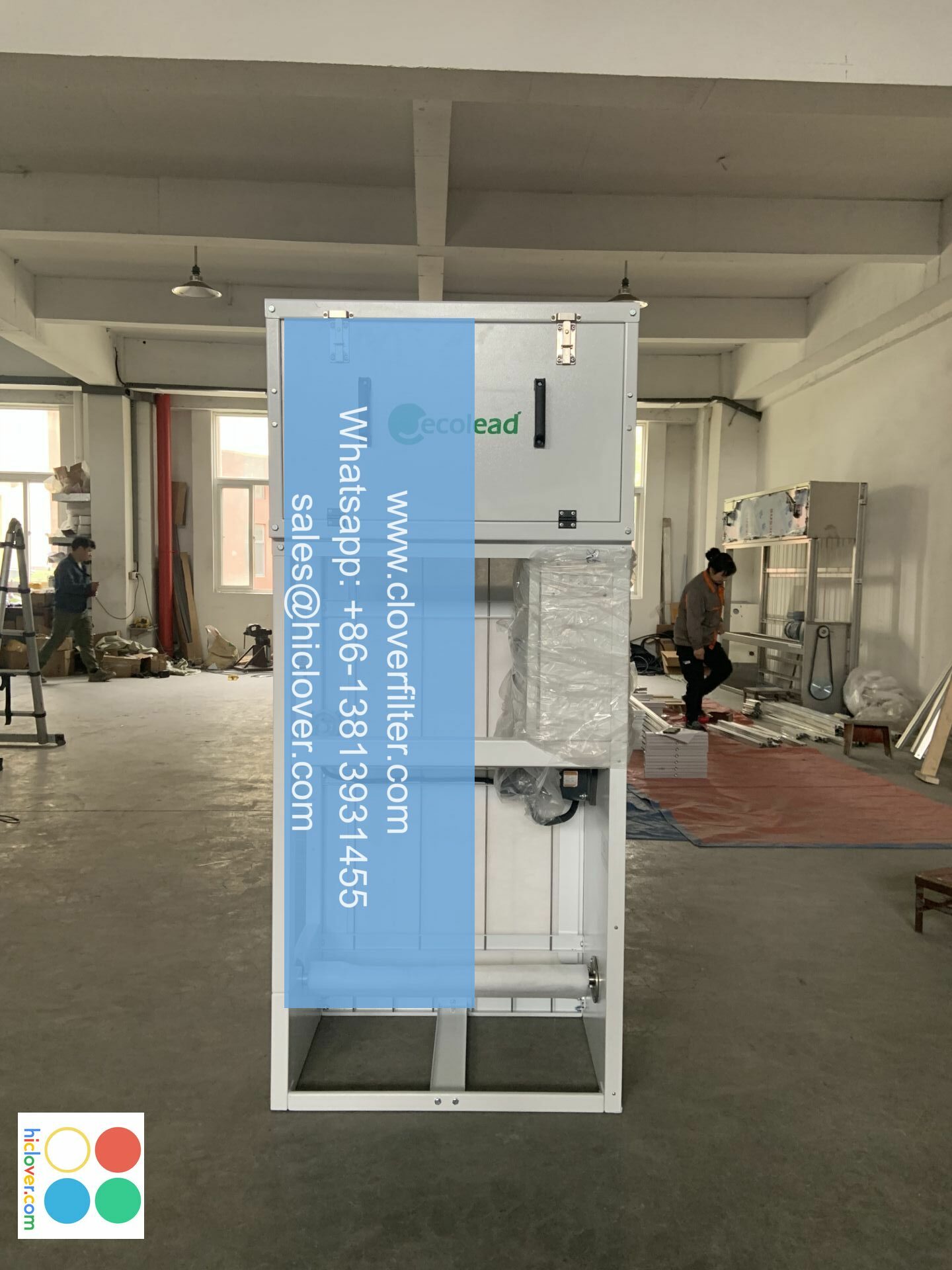
In today’s world, ensuring high indoor air quality is essential for both residential and commercial environments. One critical component of your HVAC system is the air filter media, which plays a vital role in trapping pollutants, allergens, and dust particles. This article aims to provide you with a comprehensive guide on choosing the right air filter media for your system.
Understanding Air Filter Media

Air filter media can be made from various materials, each designed to perform specific functions. Key types include:
- Fiberglass Filters: Economical and basic options ideal for common residential applications.
- HEPA Filters: High-efficiency particulate air filters that capture up to 99.97% of particles, including allergens, making them perfect for homes with allergy sufferers.
- MERV Filters: Minimum Efficiency Reporting Value filters, rated from 1 to 16, indicating their dust-holding capacity and efficiency. Higher ratings are more suitable for industrial applications.
- Electrostatic Filters: Filters that use static electricity to trap particles, effective for trapping finer dust and pet dander.
Factors to Consider When Choosing Air Filter Media
When selecting air filter media, several factors should influence your decision:
- Air Quality Needs: Consider your environment. If you have pets or someone in the household suffers from allergies, opt for a higher-efficiency filter.
- HVAC System Compatibility: Ensure the filter fits properly within your HVAC unit. Filters come in various sizes and configurations; a poor fit can reduce efficiency.
- Filter Longevity: Evaluate how often you want to replace the filter. Some filters have longer lifespans than others, which can save money over time.
- Energy Efficiency: Filters with higher MERV ratings can restrict airflow, increasing energy consumption. Balance efficiency with your HVAC system’s specifications.
Application Areas for Air Filter Media
Different environments may require specific types of air filter media:
Residential Applications
For homes, a balance is needed between efficiency and cost. Fiberglass and pleated filters with MERV ratings between 8 and 12 typically suffice while keeping energy costs manageable.
Commercial Settings
Commercial buildings often need to maintain strict air quality standards due to high occupancy and various pollutants. HEPA filters or MERV-rated filters above 13 are often necessary in such environments.
Industrial Applications
In manufacturing and production settings, specialized filters are often used to capture smoke, dust, and chemical pollutants. MERV ratings above 14 are ideal, and some industries may even require custom filtration solutions.
Healthcare Facilities
For hospitals and clinics, maintaining sterile environments is paramount. HEPA and ultra-low penetration air (ULPA) filters are commonly utilized to ensure the highest air quality.
Tips for Optimal Air Quality
To maintain excellent indoor air quality, consider these practical tips:
- Regularly check and replace filters as needed to avoid clogging.
- Invest in a programmable HVAC system to keep air quality consistent.
- Combine air filters with air purifiers for added protection against airborne pollutants.
Conclusion
Selecting the right air filter media is critical to the effectiveness of your HVAC system. By understanding your air quality requirements, the specifications of your HVAC setup, and the different types of filter media available, you can make an informed decision. Prioritize air quality today for a healthier tomorrow!
Sure! What kind of prompt are you looking for? It could be for writing, brainstorming, a creative project, or something else. Let me know how I can assist you!
