Air Filter 101: What, Why, and How to Replace It
What is an Air Filter?
An air filter is a device designed to remove impurities and contaminants from the air. These filters are essential in various applications, including:
- Residential HVAC systems
- Automotive engines
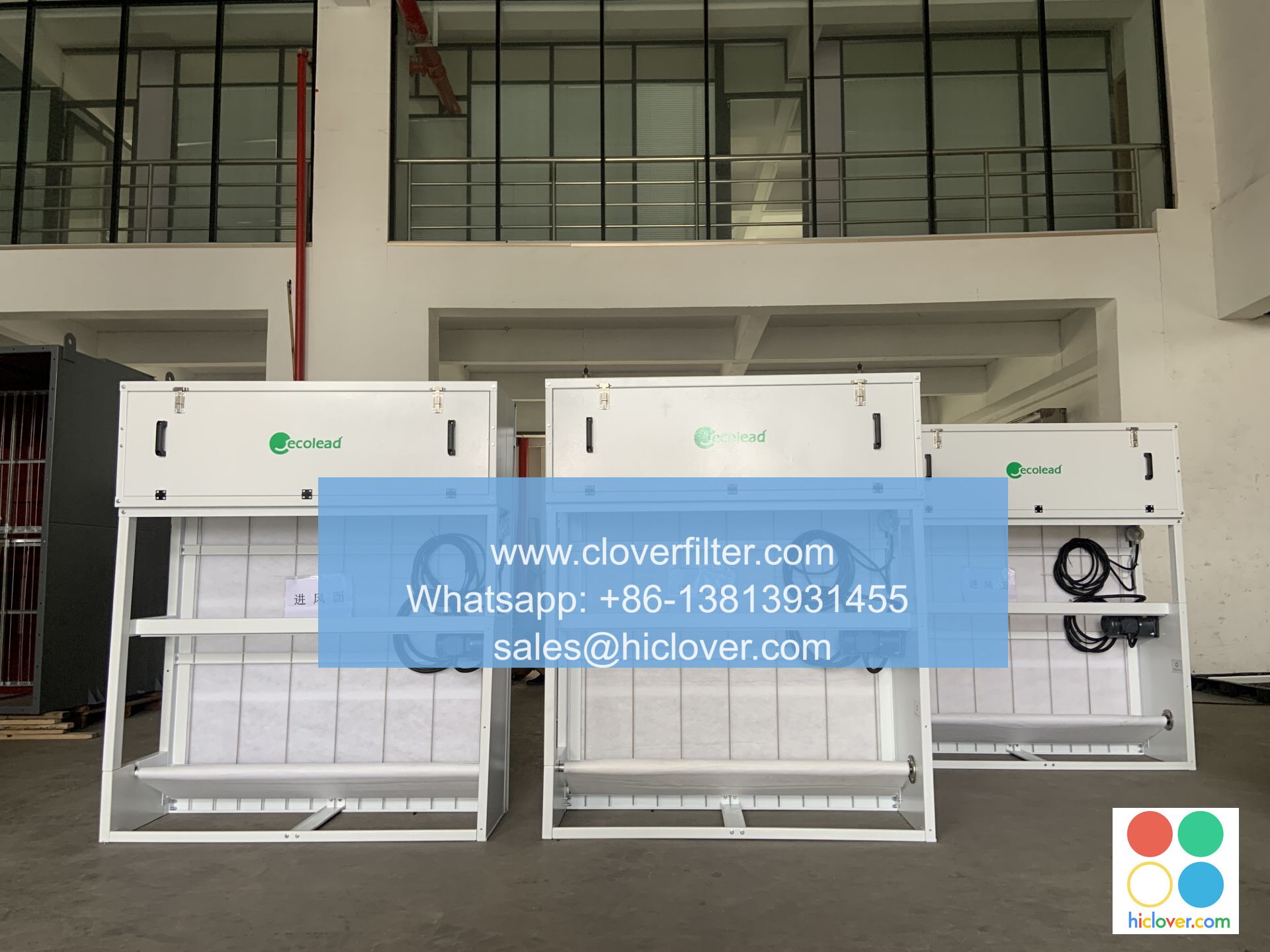
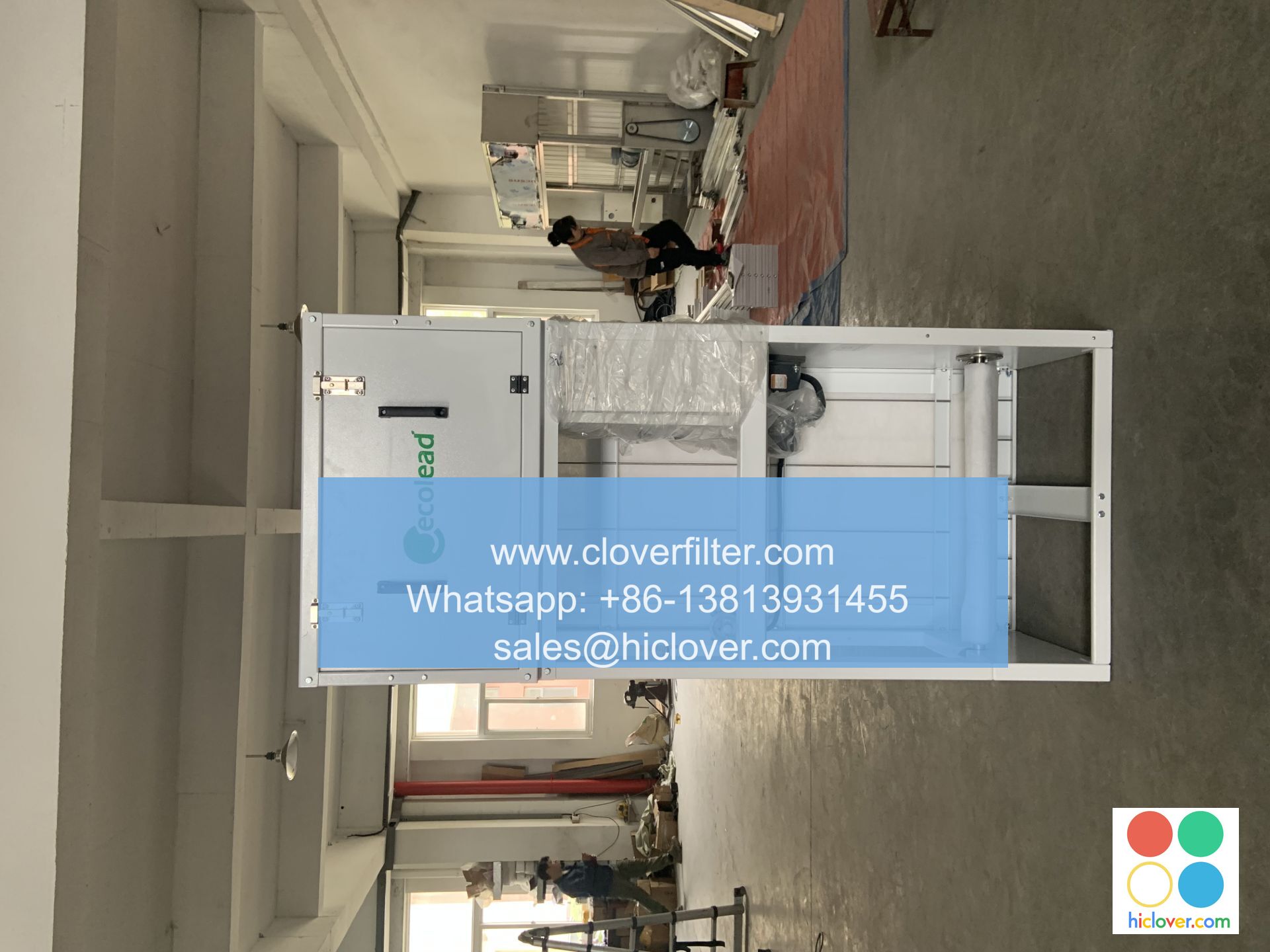
- Industrial processes
- Aquariums and ventilation systems
Why is an Air Filter Important?
Air filters play a crucial role in maintaining the quality of the air we breathe. Here are some reasons why they are important:

- Health Benefits: Clean air reduces the risk of respiratory illnesses and allergies.
- Energy Efficiency: A clean air filter allows for better airflow, reducing energy costs in HVAC systems.
- Engine Longevity: In automotive applications, a clean air filter enhances engine performance and longevity.
- Environmental Impact: Efficient air filtration contributes to a cleaner environment by reducing airborne pollutants.
How to Replace Your Air Filter
Replacing your air filter is a straightforward process that can have significant benefits. Here’s a step-by-step guide for various applications:
1. Residential Air Filters
- Locate the Filter: Find the air filter in your HVAC system, usually near the air handler or return air duct.
- Remove the Filter: Carefully pull the old filter out, noting the direction of airflow indicated on the frame.
- Choose the Right Replacement: Purchase a filter that matches the size and type of the old one, considering MERV ratings for efficiency.
- Insert the New Filter: Place the new filter in the same orientation as the old one and ensure it fits snugly.
- Check Regularly: Inspect and replace your air filter every 1-3 months for optimal performance.
2. Automotive Air Filters
- Open the Hood: Ensure the engine is cool and locate the engine air filter housing.
- Remove the Housing Cover: Unscrew or unclip the cover to access the filter.
- Replace the Filter: Take out the old filter and insert the new one, ensuring a secure fit.
- Reassemble: Put the housing cover back and double-check the connection.
- Schedule Regular Checks: Change your air filter as recommended, typically every 12,000 to 15,000 miles.
3. Industrial Air Filters
- Identify the Filter Type: Know whether you’re dealing with HEPA, pre-filters, or other specialized filters.
- Follow Manufacturer Guidelines: Use the replacement schedule and procedures provided in the equipment manual.
- Use Proper Safety Gear: Depending on the application, protective gear may be required during filter changes.
- Track Performance: Regularly monitor air quality and filter efficiency to determine the best replacement intervals.
Conclusion
Regular air filter replacement is a simple yet effective way to enhance your health, energy efficiency, and equipment longevity. Understanding the what, why, and how of air filters can help you make informed decisions for your home, vehicle, or industrial setting. Set reminders, follow manufacturer guidelines, and ensure that clean air is a priority in your environment.
It seems like you have a prompt in mind but haven’t specified it. Could you please provide more details or clarify what you’re looking for? Whether it’s a writing prompt, a specific topic, or something else, I’d be happy to help!
