The Ultimate Air Filter Glossary: Decode the Jargon
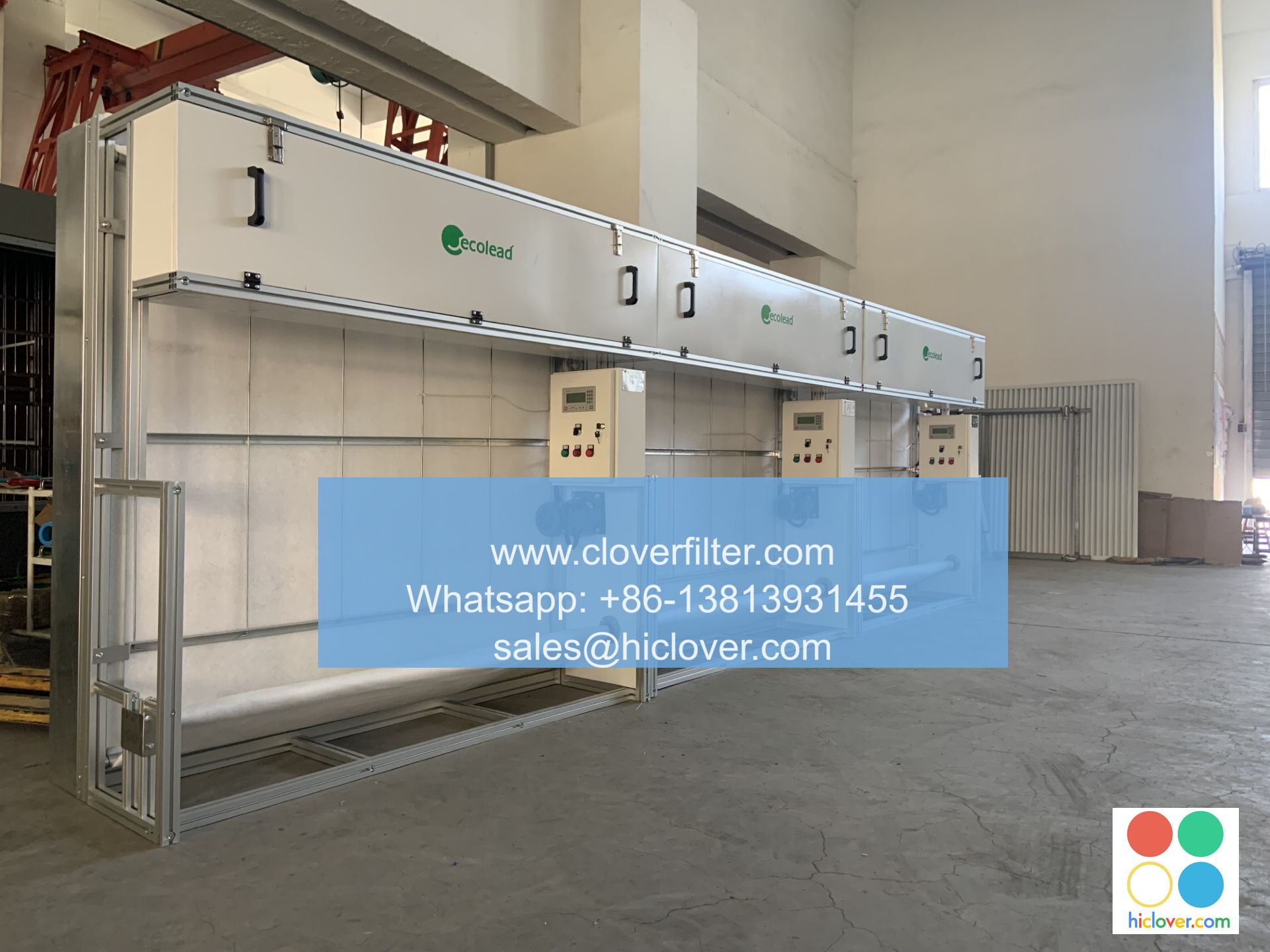
Air filters play a critical role in maintaining indoor air quality across various application areas—residential spaces, commercial buildings, and industrial facilities. With a myriad of technical terms, understanding air filter jargon can be daunting. Below is a comprehensive glossary designed to help decode this jargon.
Key Terms in Air Filtration

1. HEPA (High-Efficiency Particulate Air)
HEPA filters are renowned for their ability to capture at least 99.97% of particles that are 0.3 microns in diameter. These filters are commonly used in air purifiers, HVAC systems, and even industrial applications due to their efficiency in trapping pollutants and allergens.
2. MERV (Minimum Efficiency Reporting Value)
MERV ratings range from 1 to 20 and indicate a filter’s ability to capture airborne particles. The higher the MERV rating, the finer the particles it can trap. This rating is crucial for commercial buildings that require specific air quality standards.
3. Activated Carbon Filter
Activated carbon filters contain porous carbon that absorbs odors, gases, and volatile organic compounds (VOCs). They are especially useful in kitchens and areas prone to high levels of pollution or smoke.

4. Pre-Filter
A pre-filter is an initial layer that captures larger particles, prolonging the life of secondary filters like HEPA filters. They are often found in air conditioning systems and air purifiers.
5. Ultraviolet (UV) Filter
UV filters use ultraviolet light to kill bacteria and viruses, providing an extra layer of protection in applications such as hospitals and laboratories. They are essential for maintaining sanitary environments.
Types of Air Filters
1. Electrostatic Filters
These filters use electrostatic charges to attract particles, making them more efficient at capturing dust and allergens compared to traditional filters.
2. Fiberglass Filters
More economical than HEPA filters, fiberglass filters capture larger particles but are less effective against smaller pollutants. They are commonly used in residential HVAC systems.
3. Foam Filters
Typically used in smaller appliances, foam filters are washable and reusable, making them a cost-effective choice for home air purifiers.
Applications of Air Filters
1. Residential
In residential applications, air filters are designed to improve indoor air quality by reducing allergens, dust, and pollutants.
2. Commercial
Hotels, offices, and restaurants rely on high-quality air filtration to maintain a comfortable atmosphere while ensuring the health and safety of occupants.
3. Industrial
Air filtration systems in manufacturing facilities are critical for capturing harmful particles and maintaining compliance with environmental regulations.
4. Automotive
Vehicles are equipped with cabin air filters that help keep the air inside clean and free from allergens and other pollutants.
Conclusion
Understanding the terminology associated with air filters is essential for selecting the right filtration solution for any application area. From residential spaces to industrial facilities, becoming familiar with words and concepts like HEPA, MERV, and activated carbon filters empowers consumers and professionals alike to make informed decisions on air quality management.
It seems like your message got cut off. Could you please provide more context or details about what you’re looking for? Are you asking for a writing prompt, assistance with a specific topic, or something else?
