Air Filter Platforms for Residential and Commercial Applications: Improving Indoor Air Quality
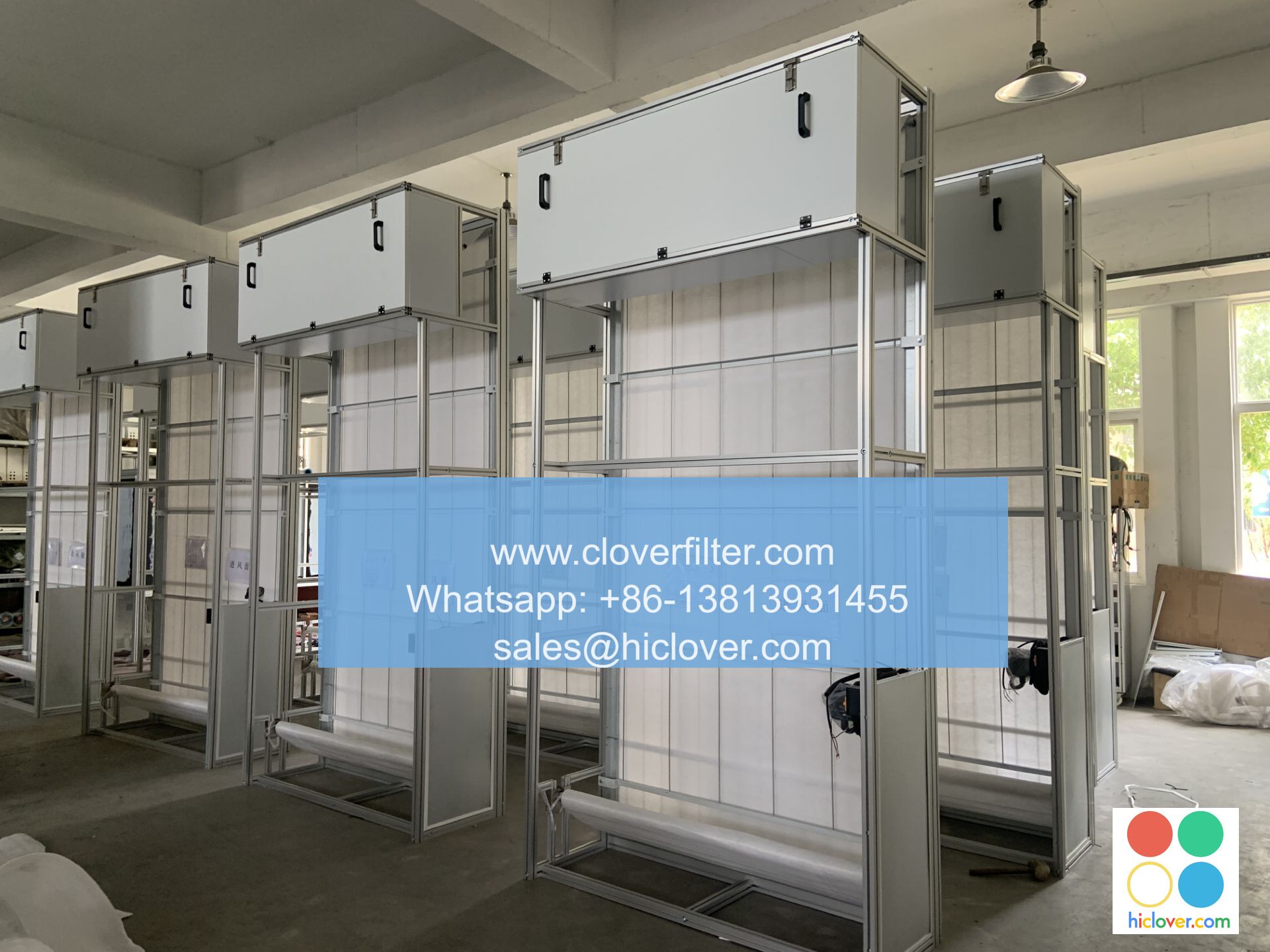
Improving Indoor Air Quality
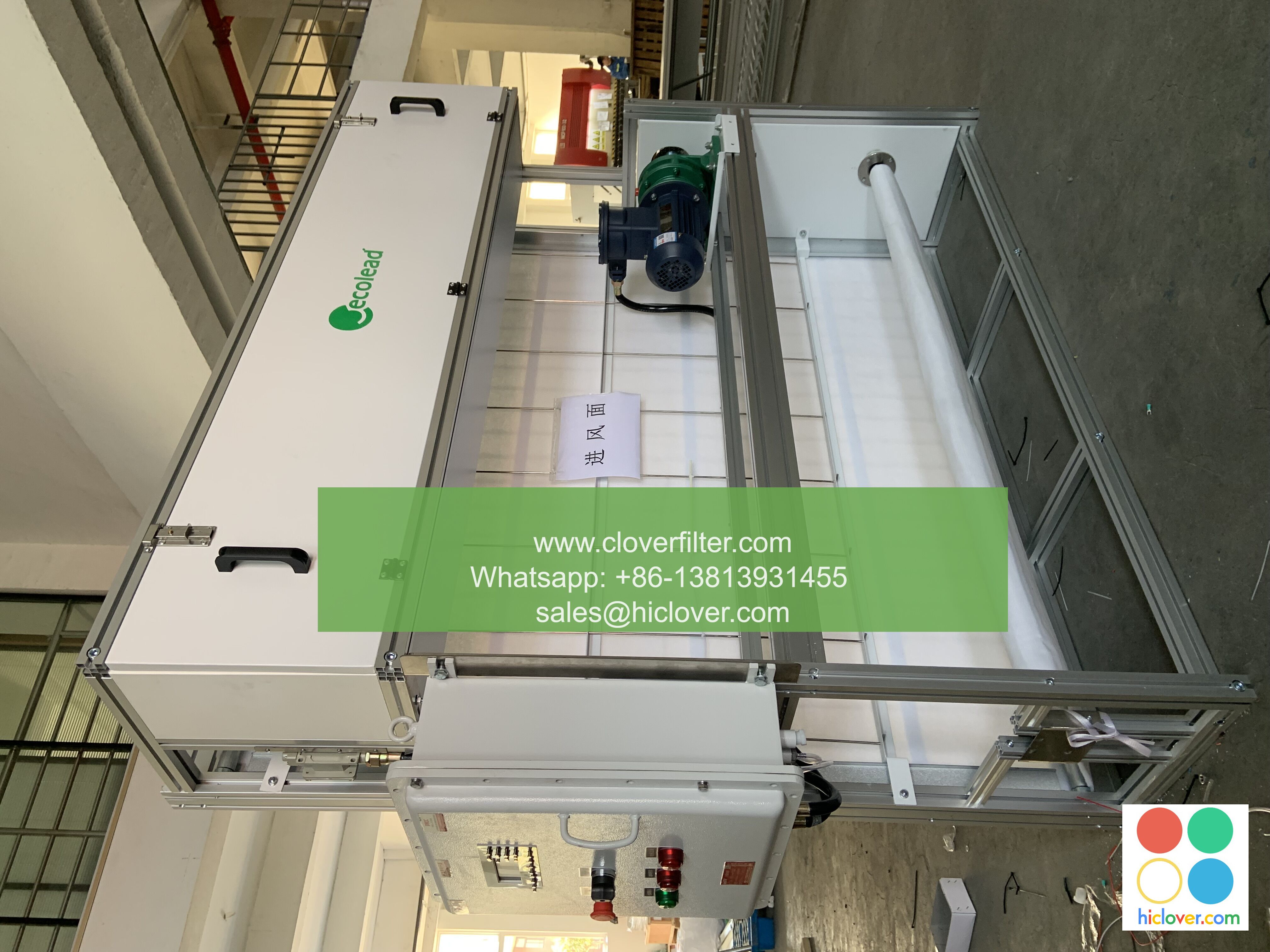
Understanding the Importance of Indoor Air Quality
Indoor air quality (IAQ) is crucial for maintaining health and comfort in both residential and commercial spaces. Pollutants such as dust, allergens, mold, and volatile organic compounds (VOCs) can severely impact the air we breathe. With the rise in awareness about the importance of air quality, air filter platforms have emerged as vital tools for enhancing IAQ.
What are Air Filter Platforms?
Air filter platforms are systems designed to remove particulates and contaminants from the air within a space. They can range from simple standalone units to integrated systems that work in conjunction with a building’s HVAC (Heating, Ventilation, and Air Conditioning) system. These platforms are equipped with various filter types, including HEPA filters, activated carbon filters, and electrostatic filters, each serving specific functions in purifying the air.

Applications in Residential Spaces
In residential applications, air filter platforms play a crucial role in maintaining a healthy living environment. Common uses include:
- Allergen Reduction: Air filters can significantly lower the presence of dust mites, pollen, pet dander, and other allergens, which is especially beneficial for individuals with allergies or asthma.
- Mold and Mildew Prevention: By controlling humidity levels and filtering airborne spores, air filter platforms help reduce the risk of mold and mildew growth.
- Odor Control: Activated carbon filters are effective in neutralizing odors from cooking, pets, and smoke, contributing to a fresher indoor atmosphere.
Commercial Applications and Benefits
In commercial settings, maintaining high indoor air quality is vital for both operational efficiency and employee well-being. Key applications include:
- Office Spaces: Proper air filtration can reduce airborne pathogens, improving employee health and productivity.
- Hospitals: In medical facilities, air filter platforms are essential for infection control, preventing the spread of airborne diseases.
- Schools: Enhancing IAQ in educational institutions can lead to improved concentration and learning outcomes for students.
Choosing the Right Air Filter Platform
Selecting the appropriate air filter platform involves considering factors such as:
- Space Size: Assessing the area to be covered will determine the necessary airflow capacity of the system.
- Filter Type: Understanding the specific air quality concerns will guide the selection of the right filter types.
- Maintenance Requirements: Evaluating the maintenance needs, including filter replacement frequency, is crucial for long-term efficiency.
The Future of Air Filter Platforms
As technology advances, air filter platforms are becoming more sophisticated with the integration of smart features, such as air quality sensors and automated filter updates. These innovations aim to provide more effective and user-friendly approaches to improving indoor air quality.
It seems like you’ve entered the word “Prompt.” Could you please provide more context or specify what you would like assistance with? Whether it’s a writing prompt, a question, or something else, I’m here to help!
