A Comprehensive Guide to Automatic Roll Intake Filters for Shipyard Substations
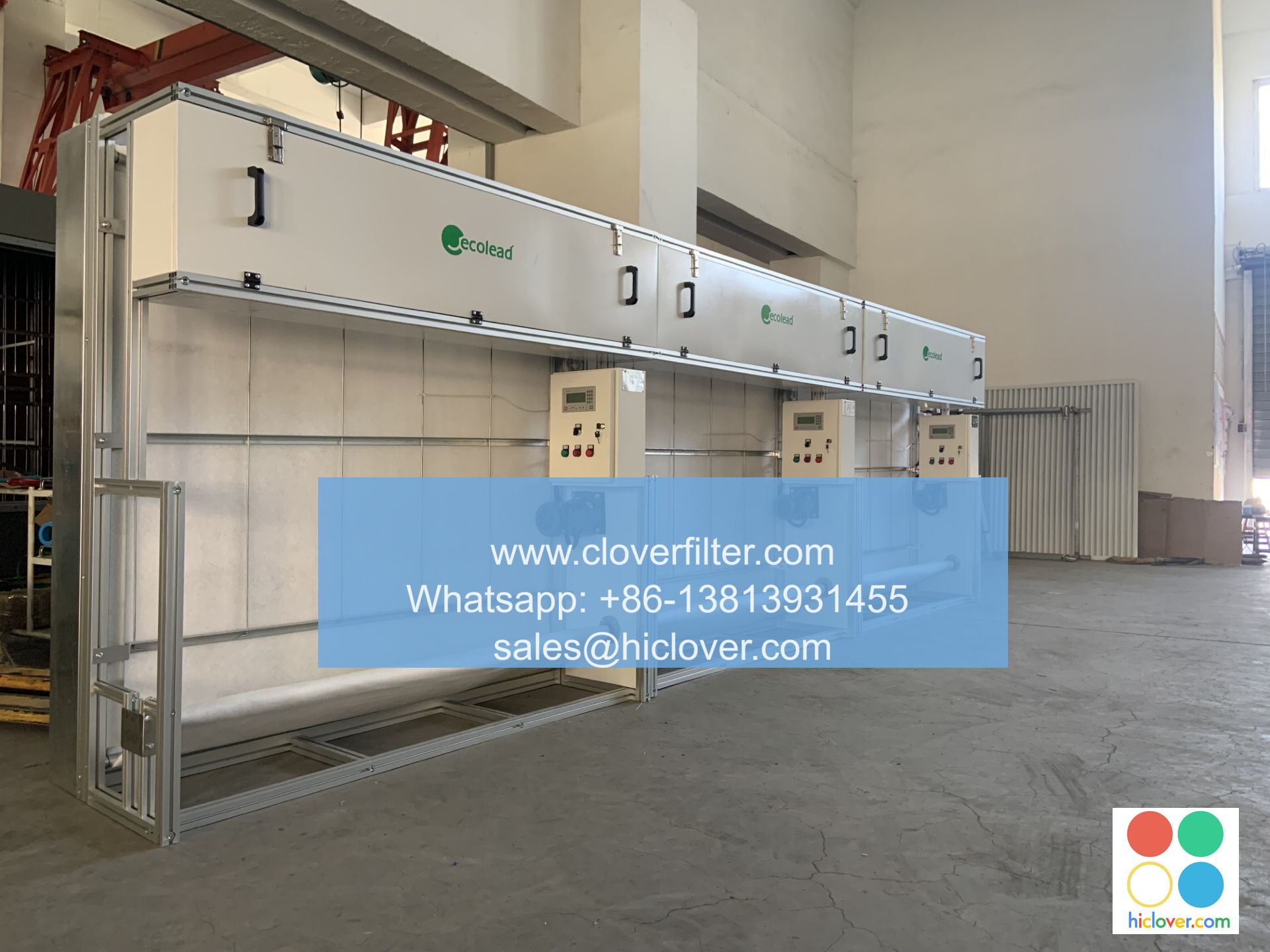
Automatic Roll Intake Filters (ARIFs) play a crucial role in maintaining the operational efficiency and safety of shipyard substations. These advanced filtration systems help protect electrical equipment by removing contaminants from the water. This guide provides an in-depth look at ARIFs, including their applications, benefits, and installation considerations.
Understanding Automatic Roll Intake Filters

What are Automatic Roll Intake Filters?
Automatic Roll Intake Filters are specialized systems designed to filter out debris and particulate matter from water intakes in marine environments. These innovative filters operate autonomously, with a rolling mechanism that enables continuous operation while minimizing downtime for maintenance.
How Do They Work?
The ARIF system typically includes a filter medium that captures contaminants as water flows through it. An automatic cleaning mechanism rolls the filter medium to dislodge accumulated debris, which is then expelled, allowing for uninterrupted water flow to the substation.
Applications of Automatic Roll Intake Filters in Shipyard Substations
1. Protecting Cooling Systems

One of the primary applications of ARIFs is in protecting the cooling systems of substations. These systems often rely on a continuous supply of water for cooling transformers and other equipment. By keeping the water clean and free from debris, ARIFs ensure that cooling systems operate efficiently, preventing overheating and potential damage.
2. Enhancing Water Quality
In shipyard operations, ensuring water quality is paramount. ARIFs contribute to maintaining appropriate water conditions by filtering out harmful sediments and microorganisms. This not only protects the equipment but also meets environmental regulatory standards.
3. Supporting Emergency Systems
ARIFs are also essential components of emergency systems within shipyard substations. In situations where water quality may be compromised, ARIFs can ensure a consistent supply of clean water to critical emergency systems, such as firefighting pumps.
Benefits of Using Automatic Roll Intake Filters
Reduced Maintenance Costs
The automatic cleaning feature of ARIFs significantly reduces the need for manual intervention, leading to lower maintenance costs. Operators can focus on other essential tasks, knowing that their filter system will function efficiently.
Enhanced Equipment Longevity
By providing a constant stream of clean water, ARIFs help prolong the lifespan of substation equipment. Contaminants can cause corrosion and wear, but with an effective filtration system in place, the risk of damage is mitigated.
Increased Operational Efficiency
The automatic operation of roll intake filters means less downtime and fewer interruptions in the cooling process. This enhances the overall operational efficiency of shipyard substations.
Installation Considerations
1. Site Assessment
Before installation, a thorough site assessment is crucial. Understanding the specific water conditions and the volume of intake will help determine the appropriate size and type of ARIF.
2. Integration with Existing Systems
ARIFs must be compatible with existing water intake and filtration systems at the shipyard. Collaboration with equipment suppliers ensures seamless integration.
3. Compliance with Regulations
It’s essential to adhere to environmental regulations and standards when implementing ARIFs. Ensure that the selected systems meet local guidelines regarding water filtration and disposal of waste materials.
Conclusion
Automatic Roll Intake Filters represent a vital advance in the management of water quality for shipyard substations. By protecting equipment, ensuring operational efficiency, and supporting a cleaner environment, ARIFs are an indispensable component of modern marine operations. Investing in these advanced filtration systems will not only enhance the longevity and performance of shipyard substations but also contribute to sustainable maritime practices.
Key Takeaways:
- ARIFs are essential for water quality management in shipyard substations.
- They protect cooling systems and enhance the overall operational efficiency.
- Automatic cleaning mechanisms reduce maintenance costs and increase equipment lifespan.
- Proper installation and integration with existing systems are crucial for optimal performance.
By understanding and implementing Automatic Roll Intake Filters, shipyards can ensure efficient, safe, and sustainable operations in the face of ever-increasing environmental challenges.
It looks like you entered “Prompt,” but didn’t specify what you need help with. Could you provide more context or detail about what you’re looking for? Whether it’s writing, brainstorming ideas, or something else, I’m here to assist!
