Indoor Air Quality 101: A Beginner’s Guide

What is Indoor Air Quality (IAQ)?
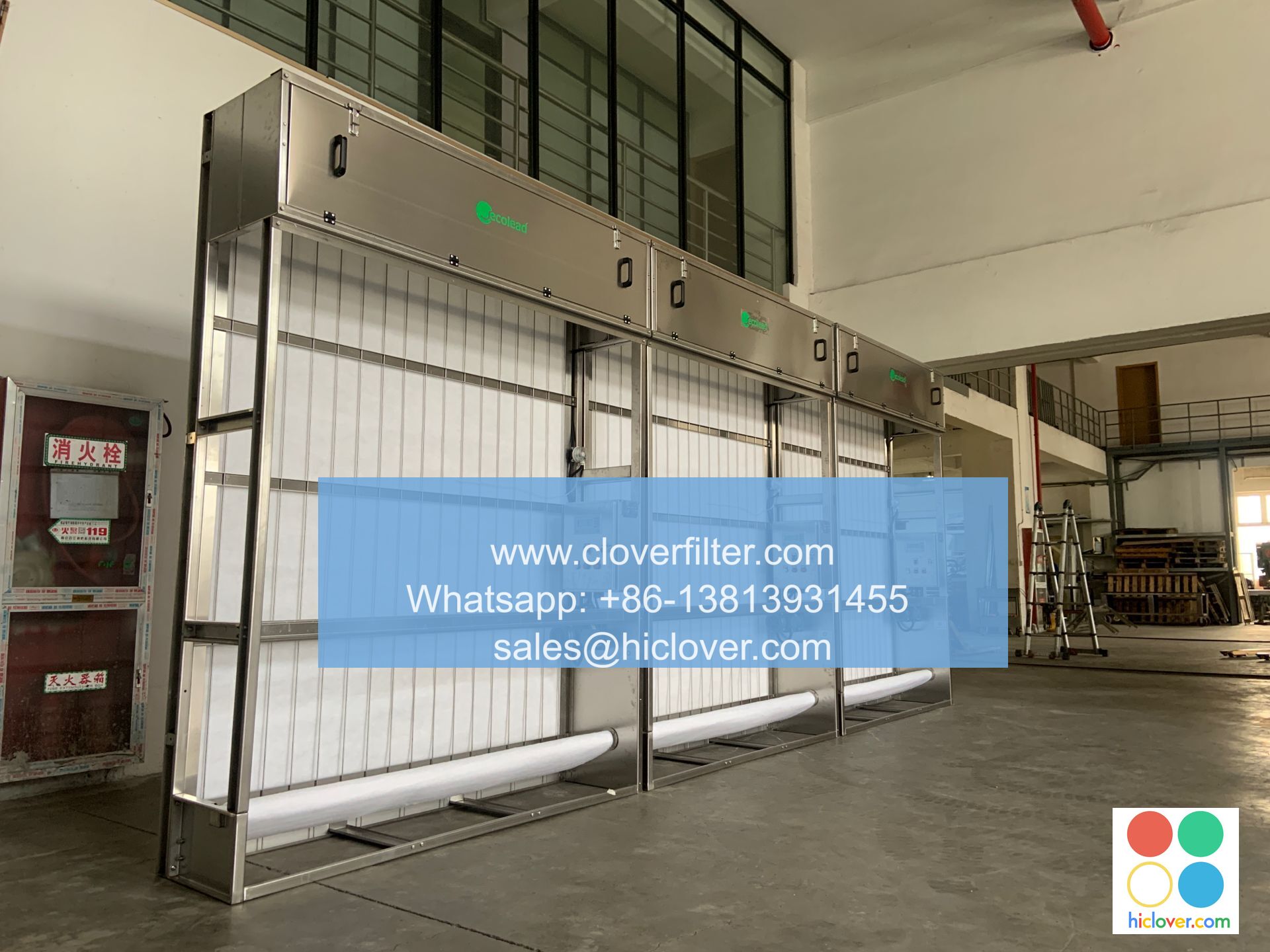
Indoor Air Quality (IAQ) refers to the condition of the air within buildings, including homes, schools, and workplaces. It is crucial for occupant health, comfort, and well-being. Poor IAQ can lead to various health issues, making understanding it essential for everyone.
Why is Indoor Air Quality Important?
Maintaining good IAQ is vital for several reasons:
- Health: Pollutants can cause respiratory issues, allergies, and other health problems.
- Comfort: Good air quality can enhance comfort, leading to better productivity and well-being.
- Building Integrity: Poor IAQ can contribute to structural damage through mold and moisture buildup.
- Volatile Organic Compounds (VOCs): Emitted from paints, cleaning supplies, and furnishings.
- Particulate Matter (PM): Dust, dirt, pollen, and smoke particles that can be inhaled.
- Carbon Dioxide (CO2): Accumulates in poorly ventilated rooms, leading to fatigue and discomfort.
- Mold and Mildew: Fungi that thrive in damp conditions, potentially leading to allergies and asthma.
- Short-term Effects: Eye irritation, headaches, dizziness, and fatigue.
- Long-term Effects: Chronic respiratory diseases, heart disease, and exacerbation of existing health conditions.
- Ventilation: Regularly open windows and doors to allow fresh air circulation.
- Air Purifiers: Use HEPA filters and air purifiers to trap pollutants.
- Reduce Humidity: Keep humidity levels below 50% to prevent mold growth.
- Use Non-Toxic Products: Opt for low-VOC paints and cleaning products.
- Residential: Homes should prioritize clean air to create a healthy living environment for families.
- Commercial: Offices and retail spaces benefit from improved air quality to enhance worker productivity and customer satisfaction.
- Educational: Schools need to ensure a healthy environment for students to support their concentration and learning abilities.
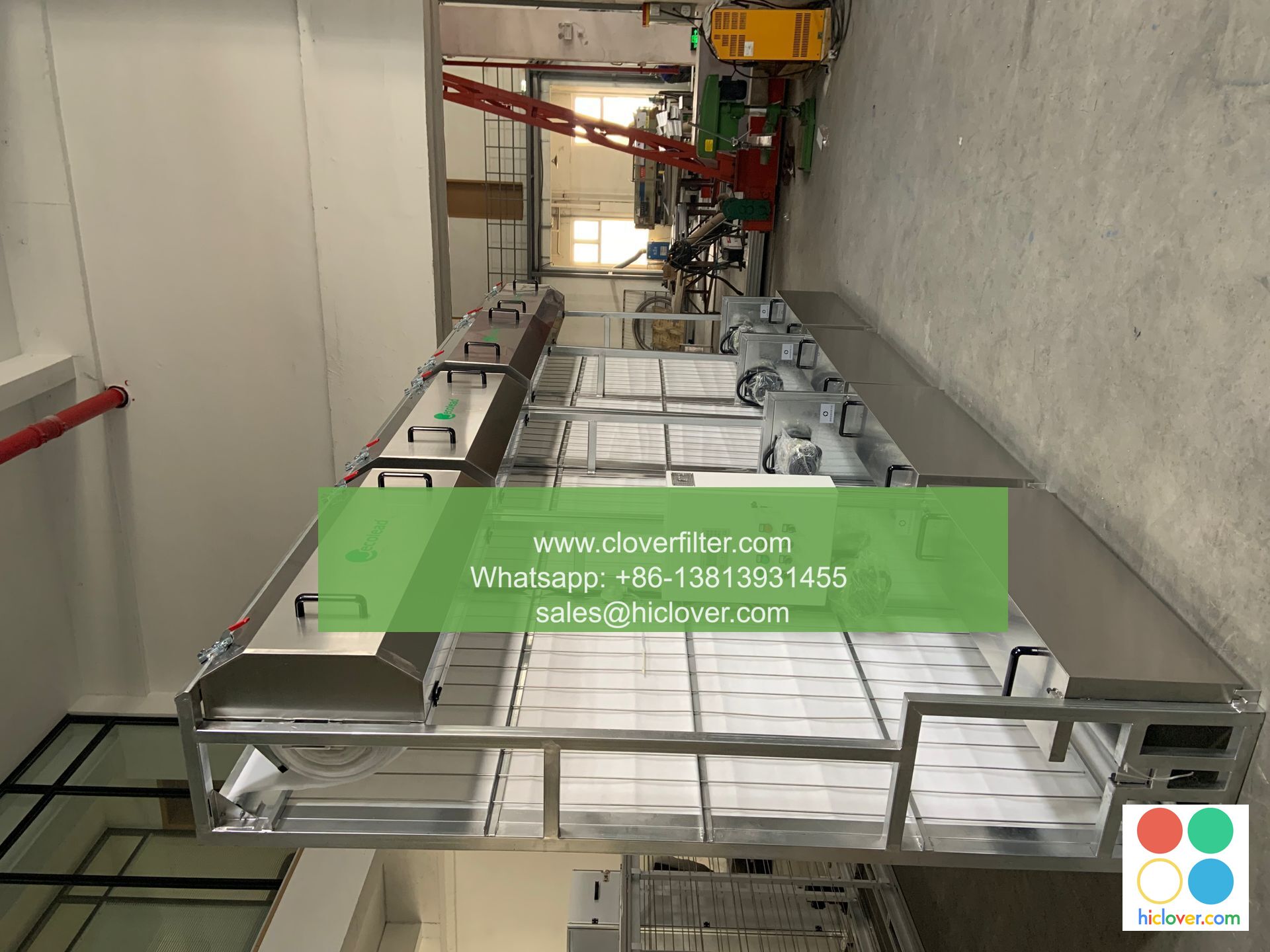
Common Indoor Air Pollutants
Various pollutants can compromise IAQ. Here are some of the most common:
Effects of Poor Indoor Air Quality
The consequences of poor IAQ can be severe:
Tips to Improve Indoor Air Quality
There are several practical steps you can take to improve IAQ in your home or workplace:
Application Areas for Improving Indoor Air Quality
Good IAQ is crucial in various application areas:
It seems you’ve just entered “Prompt.” Could you please provide a bit more detail or specify what type of prompt you’re looking for? Whether it’s for writing, brainstorming ideas, or another purpose, I’d be happy to help!
