Maximizing Oil and Gas Plant Community Benefits with Automatic Roll Air Filters
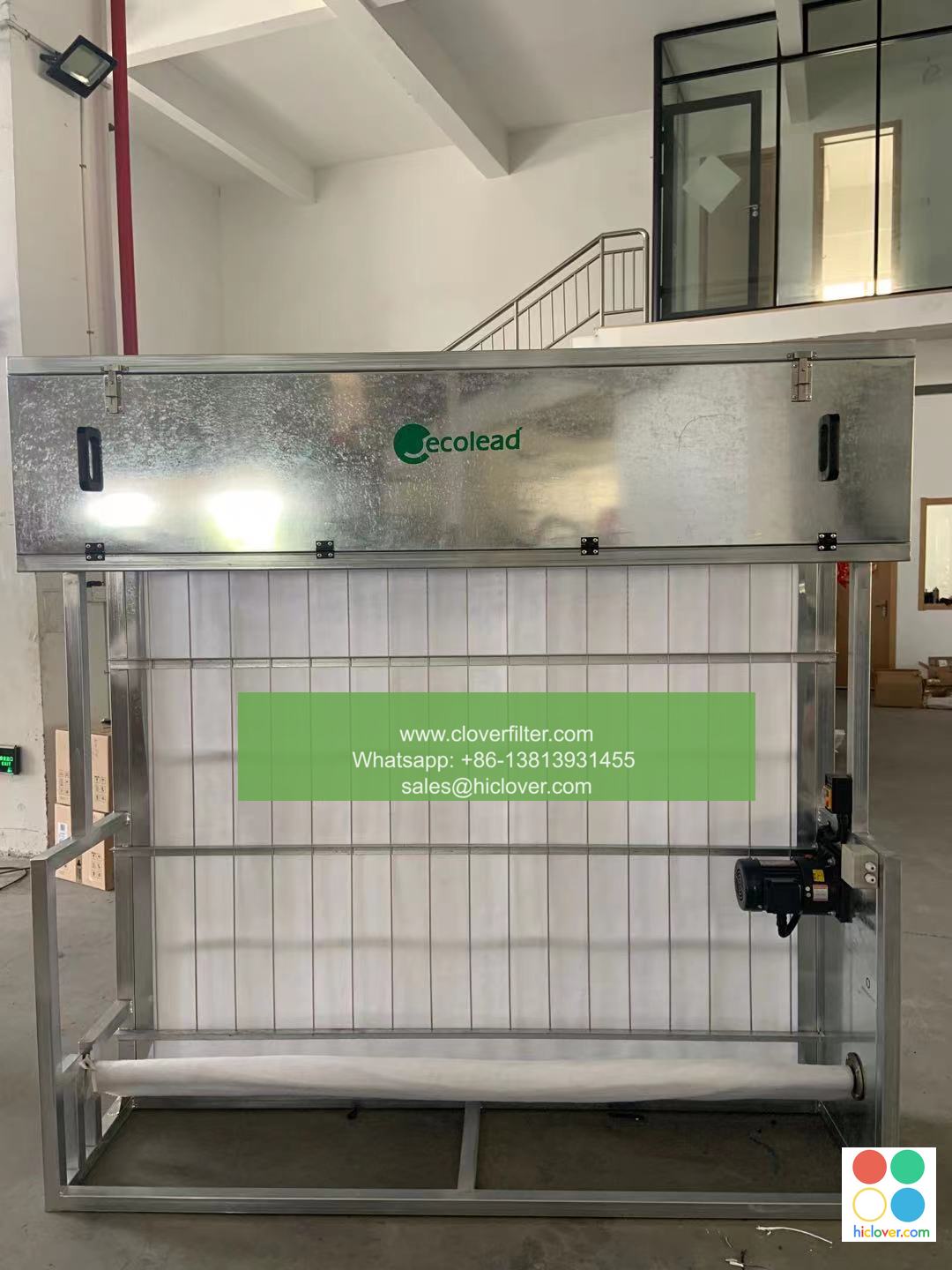
The oil and gas industry is essential for global energy supply, but it often comes with environmental impacts that can affect local communities. Therefore, improving air quality and reducing potential pollutants at oil and gas plants is crucial. One innovative solution to enhance air quality and offer significant community benefits is the implementation of automatic roll air filters.
Understanding Automatic Roll Air Filters

Automatic roll air filters are advanced filtration systems designed to trap airborne particles, including dust, pollutants, and other contaminants. These filters consist of a roll of filter media that automatically advances to provide a continuous supply of clean air. Functioning as a key component of an air filtration system, they ensure that the air released back into the environment is cleaner and healthier for both the community and the environment.
Benefits of Implementing Automatic Roll Air Filters
By integrating automatic roll air filters into oil and gas plants, several benefits can be enjoyed by local communities:
- Enhanced Air Quality: These filters effectively remove particulate matter, reducing the risk of respiratory problems among community members.
- Reduced Environmental Impact: Cleaner emissions contribute to lower pollution levels, which can aid in maintaining the local ecosystem.
- Compliance with Regulations: Implementing sophisticated filtration systems can help facilities meet environmental standards and regulations, mitigating legal risks.
- Community Trust: Transparency in operational practices, especially concerning air quality, fosters better relationships between companies and local residents.
- Cost-Efficiency: While there is an initial investment, automatic roll air filters can require less maintenance and result in long-term savings by lowering health-related costs incurred by the community.
How Automatic Roll Air Filters Work
These filters work on a simple principle—by constantly advancing a clean section of filter media into the airflow pathway, they ensure that only the cleanest air is distributed. The automatic nature of the filtrations system reduces downtime and maintenance requirements, making them ideal for oil and gas plants that require reliability and efficiency in their operations. Moreover, sensors can be integrated to monitor air quality continuously and trigger filter changes as necessary.
Community Engagement and Education
Integrating technology like automatic roll air filters not only serves to improve air quality but also opens avenues for community engagement. Oil and gas companies can host informational sessions to educate local populations about the importance of air quality and the role these filters play. By informing the community about the technological advancements that directly benefit them, companies can enhance their reputation and foster a culture of collaboration.
Conclusion
In conclusion, the incorporation of automatic roll air filters in oil and gas plants represents a significant step towards mitigating environmental impacts and maximizing community benefits. By enhancing air quality, complying with regulations, and fostering community trust, these systems can transform how the industry interacts with local populations. As the world moves towards a more sustainable future, technologies like these will be pivotal in ensuring that both energy demands and community health are adequately addressed.
FAQs
What are automatic roll air filters?
Automatic roll air filters are advanced filtration systems that continuously provide clean air by automatically advancing a roll of filter media to trap airborne particles and contaminants.
How do these filters improve air quality?
They remove particulate matter and pollutants from the air, resulting in cleaner emissions released by oil and gas facilities.
Are there cost savings associated with using these filters?
Yes, while there is an initial investment, they can reduce maintenance costs and minimize health-related expenses in the community over time.
How can communities get involved?
Communities can participate through educational programs, meetings, and by providing feedback on the operations of nearby oil and gas facilities.
Do these filters help with regulatory compliance?
Absolutely! Implementing advanced filtration systems can help facilities meet environmental standards and reduce the risk of legal issues related to air quality.
