Education and Awareness on Air Filter Contacts: Best Practices
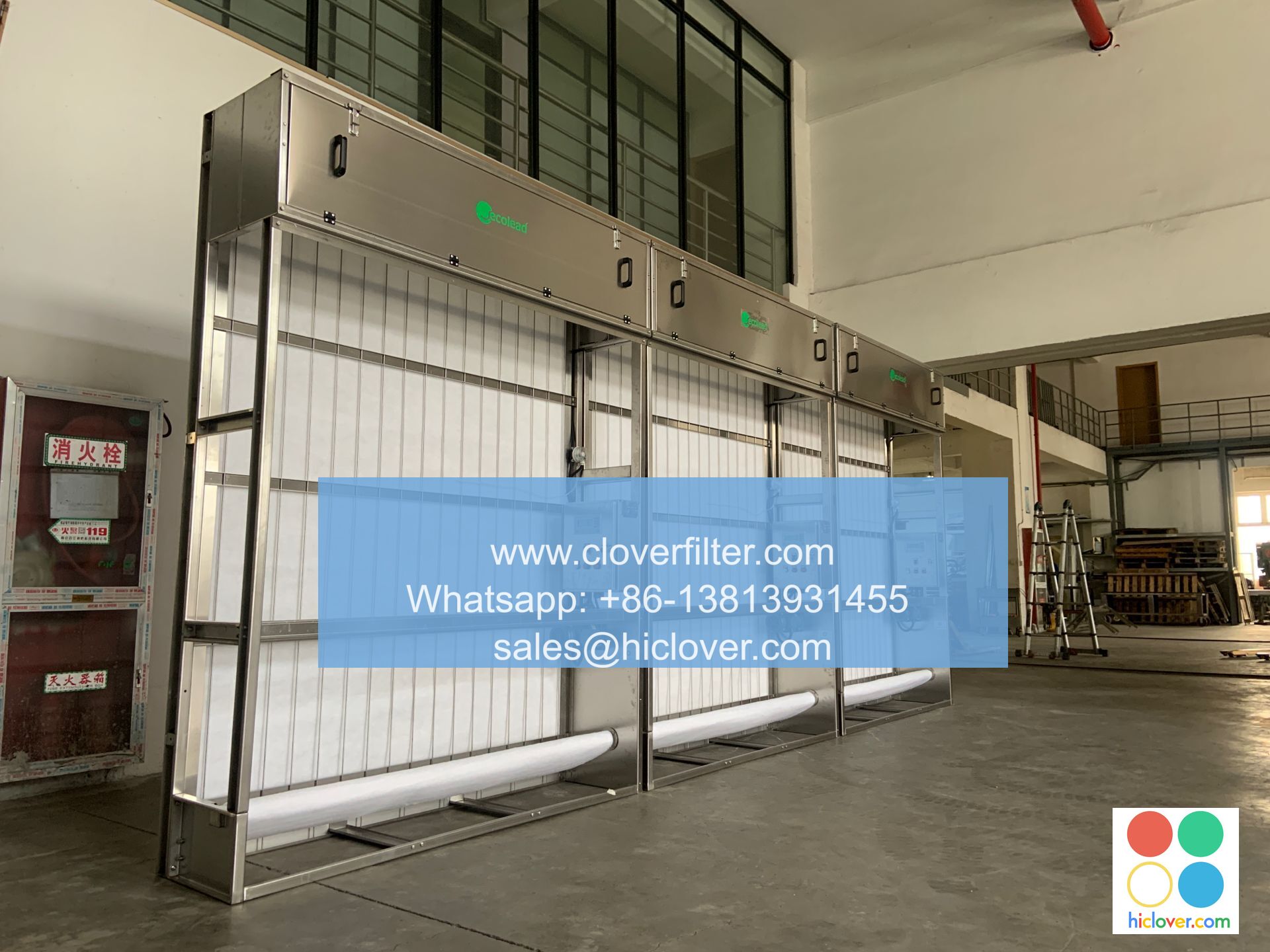
Air filters play a critical role in maintaining air quality within various environments, from residential homes to industrial settings. Understanding the importance of air filter contacts and the relevant best practices is essential for both individuals and organizations. This article aims to educate stakeholders on the superior management of air filters, driving awareness towards effective maintenance and usage.
Understanding Air Filter Contacts

Air filter contacts refer to the connection points where the filter is installed in various systems, such as HVAC systems, indoor air purifiers, and automotive applications. The integrity of these connections is paramount to ensure optimum efficiency, filtration performance, and the longevity of the air filtration systems.
The Importance of Education and Awareness
Education and awareness significantly enhance the effectiveness of air filter systems. Stakeholders—including homeowners, industrial managers, and HVAC technicians—must understand how air filter contacts affect overall system performance. An informed individual is more likely to adhere to best practices regarding air filter selection, installation, and maintenance.
Areas of Application
- Residential HVAC Systems: Proper air filter contacts ensure that residential heating and cooling systems function efficiently, improving air quality and reducing energy costs.
- Industrial Air Quality Management: In workplaces, effective air filter management can reduce pollutants, enhance employee productivity, and ensure compliance with health regulations.
- Automotive Filters: Understanding air filter contacts in vehicles ensures better engine performance and longevity, while also contributing to overall vehicle sustainability.
- Medical and Healthcare Facilities: Air filtration in hospitals is critical to preventing airborne infections. Awareness of filter contacts can lead to higher standards of air cleanliness.
Best Practices for Air Filter Contacts
1. Regular Monitoring and Maintenance
Regular checks of air filter contacts are necessary for optimal performance. Ensure that filters are cleaned or replaced according to manufacturer guidelines. Neglected contacts can lead to air leaks, compromising filtration effectiveness.
2. Selecting the Right Filter
Choosing an air filter suited for the specific application is crucial. Filters come in various types, such as HEPA, electrostatic, and carbon filters, each tailored for unique environments. Educating users on these options enhances the effectiveness of air filtration.
3. Proper Installation Techniques
Ensuring that air filters are installed correctly is imperative. Misalignment or improper sealing can create air bypass, undermining the effectiveness of the filtration system. Training programs should include installation techniques to maximize efficiency.
4. Awareness Campaigns
Conducting awareness campaigns can educate communities about the significance of air filter contacts and the impact of dirty or poorly maintained filters on health and the environment. Engaging workshops and seminars can spread vital information effectively.
Conclusion
Education and awareness about air filter contacts are essential in various applications, whether in households, workplaces, or healthcare settings. By adhering to best practices, improving communication, and fostering an understanding of air filtration systems, stakeholders can ensure cleaner air and better living conditions. Continuous learning and proactive engagement are key to managing air quality effectively.
It seems like you might want a prompt for a creative writing exercise, a discussion topic, or something else. Could you please provide a bit more detail on what kind of prompt you’re looking for?
