The Benefits of Air Filter Upgrades for Older Commercial HVAC Systems
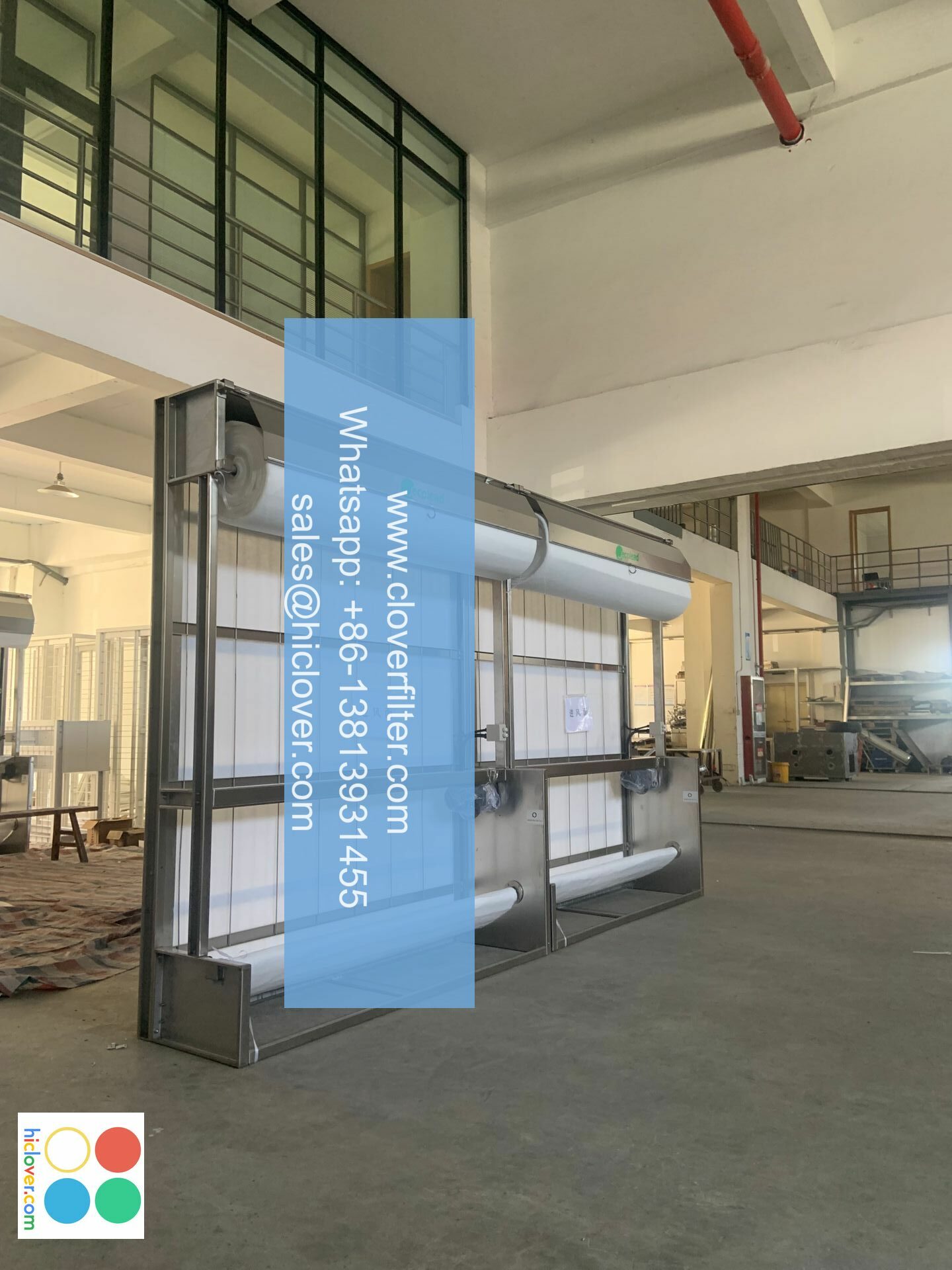
As commercial buildings age, their HVAC (Heating, Ventilation, and Air Conditioning) systems often begin to lose efficiency. One effective method to enhance the performance of older commercial HVAC systems is through air filter upgrades. This article outlines the various benefits of upgrading air filters and highlights application areas where these upgrades can make a significant impact.
Enhanced Air Quality

One of the primary advantages of installing advanced air filters in older commercial HVAC systems is the improvement in indoor air quality (IAQ). Newer filters are designed to capture smaller particles, allergens, and harmful pollutants more efficiently than standard filters. This is particularly crucial in facilities such as:
- Hospitals: Improved air quality reduces the spread of infections and enhances the overall health of patients.
- Schools: Clean air contributes to better concentration and performance among students and staff.
- Offices: Higher IAQ levels can lead to increased productivity and reduced absenteeism.
Energy Efficiency and Cost Savings
Upgrading air filters can also lead to significant energy savings. Older systems often struggle to circulate air efficiently when clogged with dust and debris. Newer, high-efficiency filters allow for better airflow, which helps the HVAC system operate optimally. This leads to:

- Lower energy bills due to reduced strain on the HVAC system.
- Extended lifespan of the equipment, minimizing the need for costly replacements.
- A smaller carbon footprint, contributing to sustainability initiatives.
Compliance with Regulations
Many industries are subject to strict regulations regarding indoor air quality. Upgrading air filters can help ensure compliance with local and federal standards, particularly in:
- Food and Beverage Industry: Maintaining air quality is critical to prevent contamination.
- Pharmaceuticals: Clean air is essential to meet production standards and protect product integrity.
- Manufacturing: Enhanced air filters can help maintain a safe working environment for employees.
Low Maintenance Requirements
Modern air filters often come with advanced technology that allows for longer replacement intervals. This means less frequent maintenance and reduced downtime. Application areas that particularly benefit include:
- Retail Spaces: Less maintenance translates to less disruption for customers and operations.
- Warehouses: Improved air circulation helps keep products in peak condition while reducing maintenance tasks.
Conclusion
Upgrading air filters in older commercial HVAC systems is a smart investment for building owners and facility managers. The enhanced air quality, increased energy efficiency, regulatory compliance, and low maintenance requirements make it a decision that pays off in the long run. By focusing on air filter upgrades, businesses can create a healthier, more productive environment while also improving their bottom line.
It seems like your message may have been cut off. Could you please provide more details or clarify what you need? Are you looking for writing prompts, ideas for a project, or something else? I’m here to help!
