How to Develop a Comprehensive Air Filter Program for Your Aerospace and Defense Facility
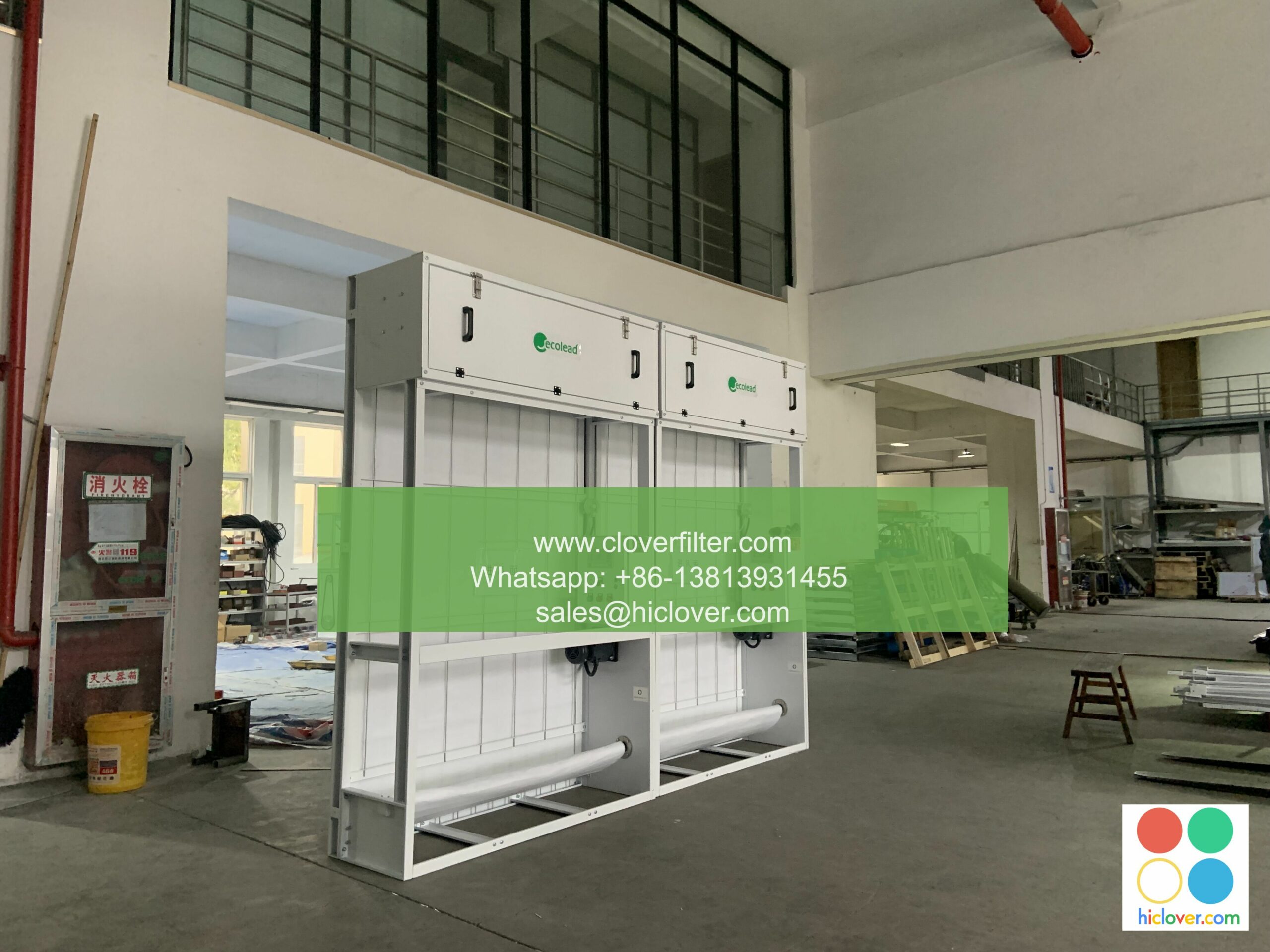
In the aerospace and defense industries, maintaining air quality is crucial for ensuring the safety, functionality, and reliability of equipment and personnel. A comprehensive air filter program can mitigate risks associated with airborne contaminants, enhance operational efficiency, and comply with stringent regulatory standards. This article outlines the steps to develop such a program effectively.
Understanding the Importance of Air Filters

Air filters play a vital role in protecting sensitive equipment and personnel from particulate matter, dust, and other airborne pollutants. In aerospace and defense facilities, the following applications benefit from robust air filtration:
- Clean Rooms – Essential for assembling aircraft and defense systems.
- Maintenance Hangars – Ensuring equipment longevity and safety.
- Personnel Areas – Protecting the health of the workforce.
Steps to Develop a Comprehensive Air Filter Program
1. Assess Current Air Quality Standards

Start by evaluating the existing air quality standards in your facility. Conduct air quality monitoring to identify contaminant levels and analyze whether they meet industry regulations. This assessment will help you determine the type and efficiency of air filters needed.
2. Select Appropriate Filtration Technology
Choose filters based on the specific needs of your applications. Options include:
- HEPA Filters: High-efficiency particulate air filters capture 99.97% of particles, making them suitable for clean rooms.
- Activated Carbon Filters: Excellent for removing odors and volatile organic compounds (VOCs).
- Electrostatic Filters: Used for their ability to capture fine particles and are reusable after cleaning.
3. Develop a Maintenance Schedule
Implement a preventive maintenance schedule to ensure filters are inspected, cleaned, or replaced regularly. This strategy helps in maintaining the efficiency of filtration systems while reducing operational costs.
4. Employee Training and Awareness
Train employees on the importance of air quality and the role of air filters. Include guidelines on how to maintain air systems, the impact of airborne pollutants, and the significance of adhering to the air filter program.
5. Monitor and Evaluate Filter Performance
Continuously monitor air quality and filter performance to identify potential failure points. Utilize data analytics to evaluate trends and improve the air filter program. Regular assessments can lead to timely decision-making and enhancements to the program.
6. Compliance and Regulatory Adherence
Ensure that your air filter program aligns with local, national, and international regulations governing air quality. Regular audits and external reviews can help maintain compliance and instill confidence in your air safety measures.
Conclusion
Developing a comprehensive air filter program is essential for any aerospace and defense facility seeking to safeguard its operations, protect its personnel, and comply with regulatory standards. By following these steps and focusing on specific application areas such as clean rooms and maintenance hangars, your facility can effectively implement a robust air filtration strategy that ensures optimal air quality.
It seems that your request is incomplete. Could you please provide more details or specify the topic or type of prompt you are looking for? Whether it’s creative writing, a question, or something else, I’m here to help!
