Risk Management: The Importance of Automatic Roll Air Filters in Medical Device Cleanrooms
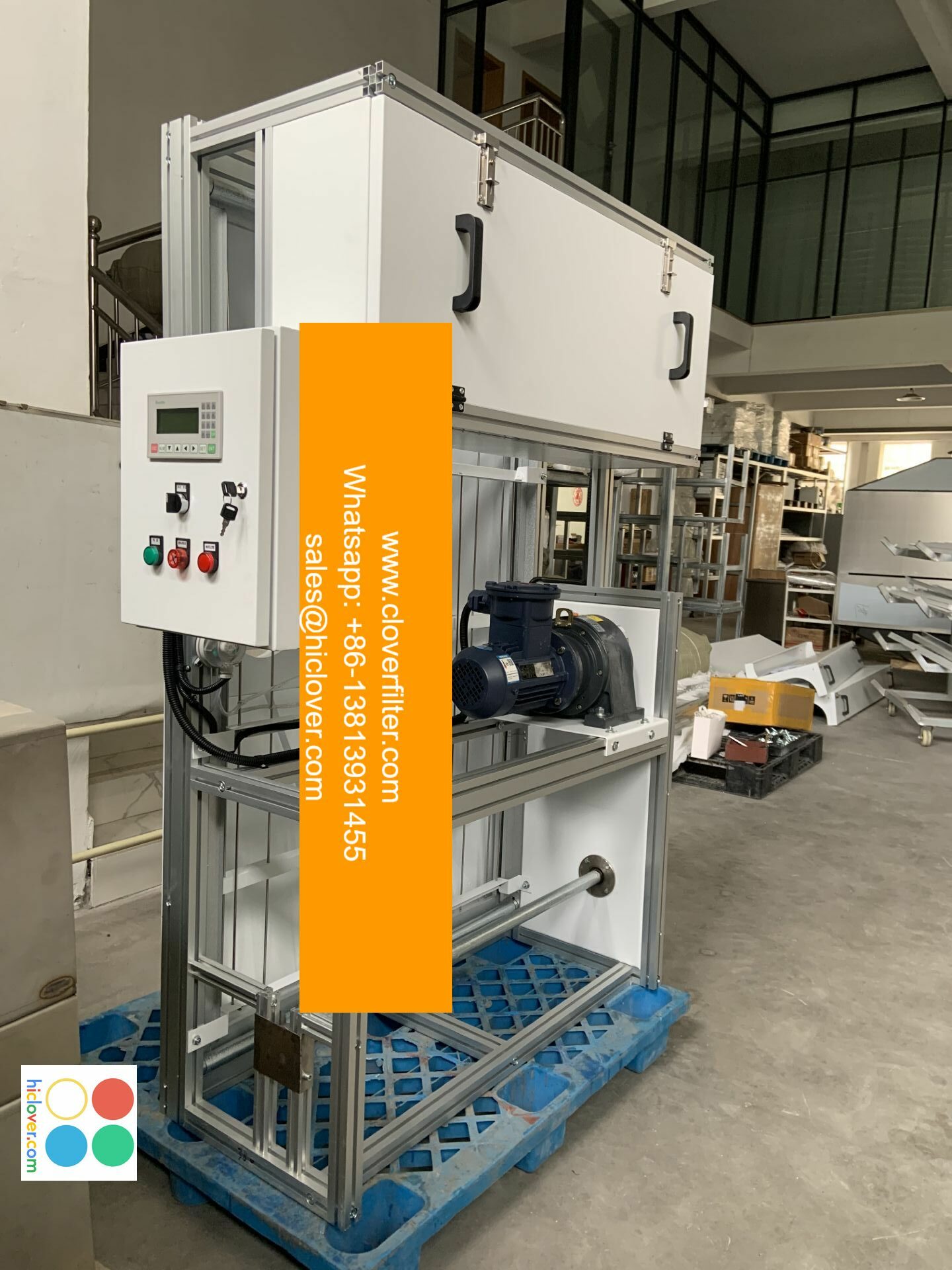
In an era where precision and safety reign supreme, the importance of cleanrooms in the medical device industry cannot be overstated. These controlled environments play a pivotal role in the manufacturing process, and as such, effective risk management strategies are essential. Among the most critical components of cleanroom operations are the automatic roll air filters, which serve as a front line of defense against contamination, ensuring product reliability and adherence to strict regulatory standards.
Understanding Cleanrooms and Their Significance

Cleanrooms are specially designed environments aimed at reducing particulate contamination. In the medical device sector, where even microscopic contaminants can lead to product failure or adverse patient outcomes, maintaining the highest air quality standards is paramount. Risk management in these settings involves not only the tracking of methodologies and processes but also the implementation of technology that supports cleanliness and safety.
The Role of Automatic Roll Air Filters
Automatic roll air filters are advanced filtration solutions that provide consistent air quality control in cleanrooms. Utilizing HEPA (High-Efficiency Particulate Air) or ULPA (Ultra-Low Penetration Air) filter technology, these systems effectively capture airborne particles and microorganisms. The advantages of using automatic roll air filters in medical device cleanrooms include:
- Continuous Filtration: These filters can operate seamlessly, ensuring uninterrupted airflow and contamination control.
- Automated Controls: With built-in sensors, automatic roll air filters can adjust filtration rates based on real-time air quality data.
- Cost Efficiency: By reducing filter replacement frequency and energy consumption, they significantly lower operational costs.
- Enhanced Compliance: Regular monitoring and reporting capabilities help manufacturers meet stringent regulations set by governing bodies.
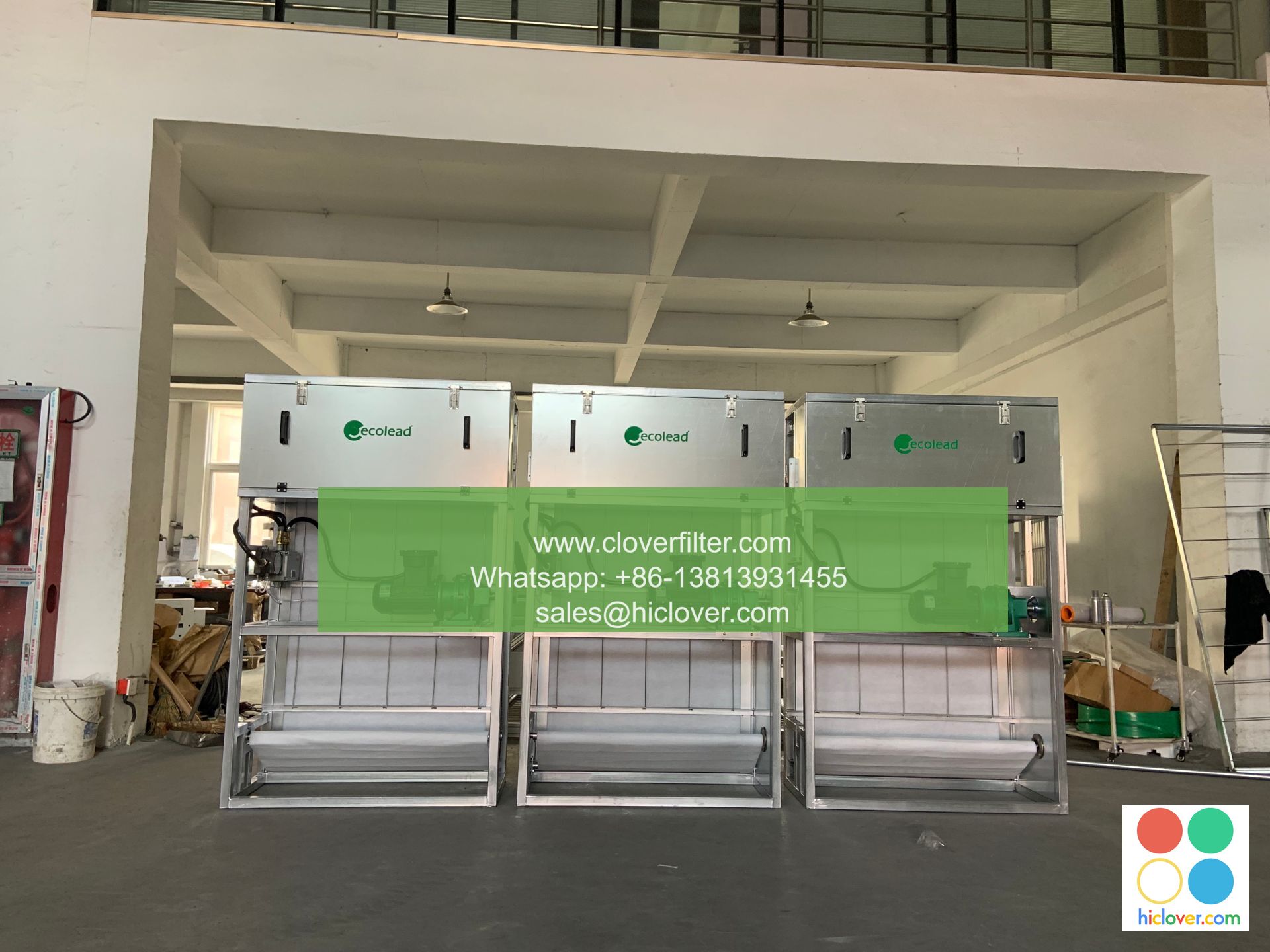
Application Areas of Automatic Roll Air Filters
Automatic roll air filters find application in various segments within the medical device industry:
1. Pharmaceutical Manufacturing
In pharmaceutical settings where sterile drug production occurs, maintaining contamination-free zones is critical. Automatic roll air filters play a vital role in ensuring compliant and safe environments.
2. Surgical Tool Manufacturing
With surgical instruments requiring the utmost precision, automatic roll air filters help maintain air purity to avoid any risk of infection during production.
3. Medical Implant Production
For products such as orthopedic implants and cardiovascular devices, the effectiveness of air filtration directly impacts product quality, longevity, and patient safety.
Conclusion
As the medical device industry continues to evolve, the need for stringent risk management practices remains ever-present. Automatic roll air filters stand out as a critical component in maintaining essential air quality in cleanrooms, helping manufacturers navigate the complexities of contamination control, regulatory compliance, and operational efficiency. The integration of these advanced filtration systems not only mitigates health risks but also enhances product reliability, solidifying their necessity in today’s healthcare landscape. Embracing advanced technology is not just an option; it is a prerequisite for success in the medical device market.
