How Self-Cleaning Roll Filtration Enhances Tropical Food Storage in Cairns
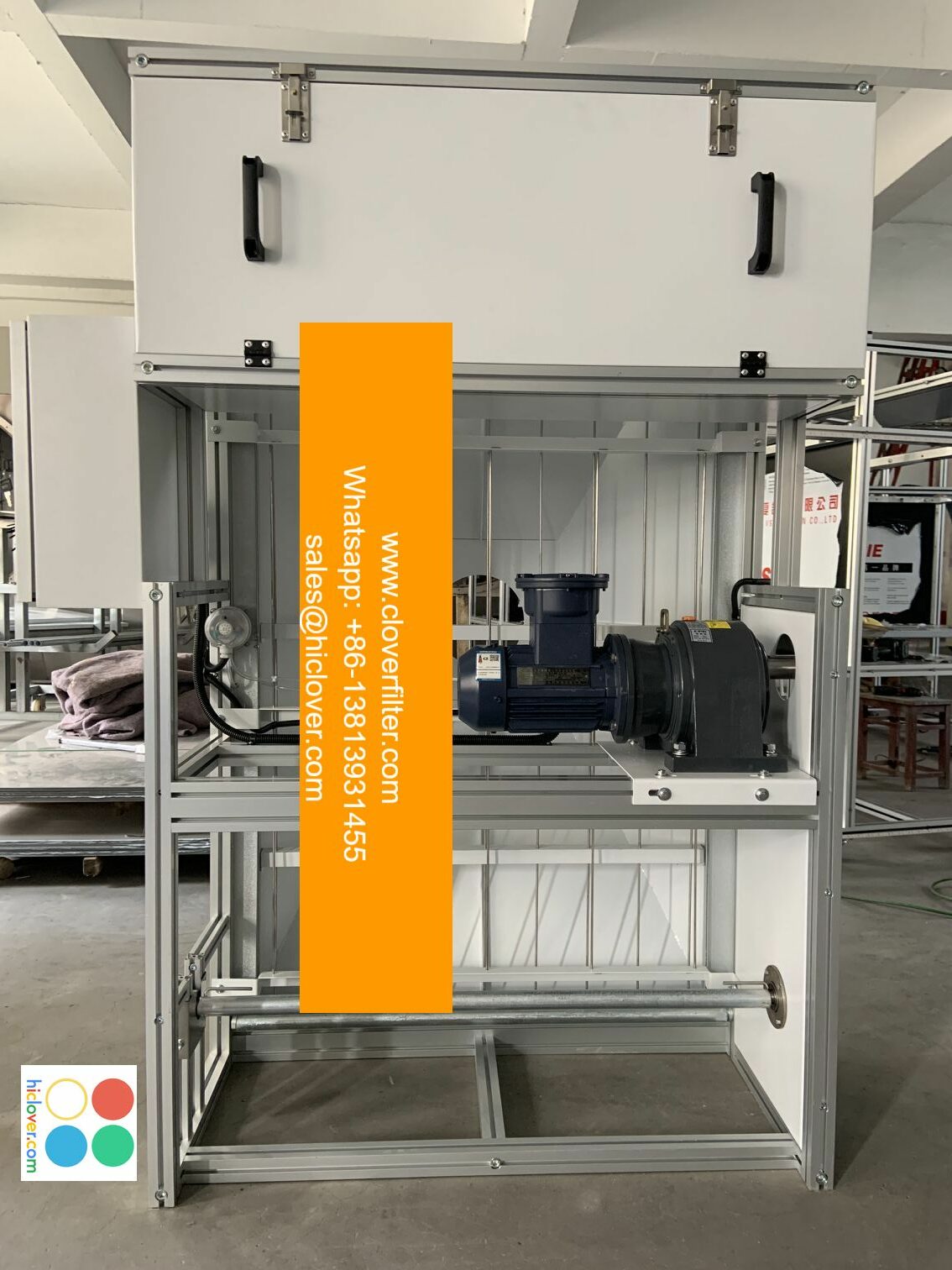
As a thriving agricultural hub, Cairns, nestled in the heart of Far North Queensland, faces unique challenges in food storage due to its tropical climate. High humidity and warm temperatures can lead to spoilage and contamination, making effective storage solutions essential. One of the most innovative technologies gaining traction in this area is self-cleaning roll filtration, which not only maximizes food quality but also streamlines storage operations.
Understanding Self-Cleaning Roll Filtration

Self-cleaning roll filtration is an advanced filtration system that utilizes a continuous roll of filtration media to separate solid particles from liquids. This technology has been incorporated into various industries, but its application in tropical food storage is particularly noteworthy. By effectively filtering out contaminants, such as mold spores and bacteria, self-cleaning roll filtration enhances food safety and shelf life.
The Importance of Tropical Food Storage
Cairns’ tropical climate poses specific challenges for food storage. The combination of heat and humidity can accelerate spoilage, leading to significant losses for local farmers and suppliers. As a result, innovative storage solutions are paramount. Effective food storage mechanisms not only preserve the freshness and quality of products but also reduce waste, making them essential for sustainable agriculture.
Applications of Self-Cleaning Roll Filtration in Food Storage
Self-cleaning roll filtration has diverse applications within the sphere of tropical food storage:

- Fruits and Vegetables: This technology helps maintain optimal humidity levels while filtering out undesirable particulates, ensuring that fruits and vegetables remain crisp and fresh for a more extended period.
- Dairy Products: Milk and cream are sensitive to contamination; self-cleaning roll filtration systems can enhance their safety by removing harmful bacteria and extending their shelf life.
- Meat and Seafood: In tropical conditions, the risk of bacterial growth significantly increases. By employing self-cleaning filtration, moisture levels can be controlled, and food safety can be improved, leading to decreased spoilage.
- Grains and Cereals: For storage of grains, filtering out pests and contaminants ensures that the food remains viable for consumption, mitigating risks associated with mold and spoilage.
Advantages of Self-Cleaning Roll Filtration
The benefits of incorporating self-cleaning roll filtration into tropical food storage include:
- Enhanced Food Safety: By effectively eliminating contaminants, this technology reduces the risk of foodborne illnesses, providing greater assurance to both consumers and suppliers.
- Reduced Spoilage: By controlling moisture content and filtering airborne mold spores, self-cleaning roll filtration can significantly extend the shelf life of various food products.
- Reduced Labor Costs: The self-cleaning mechanism minimizes the need for manual cleaning, allowing for greater efficiency in food storage management.
- Environmentally Friendly: Many self-cleaning roll filtration systems utilize reusable materials, reducing waste and aligning with sustainable practices in food storage.
Conclusion
As Cairns continues to develop as a key player in tropical agriculture, the integration of self-cleaning roll filtration technology in food storage presents a promising solution to the challenges posed by the region’s climate. By enhancing food safety, extending shelf life, and reducing spoilage, this innovative technology plays a vital role in sustainable food management. For growers, suppliers, and consumers alike, self-cleaning roll filtration is proving to be a pivotal advancement in optimizing tropical food storage in Cairns.
It seems like you might have a topic in mind or something specific you want to discuss. Could you please provide more details or clarify what you’re looking for? Whether it’s a question, a creative prompt, or anything else, I’m here to help!
