The Role of Air Filters in Reducing Airborne Pathogens and Viruses
Introduction

Air quality plays a crucial role in our health, especially in our ability to breathe easily and stay free from illnesses. With increasing awareness of airborne pathogens and viruses, the role of air filters has become more critical than ever. These devices not only improve indoor air quality, but they also significantly reduce the risk of transmitting harmful microorganisms.
Understanding Airborne Pathogens and Viruses
Airborne pathogens, such as viruses and bacteria, can easily float through the air and infect healthy individuals. Diseases like flu, COVID-19, and tuberculosis are primarily spread through inhalation of contaminated air. As a result, controlling the environmental conditions within enclosed spaces is essential in reducing the transmission of these diseases.
How Air Filters Work
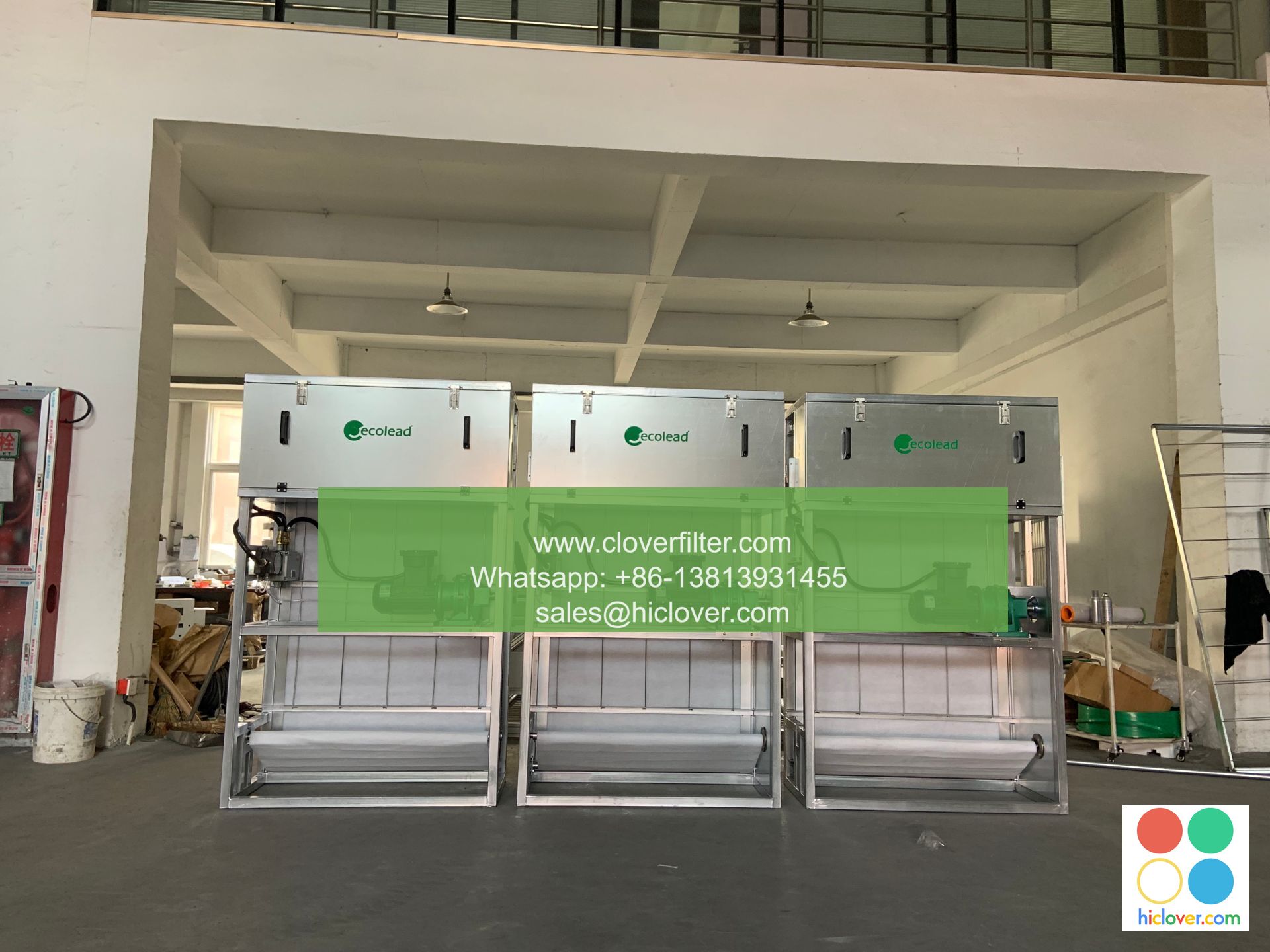
Air filters work by trapping airborne particles, including dust, pollen, allergens, and microorganisms. Different types of filters, such as HEPA (High Efficiency Particulate Air) filters, are specifically designed to capture particles as small as 0.3 microns, effectively filtering out a significant percentage of viruses and bacteria.
Application Areas of Air Filters
1. Residential Applications
In homes, air filters can be integrated into HVAC systems or used in standalone air purifiers. Regular use of high-quality air filters can help minimize allergens, reduce pet dander, and improve overall air quality, leading to healthier living environments.
2. Commercial Spaces
Workplaces are often crowded environments where the risk of virus transmission is high. Implementing air filters in offices and retail spaces not only aids in protecting employees but also contributes to increased productivity by promoting a healthier work environment.
3. Healthcare Facilities
Hospitals and clinics require the highest standards of air quality control to prevent the spread of infections. Here, specialized air filters are crucial. They are utilized in Operating Rooms and Intensive Care Units (ICUs) to maintain sterile conditions, reducing the risk of postoperative infections and cross-contamination.
4. Industrial Applications
In industrial settings, especially in manufacturing processes where dust and other contaminants are prevalent, advanced filtration systems are essential. They not only protect employees’ health but also enhance product quality by reducing contamination risks.
Conclusion
Air filters play an indispensable role in reducing airborne pathogens and viruses across various applications. Whether in homes, workplaces, healthcare facilities, or industrial environments, investing in high-quality air filtration systems is crucial for safeguarding health and improving overall indoor air quality. As we continue to navigate through challenges posed by airborne diseases, the importance of air filters will undoubtedly remain a vital component in public health strategies.
Sure! What kind of prompt are you looking for? It could be for writing, drawing, brainstorming, or something else. Let me know!
