The Role of Air Filtration in Reducing Static Electricity
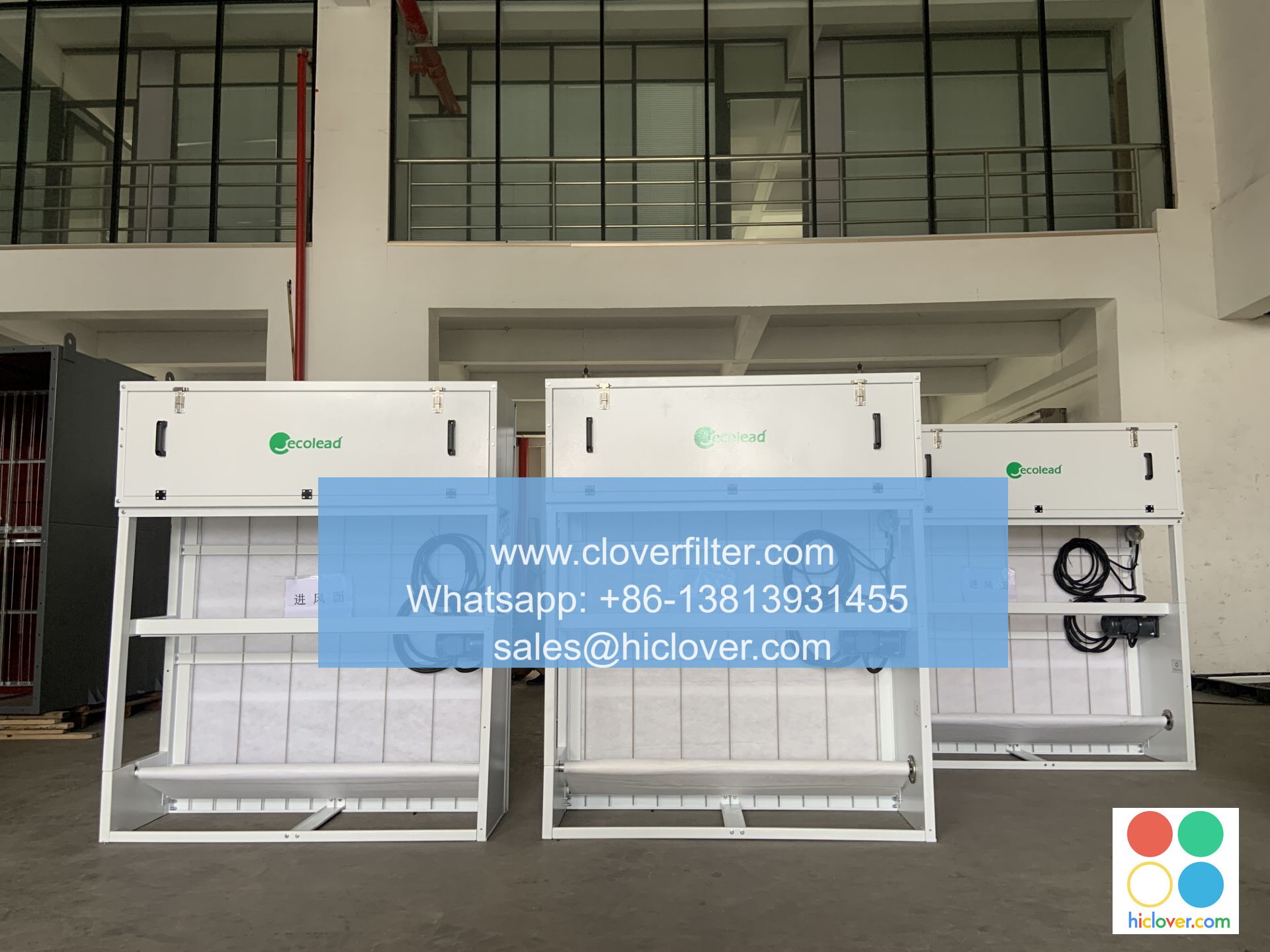
Static electricity is an omnipresent phenomenon that can cause significant disruptions in various industries and daily life. Air filtration plays a crucial role not only in enhancing air quality but also in mitigating the effects of static electricity.
Understanding Static Electricity

Static electricity occurs when there is an imbalance between negative and positive charges in objects, often due to friction. This imbalance can lead to annoying shocks, equipment failure, and even hazardous situations in specific environments. This is where the importance of air filtration comes into play.
How Air Filtration Reduces Static Electricity
Air filtration systems are designed to remove particles, dust, and pollutants from the air. By doing so, they can influence the levels of humidity in the environment. Here’s how air filtration contributes to reducing static electricity:
1. Moisture Control
One of the primary benefits of air filtration is its capacity to maintain optimal humidity levels. Dry air is a significant contributor to static electricity build-up. Air filters that incorporate humidification components can add moisture to the air, reducing the likelihood of static charge accumulation.
2. Particle Removal
Air filters capture dust and particulate matter that can contribute to static build-up. By removing these particles from the air, the potential for static discharge is minimized. Advanced filtration systems, including HEPA and electrostatic filters, are particularly effective in this regard.
3. Improved Air Quality
Cleaner air results in fewer irritants and better respiratory health, which indirectly helps manage static electricity. In environments where sensitive electronics are prevalent, such as data centers, improved air quality can have a direct impact on equipment performance and longevity.
Application Areas for Air Filtration in Static Electricity Management
1. Electronics Manufacturing
In the electronics industry, the control of static electricity is paramount. Air filtration systems equipped with ionizers help to ground static electricity, ensuring the safety of delicate components during manufacturing processes. This reduces the risk of ESD (electrostatic discharge) damage.
2. Pharmaceutical Sector
Static charges can disrupt the operation of sensitive pharmaceutical production processes. High-efficiency air filtration systems maintain proper humidity and air quality, crucial for ensuring product safety and compliance in pharmaceutical manufacturing.
3. Printing and Packaging
Static electricity can interfere with printing and packaging operations by causing misalignment or jamming of machinery. Air filters that minimize airborne particles can significantly reduce these occurrences, thus enhancing productivity and product quality.
4. Cleanrooms
Cleanrooms require stringent controls over air quality and static electricity levels. Air filtration systems equipped with specialized air filters help create a controlled environment with low humidity and dust, which is vital for industries like aerospace and biotechnology.
Conclusion
In conclusion, air filtration plays a vital role in reducing static electricity across various industries. By controlling humidity and removing dust and irritants, air filtration systems not only promote better air quality but also enhance operational efficiency and safety. Investing in advanced air filtration technology is essential for businesses looking to mitigate the risks associated with static electricity.
It seems like your message was cut off. Could you please provide more details or specify what kind of prompt you are looking for? Whether it’s for writing, programming, art, or something else, I’m here to help!
