The Future of Air Filtration: Self-Cleaning Roll Filters for Kenyan Projects
Introduction to Air Filtration
Air pollution is a growing concern in many parts of the world, and Kenya is no exception. As urbanization accelerates and industries expand, the need for effective air purification has become critical. Traditional air filtration systems, while effective, often require significant maintenance and can be costly to operate. This article explores the innovative concept of self-cleaning roll filters as a solution for Kenyan projects, offering a glimpse into the future of air quality management.

Understanding Self-Cleaning Roll Filters
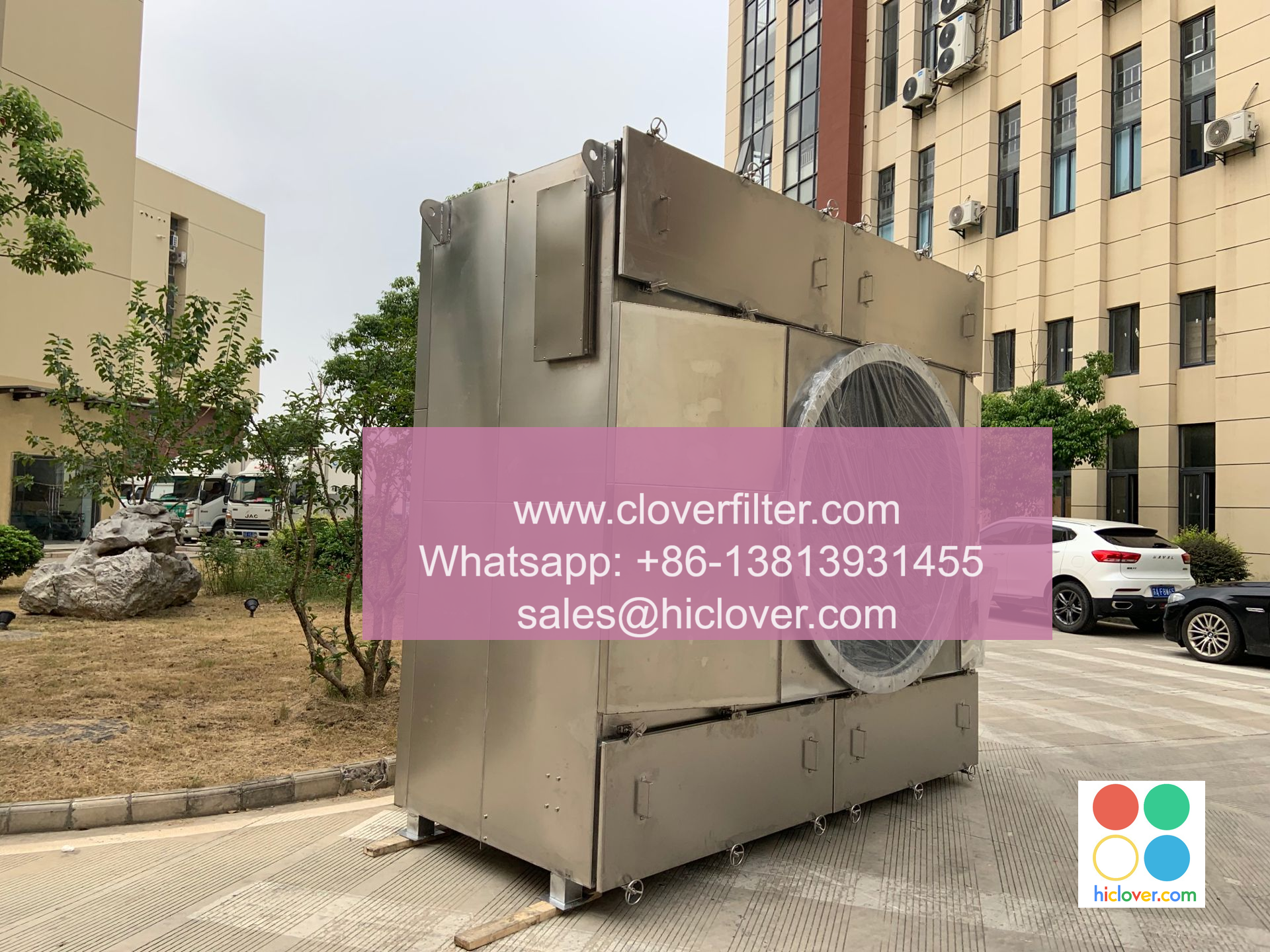
Self-cleaning roll filters represent a significant advancement in air filtration technology. Unlike traditional filters that need to be replaced or manually cleaned, these filters utilize a unique mechanism to automatically remove particulate matter and contaminants. The roll filter system operates by drawing air through a continuous roll of specialized filtration material, which is periodically cleaned using automated scrubbing or jetting systems.
Benefits of Self-Cleaning Roll Filters
The advantages of self-cleaning roll filters are particularly relevant for Kenyan applications:
- Reduced Operational Costs: By minimizing manual maintenance, these filters can cut labor costs significantly.
- Increased Efficiency: The automated cleaning process ensures that the filters operate at optimal capacity, improving air quality consistently.
- Sustainability: With longer filter life and reduced waste, these systems align with sustainable practices vital in addressing environmental challenges.
- Initial Investment: The upfront costs may be higher compared to traditional systems, which could deter some potential users.
- Awareness and Education: Educating stakeholders on the benefits and functionality of these systems is essential for widespread adoption.
- Infrastructure Needs: Integrating these advanced systems into existing infrastructure may require significant redesign.

Application Areas in Kenya
Self-cleaning roll filters have potential applications across various sectors in Kenya, enhancing air quality in diverse environments:
1. Urban Air Quality Management
In cities like Nairobi, high traffic and industrial emissions contribute to significant air pollution. Implementing self-cleaning roll filters in public buildings and transportation hubs can help to reduce airborne contaminants, thereby improving public health.
2. Agricultural Zones
In agricultural sectors, particularly near greenhouse operations, maintaining air quality is crucial for both crop health and worker safety. These advanced filtration systems can help control dust, pollen, and pesticide residues.
3. Healthcare Facilities
Hospitals and clinics require stringent air quality control measures to prevent infection and ensure patient safety. Self-cleaning roll filters can provide a continuous supply of filtered air, enhancing the overall hygiene of healthcare environments.
4. Industrial Applications
Manufacturing environments often require effective air purification to ensure compliance with health and safety standards. These filters can be integrated into industrial ventilation systems, reducing the risk of respiratory issues among workers.
Challenges and Considerations
While self-cleaning roll filters offer numerous benefits, several challenges must be addressed:
Conclusion
The future of air filtration in Kenya is bright, particularly with the advent of self-cleaning roll filters. As air quality concerns continue to grow, embracing innovative solutions will be crucial for protecting public health and enhancing the environment. By leveraging this advanced technology, Kenya can pave the way for a cleaner, healthier future.
Call to Action
For stakeholders in the air filtration industry, urban planners, and public health officials, it’s time to consider the implementation of self-cleaning roll filters in your projects. Together, we can create a sustainable and healthier living environment for all Kenyans.
It seems like your message was cut off. Could you please provide more details or clarify what you need help with regarding the prompt?
