The Rise of Smart Air Filters: Customization for the Modern Home

Introduction to Smart Air Filters
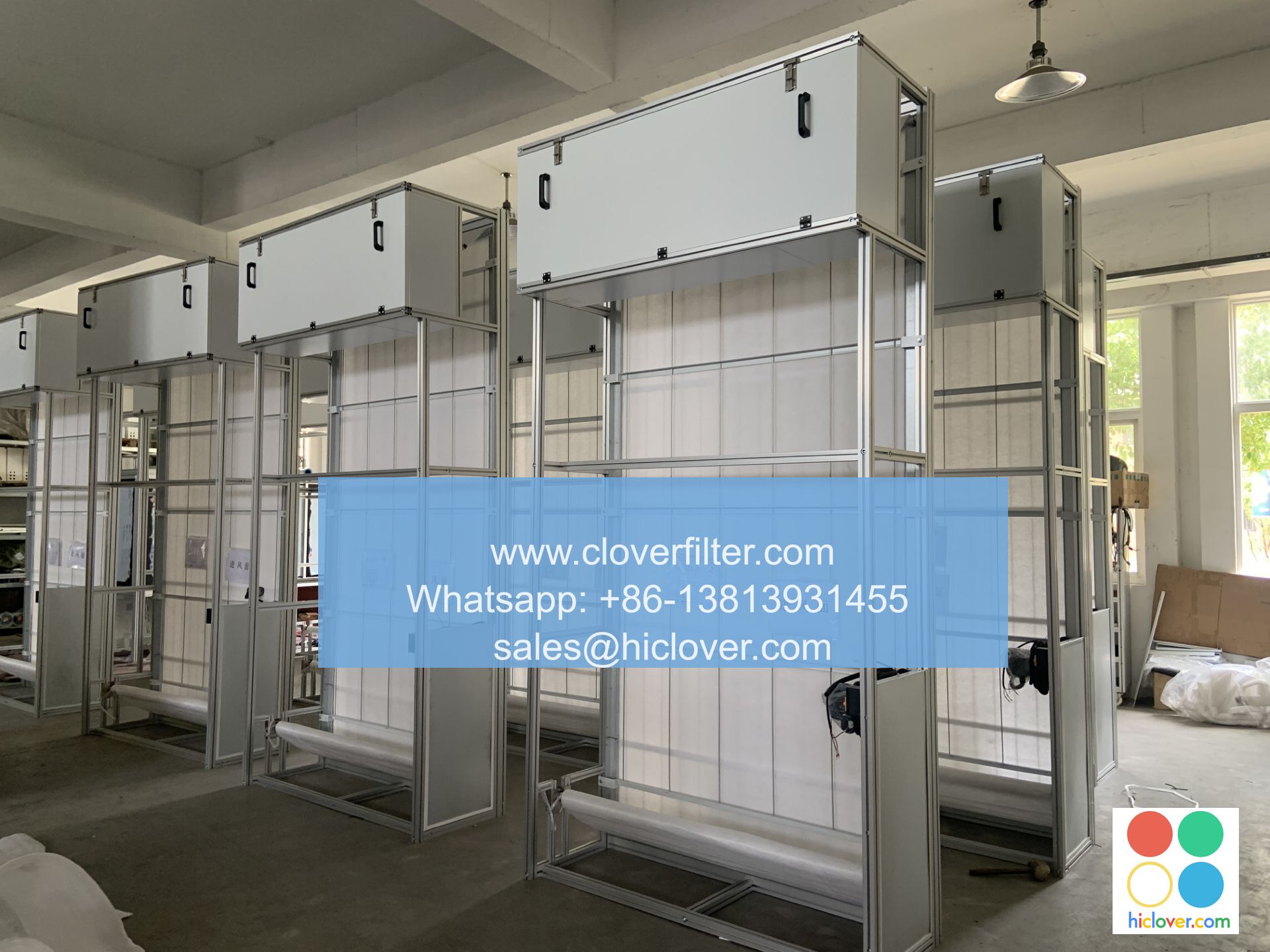
As awareness about air quality and environmental health continues to grow, the demand for smart air filters is on the rise. These advanced systems not only purify air but also offer customization options that cater to the unique needs of modern households. Utilizing the latest in IoT technology, smart air filters can monitor and adjust their performance based on real-time air quality data.
Understanding Air Quality and Its Importance
Indoor air quality significantly impacts our health, with pollutants often being at higher levels indoors than outdoors. Smart air filters are designed to combat problems such as allergens, dust, smoke, and volatile organic compounds (VOCs). By integrating sensors and automated systems, these filters can provide users with immediate feedback and customized solutions to improve their overall living environment.
Key Features of Smart Air Filters

Smart air filters are equipped with numerous features that make them stand out:
- Real-Time Monitoring: Sensors continuously track air quality and provide updates through mobile apps.
- Customizable Settings: Users can adjust fan speeds and filter schedules based on their preferences and needs.
- Remote Control: Many smart air filters can be controlled via smartphones or smart home integrations.
- Filter Replacement Alerts: These systems notify users when it’s time to replace filters, ensuring optimal performance.
Areas of Application
The versatility of smart air filters enables them to be used in various settings, including:
1. Residential Homes
Families can benefit from smart air filters by reducing allergens and pollutants, creating a healthier living environment for children and pets.
2. Offices and Workspaces
Improved air quality in the workplace can boost employee productivity and reduce sick days, making these systems a wise investment for employers.
3. Educational Institutions
Schools and universities can implement smart air filters to create safer classroom environments, directly impacting student learning and wellbeing.
4. Healthcare Facilities
In hospitals and clinics, maintaining high air quality is crucial for patient health. Smart filters can help reduce the spread of infections.
The Future of Smart Air Filters
As technology continues to advance, we can expect further innovations in smart air filter systems. Features like AI-driven analytics for predictive maintenance, enhanced sensor capabilities, and even better integration with home automation systems will likely become standard. The focus will increasingly shift towards personalization, allowing users to tailor air quality solutions according to their lifestyle, health, and preferences.
It looks like you entered “Prompt” without additional context. How can I assist you with that? Are you looking for a creative writing prompt, information on a specific topic, or help with something else?
