The Impact of Automatic Roll Air Filter on Biotech Research and Development: A Comprehensive Study on Innovation
The Impact of Automatic Roll Air Filter on Biotech Research and Development
In recent years, the biotechnology sector has undergone significant transformations, largely driven by technological advancements. One of the innovations that stand out in this journey is the Automatic Roll Air Filter (ARAF). This advanced filtration system has become a crucial component in laboratories and manufacturing facilities, manifesting its influence on research and development (R&D) within the biotech industry. By ensuring a contamination-free environment, the ARAF enables researchers to focus on innovation while adhering to stringent quality standards.
Understanding the Automatic Roll Air Filter
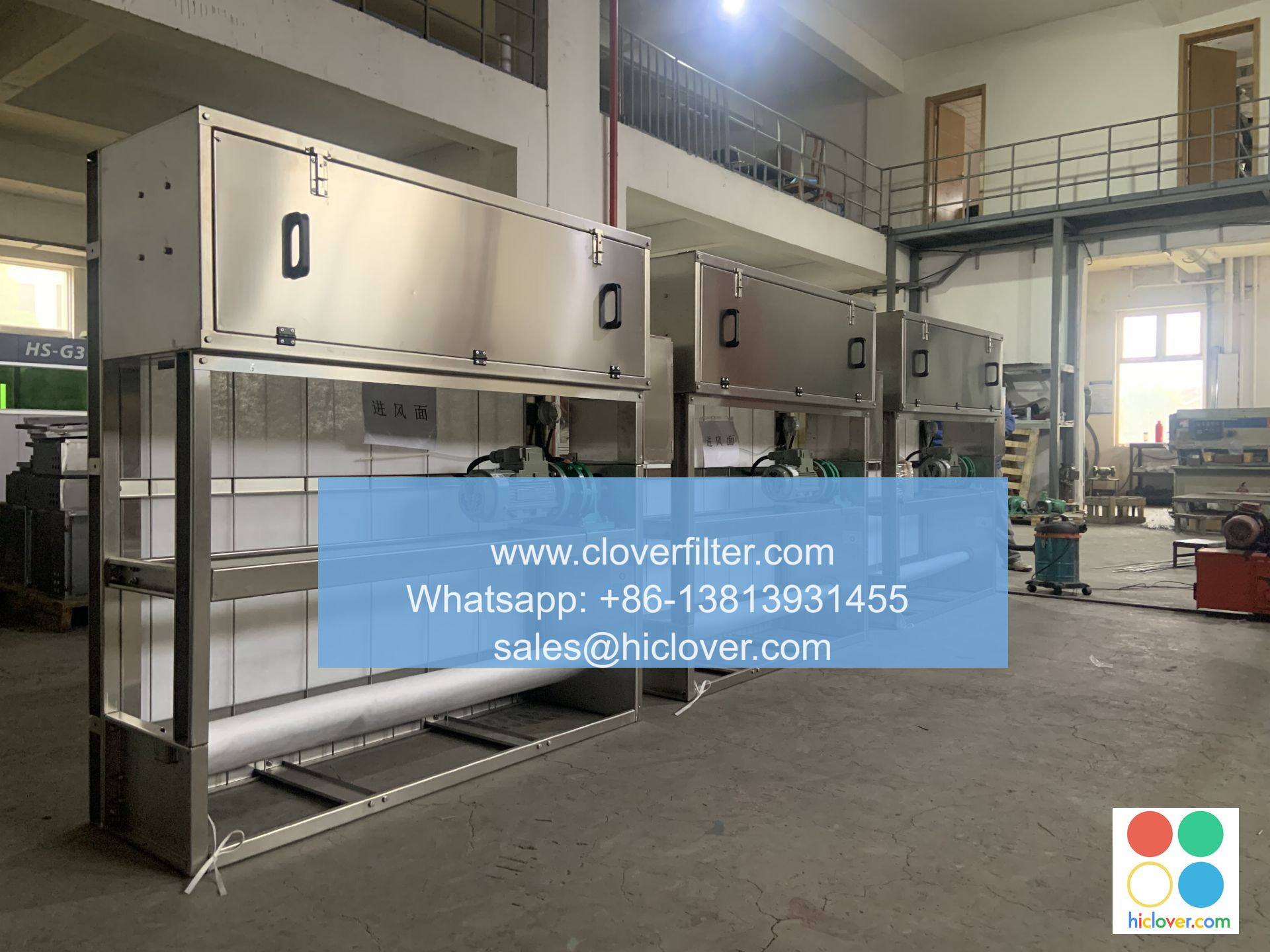
Automatic Roll Air Filters are designed to provide continuous, high-efficiency air filtration. Unlike traditional static filters, ARAF units automatically roll out new layers of filter media, thereby ensuring a constant supply of clean air for laboratory instruments and biological samples. This technology minimizes the downtime for filter changes and enhances the productivity of research teams.
Benefits to Biotech Research
- Enhanced Sterility: Maintaining a sterile environment is critical in biotech research. ARAF systems minimize the risk of contamination, which can jeopardize experiments and lead to unreliable results.
- Cost Efficiency: By reducing the frequency of manual filter changes and minimizing waste, ARAF contributes to cost savings in R&D expenditures. Researchers can allocate resources more effectively to innovative projects rather than maintenance.
- Improved Working Conditions: Researchers often work in environments that require precision and focus. ARAF enhances air quality, reducing allergens and particles, which ultimately leads to improved health and productivity among staff.
- Regulatory Compliance: Many biotech fields are subject to stringent regulations regarding cleanliness and air quality. ARAF helps laboratories comply with these standards, simplifying the process of obtaining necessary certifications.
- What is an Automatic Roll Air Filter?
- An Automatic Roll Air Filter is a high-efficiency filtration system designed to provide continuous clean air by automatically rolling out new layers of filter media.
- How does ARAF contribute to cost savings in biotech research?
- By reducing the frequency of manual filter changes and minimizing waste, ARAF allows biotech firms to allocate resources more effectively, cutting down maintenance costs.
- Why is maintaining a sterile environment essential in biotech research?
- A sterile environment minimizes contamination risk, ensuring experimental integrity and reliable results, which are critical in biotech R&D.
- What are the future prospects of ARAF technology?
- Future developments may include automated monitoring systems and integration with smart laboratory technologies, enhancing air quality and data collection for operational improvement.

Impact on Innovation
Innovation in biotech is often contingent on the ability to conduct experiments safely and efficiently. The introduction of ARAF technology has transformed how biotech firms approach R&D. By minimizing contamination risks and ensuring optimal working conditions, researchers can explore new avenues without the fear of compromising quality. This has led to breakthroughs in areas such as genetic engineering, drug development, and agricultural biotechnology.
A Case Study: Araf in Action
A recent case study involving a leading biotech firm revealed dramatic improvements in both the speed and success rate of experiments following the implementation of ARAF. Prior to the upgrade, the company faced challenges with contamination and workflow interruptions. Post-implementation, there was a noticeable reduction in failed assays—leading to quicker project turnaround times and a significant increase in research output.
The Future of ARAF in Biotechnology
As the demand for biotechnological innovations continues to grow, the role of advanced filtration systems like ARAF will be paramount. Future developments in ARAF technology may include automation in monitoring air quality and integration with smart laboratory ecosystems, ensuring not only cleanliness but also intelligent data collection for continuous improvement.
Conclusion
The Automatic Roll Air Filter represents a leap forward in biotechnology R&D, facilitating innovation through improved air quality, reduced contamination risk, and increased operational efficiency. As the biotech landscape evolves, adopting technologies that ensure a sterile and cost-effective research environment will be crucial for fostering groundbreaking discoveries.
FAQs
