Understanding Air Filter Pressure Drop: A Comprehensive Guide
Key Takeaways:
- Air filter pressure drop affects air quality and system efficiency.
- An Automatic Roll Air Filter enhances effective filtration by utilizing advanced roll media.
- Proper selection of an air filter can lead to significant energy savings and reduced maintenance.
- Understanding differential pressure helps in timely filter changes.
- Compliance with standards such as ISO 16890 ensures quality and performance.
- Avoiding common mistakes can prolong the lifespan of your filtration system.
- Real-world applications illustrate the benefits of appropriate air filter selection.
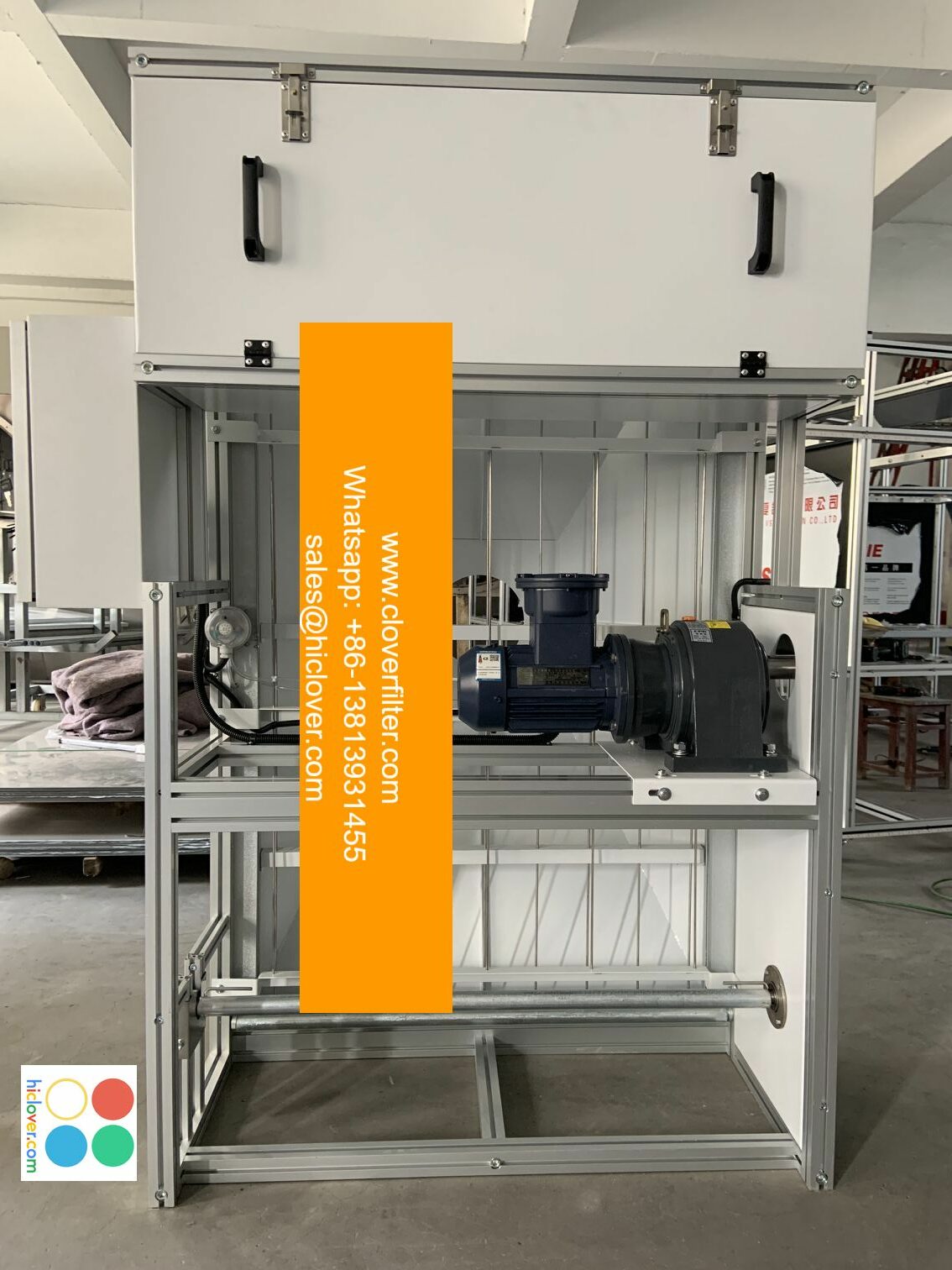
- Roll Media Advance Logic: The filters utilize a roll of media that advances automatically as it becomes saturated with captured particulate.
- Differential Pressure Trigger: When the pressure differential across the filter reaches a certain level, the roll media advances, providing fresh filtration media without the need for manual intervention.
- Timer Mode: This feature allows the filter to replace media at preset intervals, ensuring continuous optimal performance and reducing system burden.
- Airflow Range: Ensure the filter can handle the required volume of air specific to your application.
- Face Velocity: Determining the appropriate velocity helps in evaluating efficiency and pressure drop.
- Media Width/Length: Choose dimensions that fit your existing HVAC system’s framework.
- Frame Size: Select a frame size that accommodates your installation requirements.
- Control Options: Determine if you need manual or automatic controls based on your facility’s operations.
- Power Supply: Assess power supply needs; whether AC or DC, ensuring compatibility with your current HVAC systems.
- Installation Location: Decide if the filter will be installed at fresh air intake, return, or process air systems.
- Neglecting to Monitor Pressure Drop: Regular monitoring ensures optimal performance.
- Overlooking Filter Size: Ensure compatibility with existing systems to avoid installation issues.
- Ignoring Maintenance Schedules: Stick to the recommended replacement intervals to minimize costs.
- Underestimating Airflow Needs: Always consider actual system demands rather than hypothetical performance.
- Improper Installation: Follow manufacturer guidelines strictly to prevent leaks and loss of efficacy.
- Choosing MERV Ratings without Context: Understand the environment to select the right level of filtration.
- Overcomplicating Selection: Focus on your specific needs rather than getting distracted by added features that may not be beneficial.

What is Air Filter Pressure Drop?

Air filter pressure drop refers to the resistance air encounters when passing through the filter medium. This pressure loss is crucial because it impacts the overall efficiency of HVAC systems. An increased air filter pressure drop can lead to reduced airflow, resulting in poorer air quality and higher operational costs. Understanding this concept is fundamental for procurement managers, HVAC engineers, and facility managers responsible for maintaining optimal performance in environments like factories, cleanrooms, data centers, and hospitals.
The Role of Automatic Roll Air Filters
An Automatic Roll Air Filter is designed to provide efficient air filtration in various applications, from fresh air intake to recirculation in HVAC systems. The filter incorporates roll media, which can advance using a simple trigger mechanism driven by differential pressure. This innovative design automatically adjusts the filter surface area based on airflow and pressure readings, ensuring that minimal resistance is encountered, thus maintaining high efficiency.
How It Works
Understanding air filter pressure drop in conjunction with these features is vital for maximizing filtration efficiency.
Selection Guide for Automatic Roll Air Filters
When selecting an Automatic Roll Air Filter, consider the following factors:
Comparison Table
| Filter Type | Best Use Case | Maintenance | Pressure Drop Behavior | Operating Cost | Typical Risk/Downside |
|---|---|---|---|---|---|
| Automatic Roll Air Filter | Heavy particle control | Low – Automatic roll media | Consistent & low | Cost-efficient | Initial setup complexity |
| Bag Filter | Variable airflow systems | Moderate | Moderate | Moderate to high | Limitations on airflow capacity |
| Panel Filter | General air quality | Frequent | High | Lower upfront cost | Short lifespan and poor efficiency |
| V-bank | Large particulate control | Moderate | Variable | Moderate | Requires more space |
Common Mistakes & How to Avoid Them
Real-World Scenarios
Data Center
In a data center, maintaining concentrated airflow is crucial to protect sensitive equipment from overheating. Using CloverFilter’s Automatic Roll Air Filter ensures consistent air quality with minimal pressure drop, safeguarding server integrity.
Battery Factory
In a lithium battery manufacturing facility, lint and dust are significant concerns. With the dynamic airflow requirements, the Automatic Roll Air Filter can replace media seamlessly, thus maintaining high standards of particulate control.
Paint Shop
In paint booths, volatile organic compounds (VOC) must be managed effectively. The roll filter system reduces pressure drop while efficiently capturing particulate matter, which is vital for product quality and worker safety.
Textile/Steel/Cement Plant
For steel and cement plants, high levels of dust production necessitate robust filtration solutions. The Automatic Roll Air Filter provides effective make-up air filtration, keeping pressure drop low and compliance with general industry frameworks manageable.
Frequently Asked Questions
Q1: What is an acceptable air filter pressure drop for HVAC systems?
A1: An acceptable range typically falls between 0.5 to 1.0 inches of water column, but always refer to specific system requirements.
Q2: How often should air filters be replaced?
A2: Generally, commercial filters are replaced every 3-6 months, but this can vary based on usage and environmental factors.
Q3: Can I use an Automatic Roll Air Filter in any HVAC system?
A3: Yes, they are versatile and can be adapted for various systems, including AHUs and industrial applications.
Q4: What maintenance does an Automatic Roll Air Filter require?
A4: Minimal maintenance is required due to the automated media roll, but you should periodically check for system performance and integrity.
Q5: Are there standards for air filter efficiency?
A5: Yes, filters are often assessed based on ISO 16890 or MERV ratings, essential for ensuring compliance with industry norms.
Q6: How does pressure drop affect energy consumption?
A6: Higher pressure drops require more energy to maintain airflow, leading to increased operational costs.
Conclusion
Understanding air filter pressure drop is essential for optimizing HVAC system performance and ensuring high air quality. Choosing the right filtration solution, such as the Automatic Roll Air Filter from CloverFilter, can lead to significant efficiency and maintenance benefits. For more information and personalized assistance, reach out to CloverFilter through their contact page.
Meta Description: Learn how air filter pressure drop affects HVAC performance and explore the benefits of CloverFilter’s Automatic Roll Air Filter in industrial applications.
It seems like you might be looking for a prompt or an idea to work with. Could you please clarify what type of prompt you need? For example, are you looking for a writing prompt, a creative project idea, a discussion topic, or something else? Let me know how I can assist you!
