Advancements in Air Filter Technology: A Comprehensive Overview
Key Takeaways
- Automatic Roll Air Filters improve particulate control and maintenance efficiency.
- Air filter engineering innovations lead to energy savings in HVAC systems.
- Effective filter selection can enhance performance in specific applications.
- Understanding common mistakes can optimize filter workflow.
- Compliance with industry standards enhances operational reliability.
- Airflow Range: Determines the volume of air that needs to be filtered.
- Face Velocity: Affects the filter’s efficiency; balancing it ensures optimal particulate removal without excessive pressure drop.
- Media Width/Length: Should accommodate the specific dimensions of the HVAC system.
- Frame Size: Needs to fit into existing installations without extensive modification.
- Control Options: Determine whether manual or automatic media advancement is preferable.
- Power Supply: Essential for automatic functions; ensure compatibility with existing infrastructure.
- Installation Location: Whether it is intended for fresh air intake, return air pathways, or specific process-related applications.
- Improper Sizing: Always ensure the filter is correctly sized for the ductwork to prevent leaks.
- Ignoring Airflow Requirements: Pay attention to airflow needs based on application specifics.
- Neglecting Maintenance Scheduling: Schedule timely media changes to prevent inefficiency.
- Failing to Monitor Differential Pressure: Regular checks ensure the system remains clean and operational.
- Inadequate Transition Spaces: Ensure enough space is available for filter changes.
- Lack of Training: Provide resources for staff to understand proper use and maintenance.
- Overlooking Energy Consumption: Choose filters that align with energy efficiency goals.
- Ignoring Environment-Specific Needs: Different environments may require different filtration solutions.
- Not Reviewing Filter Specifications Regularly: Stay updated with the latest specifications and certifications.
- Relying Solely on Cost: Value quality and long-term efficiency over initial purchase price.

Introduction to Air Filter Engineering
In the ever-evolving landscape of industrial air filtration, advancements in air filter engineering play a crucial role in maintaining air quality across various facilities. Industries like data centers, lithium battery plants, and hospitals rely heavily on efficient filtration systems. A prime example of innovation is the Automatic Roll Air Filter. This technology leverages advanced design to streamline air filtration processes, optimize maintenance, and ultimately deliver cleaner air for diverse environments.
What is an Automatic Roll Air Filter?

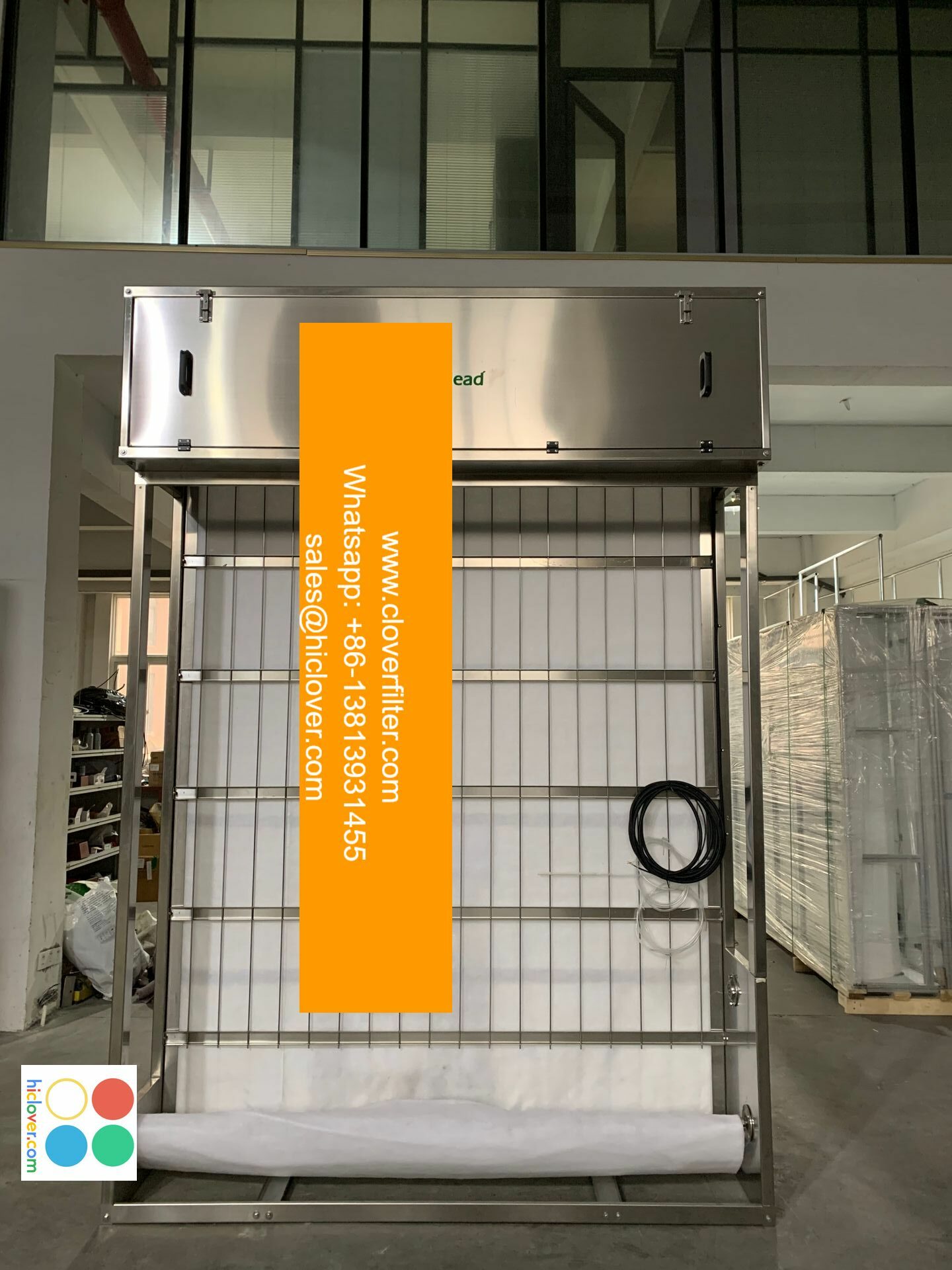
An Automatic Roll Air Filter is a sophisticated air filtration solution designed to provide continuous, high-performance air cleaning while minimizing manual maintenance. It features a roll media that advances based on specific triggers, ensuring that clean air is always present in your environment.
How It Works
This air filter operates using two primary mechanisms: differential pressure triggers and a timer-based mode. As particles accumulate on the filter media, the differential pressure increases, indicating the need for a new section of filter media to be brought into the airstream. The timer mode can also be programmed to replace the media at predetermined intervals, enhancing reliability. This makes the Automatic Roll Air Filter an essential component in HVAC/ AHU systems, particularly for fresh air intake and return air filtration.
Practical Selection Guide for Air Filters
When selecting an air filter, particularly the Automatic Roll Air Filter, procurement managers and HVAC engineers should consider the following parameters:
Comparison of Air Filter Types
Here’s a quick overview comparing the Automatic Roll Air Filter with other common filtration options:
| Filter Type | Best Use Case | Maintenance | Pressure Drop Behavior | Operating Cost | Typical Risk/Downside |
|---|---|---|---|---|---|
| Automatic Roll Air Filter | Cleanrooms, Data Centers | Low | Moderate | Medium | Media change requires monitoring |
| Bag Filter | Large industrial applications | Moderate | High | Medium | Bulky and less flexible |
| Panel Filter | General use | Low | Low | Low | Limited surface area |
| V-bank | High dust-loaded environments | High | Moderate | High | Requires more frequent changes |
Common Mistakes & How to Avoid Them
Real-World Scenarios
1. Data Center
In a facility focused on data processing, maintaining optimal air quality is paramount. Implementing Automatic Roll Air Filters reduced downtime by 30% due to improved air quality, cutting maintenance frequency and costs significantly.
2. Lithium Battery Factory
This factory experienced issues with particulate contamination affecting product quality. By switching to the Automatic Roll Air Filter, they improved filtration efficiency, resulting in higher yield rates and lower operational costs.
3. Paint Shop
A paint booth faced challenges with airborne particles interfering with finish quality. Installation of Automatic Roll Air Filters minimized overspray particles, resulting in smoother finishes and reduced cleanup efforts.
4. Textile/Cement Plant
In a textile mill, dust accumulation led to frequent filter changes and increased energy consumption. Implementing an Automatic Roll Air Filter provided consistent filtration while reducing maintenance needs, ultimately lowering operational costs.
Frequently Asked Questions (FAQ)
Q1: What are the primary benefits of an Automatic Roll Air Filter?
A1: They offer reduced maintenance, consistent air quality, and high particle removal efficiency.
Q2: How do I determine the right filter for my application?
A2: Consider airflow requirements, installation space, and specific environmental needs.
Q3: Is the Automatic Roll Air Filter compliant with industry standards?
A3: Reference frameworks like ISO 16890 and MERV are applicable; specific certifications are available on request.
Q4: How often does filter media need to be changed?
A4: This depends on air quality and system design; monitoring differential pressure helps in determining the frequency.
Q5: Do Automatic Roll Air Filters save energy?
A5: Yes, they reduce pressure drop and improve energy efficiency, leading to lower operational costs.
Q6: Can these filters be used in any industrial setting?
A6: They are adaptable and can fit many industrial applications, including cleanrooms and heavy-duty manufacturing.
Conclusion
Selecting the right air filtration technology, particularly understanding advancements in air filter engineering like the Automatic Roll Air Filter, can radically improve operational efficiency and air quality. CloverFilter provides cutting-edge solutions that cater to various industries while ensuring compliance and performance.
For personalized guidance on air filtration systems, reach out to CloverFilter through our contact page at CloverFilter Contact.
Meta Description: Explore advancements in air filter technology, including the Automatic Roll Air Filter, and learn how these innovations enhance air quality and operational efficiency.
It seems like your message got cut off! Could you please provide more details or clarify what you would like to know or discuss?
