Understanding Air Filter Sizes: A Comprehensive Guide
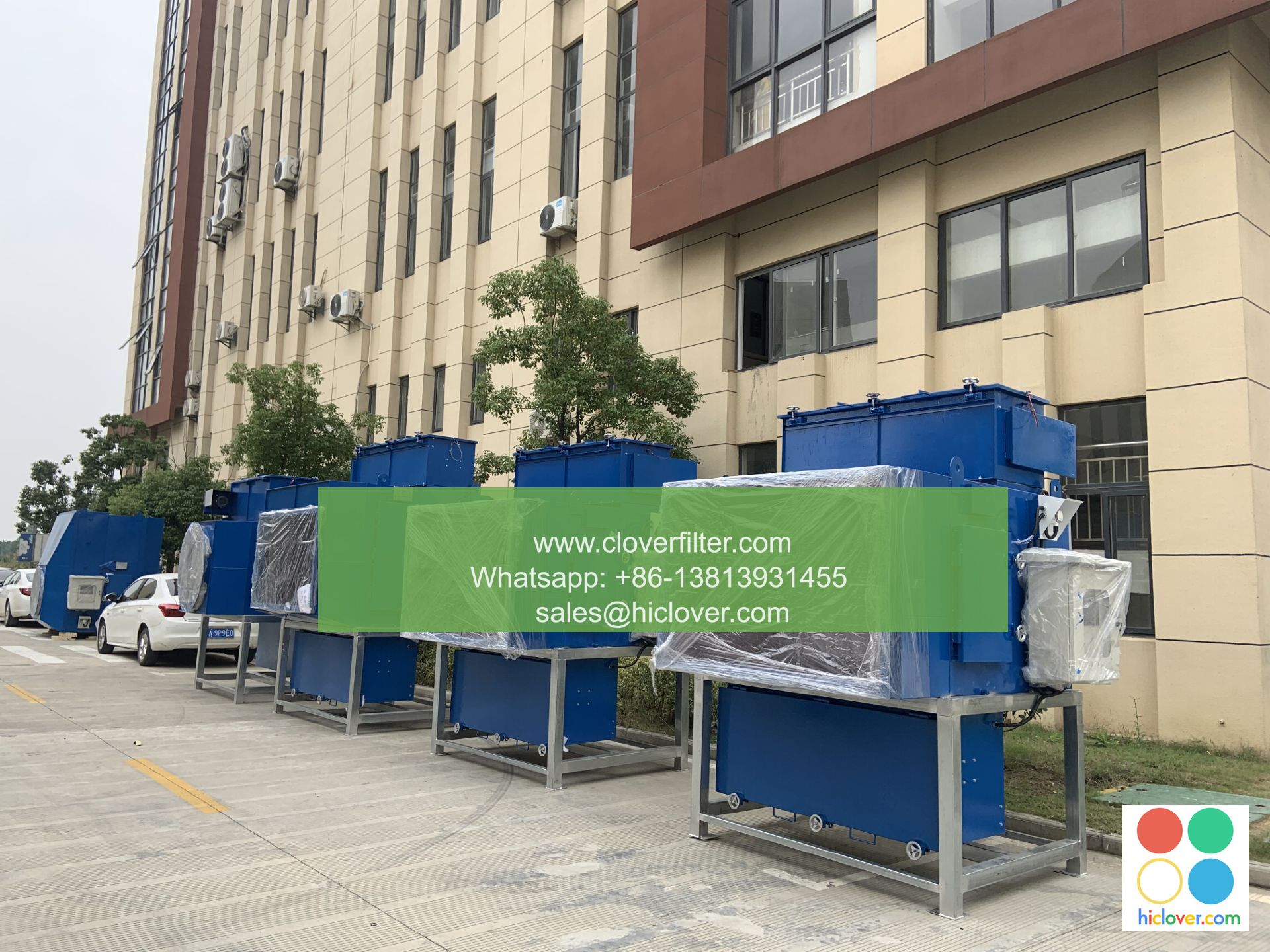
- Key Takeaways:
- Air filter sizes are critical for optimal HVAC system performance.
- The Automatic Roll Air Filter offers innovative, automated media advancement for maintenance reduction.
- Selecting the right air filter size ensures better particulate control and energy savings.
- Understanding differential pressure triggers can enhance filter lifespan.
- Familiarize yourself with compliance standards like ISO 16890 and MERV for better air quality management.
Air filter sizes play a pivotal role in the efficiency and effectiveness of HVAC systems across various industries, such as cleanrooms, data centers, and manufacturing facilities. Selecting the appropriate air filter size not only ensures optimal airflow but also aids in controlling particulate matter and maintaining energy efficiency. The Automatic Roll Air Filter from CloverFilter exemplifies this advancement, providing an innovative solution tailored to meet diverse air filtration needs.

What is an Automatic Roll Air Filter?
An Automatic Roll Air Filter is a state-of-the-art filtration device that utilizes continuous roll media to capture airborne particles effectively. What sets it apart is its roll media advance logic, which facilitates the automatic replacement of the filter media as needed, triggering based on differential pressure. This means that once the accumulated dust reaches a specified threshold, the filter automatically feeds in new media, ensuring continuous airflow and maximum efficiency.
How it Works
- Roll Media Advance Logic: This logic employs advanced sensors that monitor airflow and particle buildup to dictate when the filter media needs to advance.
- Differential Pressure Trigger: The filter utilizes a differential pressure sensor that detects the pressure gradient across the media. When the pressure reaches a setpoint, it signals the system to engage the advance mechanism.
- Timer Mode: The filter can also operate on a timer system, automatically advancing the media at specified intervals, regardless of pressure buildup, providing flexibility in operation.
- Airflow Range: Determine the airflow requirements of your HVAC system to select filters appropriate for the specific application.
- Face Velocity: The speed at which air passes through the filter can affect efficiency; typically, higher velocities can lead to increased particle capture but may raise pressure drop levels.
- Media Width/Length: Customize the filter’s dimensions based on the installation site to ensure it fits snugly, maintaining seal integrity.
- Frame Size: The frame of the filter should match the ductwork dimensions for optimal performance and airflow consistency.
- Control Options: Assess whether a manual or automated control system better suits your operational needs.
- Power Supply: Ensure compatibility with the existing power supply and controls for easy integration.
- Installation Location: Understand whether the filter is meant for fresh air intake, return, or specific processes to ensure it meets operational requirements.
- Forgoing Size Specifications: Always verify the exact air filter sizes needed for your equipment.
- Ignoring Environmental Conditions: Consider environmental dust levels; higher pollution requires more robust filters.
- Underestimating Maintenance Needs: Ensure the filtration system is easy to maintain for long-term reliability.
- Overlook Differences Between Filter Types: Assess specific operational needs when choosing between filter types.
- Neglecting Airflow Directions: Understand the air movement direction in your ductwork to select appropriate filters.
- Failing to Monitor Pressure Drops: Regularly track pressure drops to maintain efficiency and proper function.
- Assuming One Size Fits All: Tailor air filter selections to specific applications and environmental conditions.
-
Data Center: A major tech company installed Automatic Roll Air Filters in their data center to maintain optimal air quality, significantly reducing maintenance downtime and operational costs.
-
Lithium Battery Factory: The factory implemented CloverFilter’s solution to manage combustible dust, ensuring compliance with safety standards while keeping energy use in check.
-
Paint Shop: In a large paint shop, automatic roll media filters have kept volatile organic compounds (VOCs) at bay, improving air quality and worker safety without excessive filter changes.
-
Textile and Cement Plants: A combination of V-banks and roll filters in a textile mill ensured high air quality and reduced energy consumption, vital for maintaining compliance with industry air quality standards.

Automatic Roll Air Filters are ideally suited for HVAC systems and air handling units (AHUs), functioning effectively in fresh air intakes, return air ducts, and specific process applications.
Practical Selection Guide for Air Filter Sizes
Choosing the right air filter size involves several considerations:
Comparison of Air Filter Types
| Filter Type | Best Use Case | Maintenance | Pressure Drop Behavior | Operating Cost | Typical Risk/Downside |
|---|---|---|---|---|---|
| Automatic Roll Air Filter | High dust load environments | Low due to automation | Minimal when maintained | Moderate | Initial cost may be higher |
| Bag Filter | General-purpose applications | Moderate | Moderate with proper sizing | Low | Higher maintenance frequency |
| Panel Filter | Light commercial use | Moderate | Low | Low | Limited particulate control |
| V-bank | Space-constrained situations | Low | Lowest if sized correctly | Low | Reduced air quality if not sized well |
Common Mistakes & How to Avoid Them
Real-World Scenarios
FAQ
Q1: What are air filter sizes, and why are they important?
A1: Air filter sizes refer to the dimensions that fit specific HVAC systems, and choosing the right size is crucial to maintain airflow, energy efficiency, and effective particulate control.
Q2: How do I know what air filter size I need?
A2: Evaluate your system’s airflow requirements, ensuring the filter fits snugly within the designated housing for optimal performance.
Q3: What makes the Automatic Roll Air Filter different from traditional filters?
A3: Its automated media advancement and low maintenance needs distinguish it from conventional filters, enhancing operational efficiency.
Q4: Can Automatic Roll Air Filters be used with existing HVAC systems?
A4: Yes, they are designed for easy integration into most HVAC systems, provided compatibility with size and airflow needs.
Q5: What is the typical lifespan of an Automatic Roll Air Filter?
A5: Depending on environmental conditions and maintenance practices, their lifespan can significantly exceed traditional filter types, typically lasting several months before requiring media replacement.
Q6: Are Automatic Roll Air Filters compliant with industry standards?
A6: While specific certifications may be available upon request, they generally meet or exceed industry frameworks like ISO 16890 and MERV.
Meta Description: Explore our comprehensive guide on air filter sizes, focusing on Automatic Roll Air Filters for effective particulate control and energy efficiency.
At CloverFilter, we pride ourselves on innovative air filtration solutions tailored to meet your specific needs. For more information or personalized recommendations, visit us at CloverFilter today!
It seems like your message was cut off or not fully included. Could you please provide more details or clarify what you’d like to know or discuss? I’m here to help!
