Understanding Air Filter Components: A Comprehensive Guide
Key Takeaways:
- Knowledge of air filter components enhances selection and performance.
- Automatic Roll Air Filters are efficient for maintaining air quality across various applications.
- Understanding airflow range and media types is crucial for optimal filter performance.
- Proper installation points can significantly affect filter lifespan and efficiency.
- Compliance with ISO 16890 and MERV standards can guide filter selection.
- Avoiding common mistakes can lead to maintenance reduction and energy savings.
- Real-world scenarios demonstrate effective applications for advanced air filtration.
- Roll Media Advance Logic: The roll filter operates using a mechanism that automatically dispenses fresh filter media as the used media becomes loaded with particulates.
- Differential Pressure Trigger: The system incorporates a sensor that measures the pressure drop across the filter. When the pressure drop exceeds a specific limit, it signals the actuator to advance the roll media.
- Timer Mode: Some models can be configured to operate on a timer, where the media advances at set intervals, regardless of pressure readings. This flexibility allows for tailored filtration schedules based on application requirements.
- Data centers requiring particulate control for sensitive equipment.
- Battery production facilities where air quality must meet stringent standards.
- Healthcare environments where maintaining sterile conditions is crucial.
- Airflow Range: Choose filters that can handle your system’s required airflow without compromising pressure drop management.
- Face Velocity: The velocity of air passing through the filter can affect filtration efficiency—ensure the face velocity aligns with the intended application.
- Media Width/Length: Ensure the filter dimensions match the installation specifications for optimal fit and performance.
- Frame Size: Standard frames generally come in defined sizes, while custom options are available for unique applications.
- Control Options: Determine whether manual or automated operation fits your facility’s operational structure.
- Power Supply and Installation Location: Choose a design that suits your system’s configuration, whether it’s a fresh air intake, return, or process application.
- Choosing the Wrong Size: Always measure and ensure the selected filter fits the intended space.
- Neglecting Face Velocity: Verify airflow needs to avoid overloading the filter.
- Ignoring Differential Pressure Readings: Regularly monitor pressure drops to prevent system strain.
- Overlooking Maintenance Schedules: Set clear timelines for filter checks based on usage.
- Not Considering Operating Environment: Tailor selections to specific applications, such as cleanrooms versus manufacturing plants.
- Underestimating Filter Quality: Select filters based on performance ratings; don’t just go for price.
- Improper Installation: Ensure seals and frames are correctly fitted to avoid air bypass.
- Forgetting Manufacturer Recommendations: Always consult guidelines provided by manufacturers like CloverFilter.

What Are Air Filter Components?
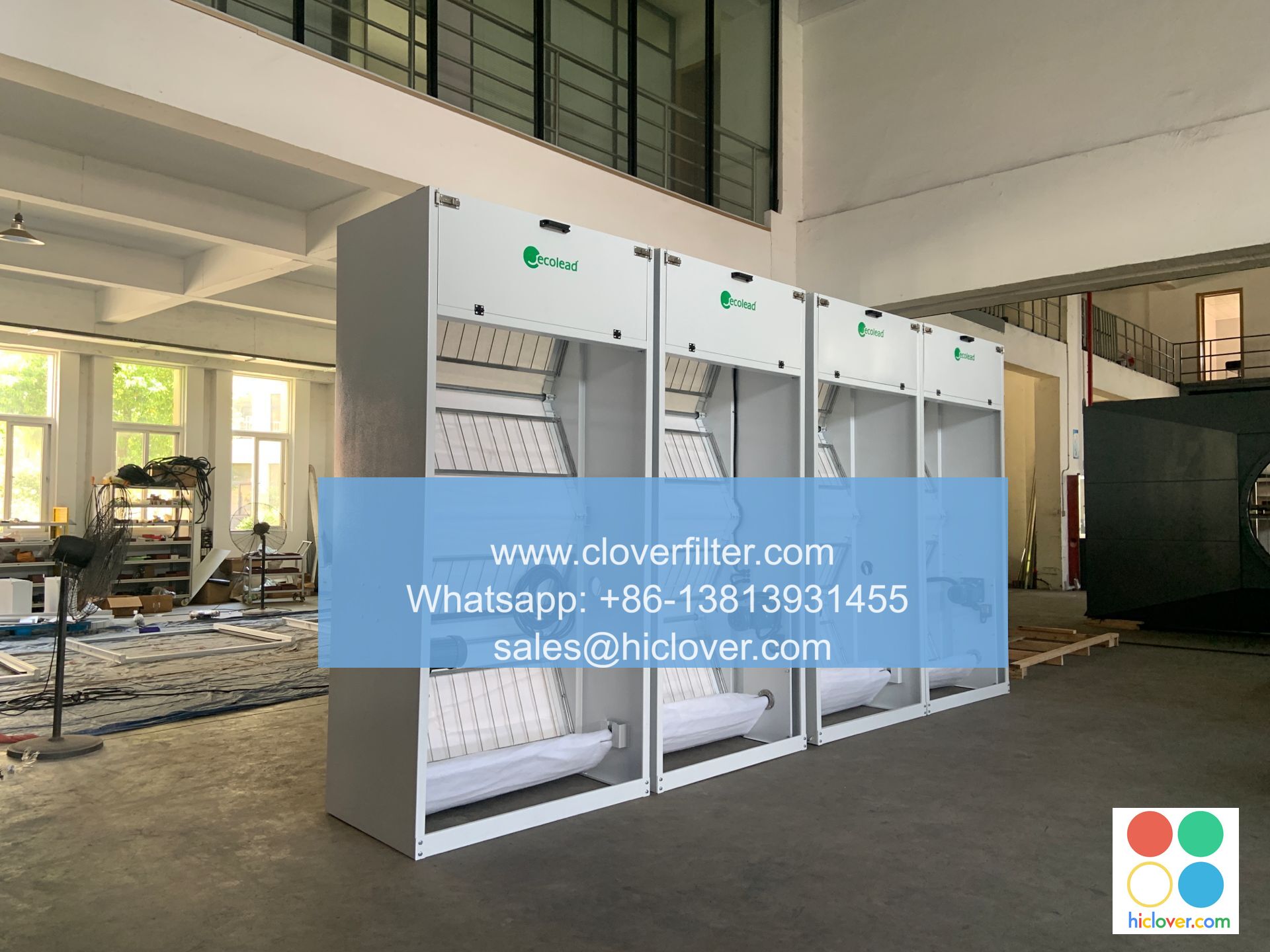
Air filter components play a crucial role in the efficiency and effectiveness of air filtration systems. These components include various media types, frames, seals, and advanced mechanisms that qualify the filter’s performance in different environments, such as factories, cleanrooms, and hospitals. Among these options, the Automatic Roll Air Filter stands out due to its advanced design and ease of maintenance. This guide aims to provide insights into air filter components, how they function, and the best practices for selecting the right filter for your needs.
What is an Automatic Roll Air Filter?
An Automatic Roll Air Filter is designed for continuous air filtration processes in HVAC and Air Handling Units (AHUs). Utilizing roll media, it automatically advances when the differential pressure exceeds a predetermined threshold, signifying that replacement of the filtered media is necessary. This functionality ensures optimal air quality while reducing maintenance tasks.
Mechanics of the Automatic Roll Air Filter
Where Does the Automatic Roll Air Filter Fit?
Automatic Roll Air Filters are particularly suitable for fresh air intakes, AHU prefilters, and make-up air systems. They excel in settings with a need for consistent, high-quality airflow, such as:
For more information about efficient air filtration solutions, visit CloverFilter.
Practical Selection Guide for Air Filter Components
Selecting the right air filter involves understanding specific requirements. Key considerations include:
Air Filter Comparison Table
| Filter Type | Best Use Case | Maintenance | Pressure Drop Behavior | Operating Cost | Typical Risk/Downside |
|---|---|---|---|---|---|
| Automatic Roll Air Filter | High-demand facilities | Low | Stable, manageable | Moderate | Potentially higher initial cost |
| Bag Filter | Moderate airflow requirements | Moderate | Higher than roll filters | Low | Requires more space |
| Panel Filter | General-purpose HVAC systems | High | Moderate to high | Low | More frequent replacement |
| V-bank Filter | Large and industrial air volumes | Moderate | High | Moderate to high | Bulk install complexity |
Common Mistakes & How to Avoid Them
Real-World Scenarios
1. Data Center
In a large data center, the automatic roll air filter maintains critical air quality control. By continuously advancing the media based on differential pressure readings, the facility can keep particulate levels low, protecting sensitive equipment.
2. Battery Factory
At a lithium battery manufacturing plant, air quality is paramount. The automatic roll air filter ensures the environment meets stringent standards by filtering out harmful particulates, therefore contributing to product safety and quality.
3. Paint Shop
In a commercial paint booth, maintaining a clean air environment is essential. The roll filter helps control volatile compounds and dust, allowing for better finish quality and worker safety.
4. Textile and Steel/Cement Plants
In textile and steel/cement manufacturing, the automatic roll air filter optimizes air intake systems, ensuring that harmful particles are filtered out effectively while minimizing operational costs associated with maintenance and energy usage.
Frequently Asked Questions
Q1: What is the lifespan of an Automatic Roll Air Filter?
A1: This can vary based on usage but typically ranges from several months to a year with proper maintenance.
Q2: How does the installation of filters impact HVAC efficiency?
A2: Proper installation maximizes sealing and reduces air bypass, essential for maintaining efficiency.
Q3: Can I install an Automatic Roll Air Filter in smaller systems?
A3: While these filters are ideal for larger systems, they can be adapted for smaller setups with appropriate specifications.
Q4: What are the energy savings associated with advanced air filtration?
A4: Efficient filters can significantly reduce energy costs by optimizing system performance and reducing the need for frequent replacements.
Q5: Are Automatic Roll Air Filters compliant with industry standards?
A5: Compliance may be aligned with ISO 16890 and MERV concepts but specific certifications should be confirmed with manufacturers.
Q6: What factors should influence my filter choice?
A6: Airflow requirements, maintenance capability, operating costs, and the specific expectations of your environment should guide your decision.
Considering the efficiency and effectiveness of air filter components is crucial for any procurement manager or facility engineer. CloverFilter provides advanced solutions tailored to meet diverse industrial requirements. For personalized assistance or inquiries, feel free to reach out through CloverFilter.
Meta Description: Explore our comprehensive guide on air filter components, focusing on the Automatic Roll Air Filter for optimized HVAC performance and maintenance reduction.
It seems like your message cut off. Could you please provide more details about the prompt or question you have in mind? I’m here to help!
