Edmonton Hospital’s Air Quality Solution: The Installation of Automatic Roll Air Filters: A Case Study
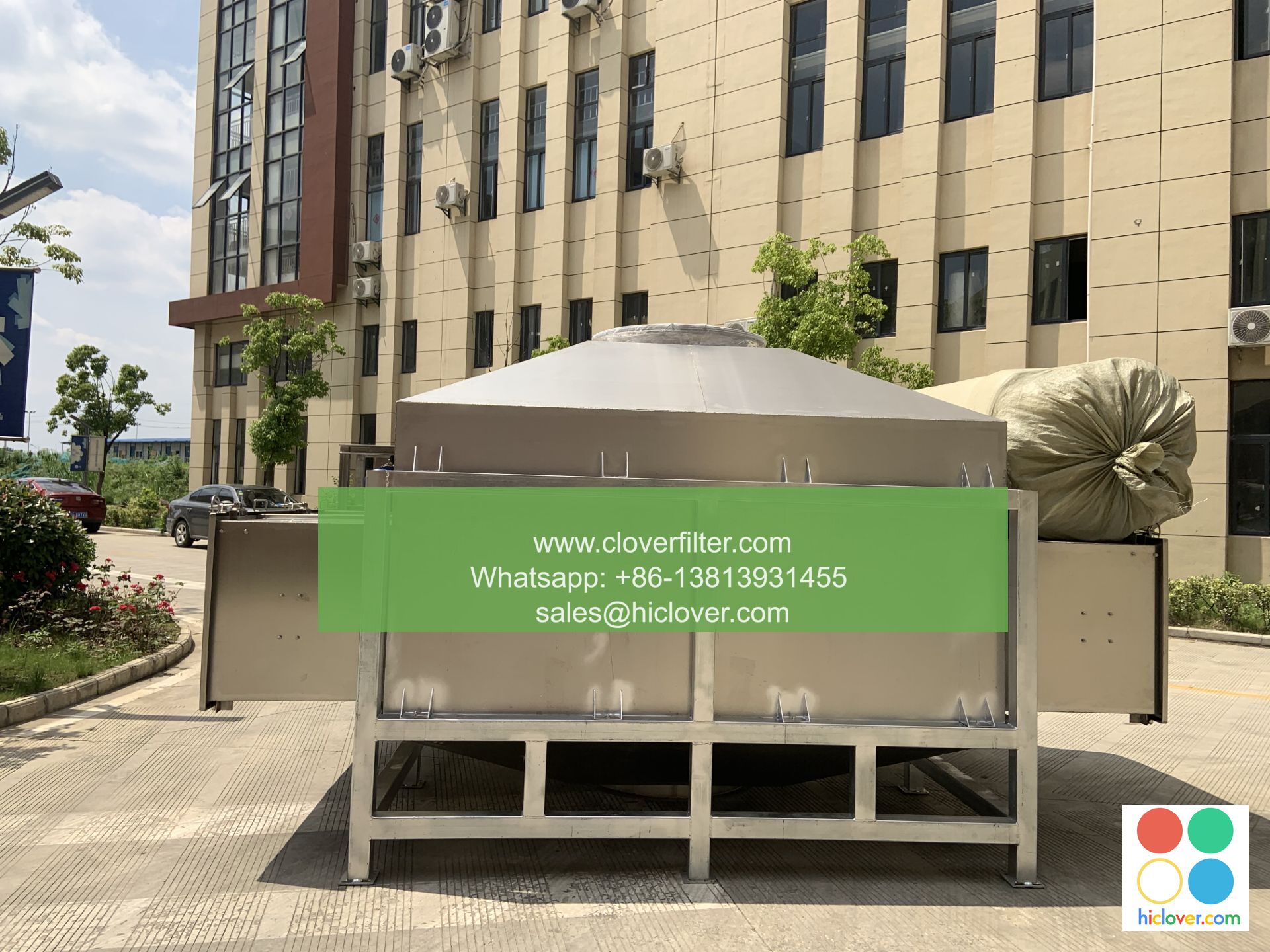
In recent years, maintaining indoor air quality has become a primary concern for healthcare facilities around the world. Hospitals, being high-traffic zones often occupied by vulnerable patients, must ensure that the air remains clean and safe. Edmonton Hospital has recognized the critical need for improved air filtration and has implemented an innovative solution: the installation of automatic roll air filters. This case study delves into the challenges faced, the solutions implemented, and the outcomes realized through this initiative.
Background
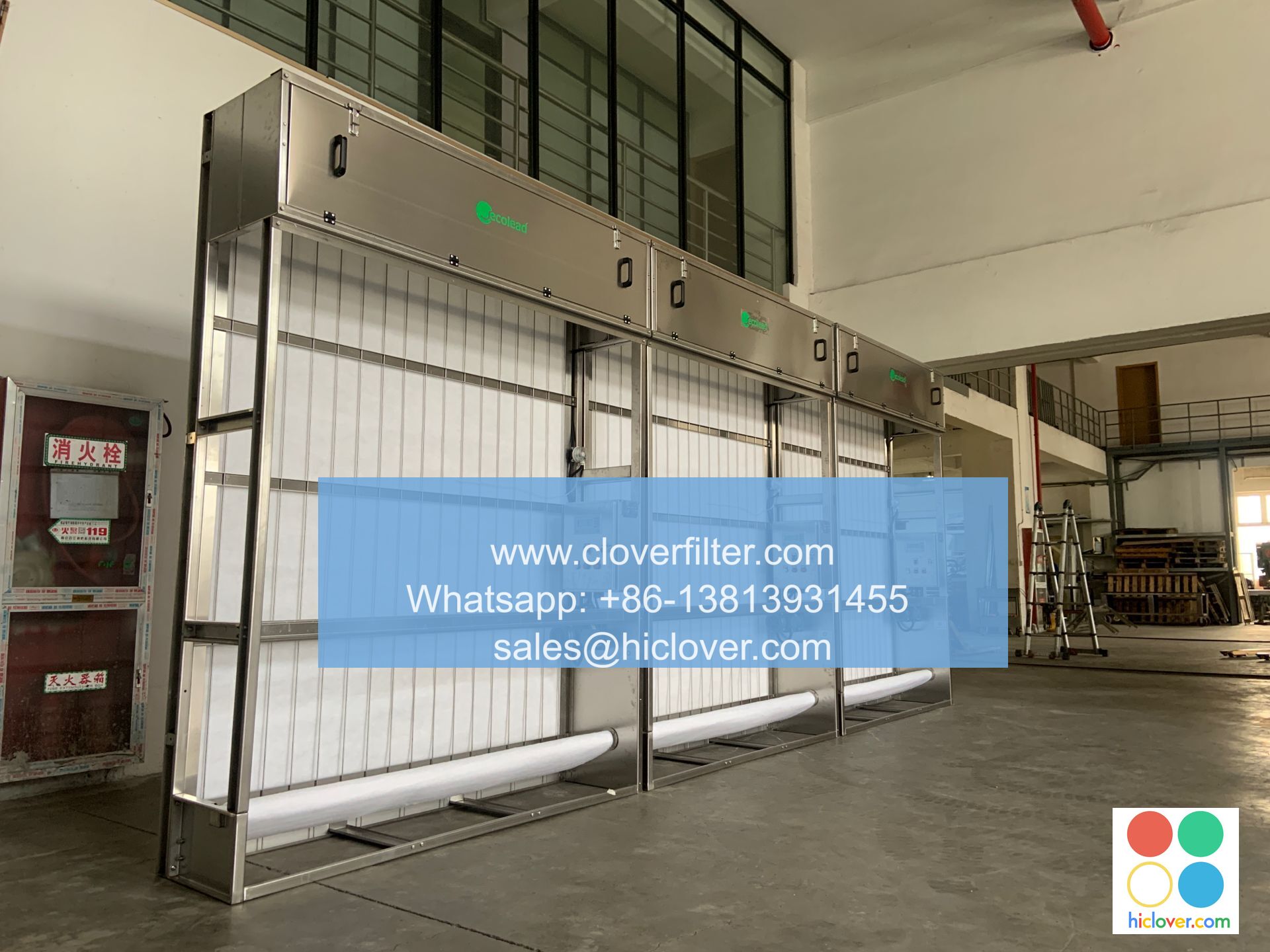
Edmonton Hospital serves a diverse community, with thousands of patients passing through its doors daily. The hospital faced numerous challenges, including air pollutants from outside, varying levels of particulate matter, and the risk of airborne infections. Existing systems were outdated, and the staff struggled to maintain optimal air quality levels. Understanding the importance of air quality for patient safety and comfort, the administration set out to find a robust solution.
Challenges
- Inadequate air filtration systems leading to air quality concerns.
- Difficulty in monitoring and controlling air quality in real-time.
- Inconsistent airflow and filtration efficiency.
- Increased operational costs due to frequent maintenance of the outdated systems.

Solution: Automatic Roll Air Filters
To address these challenges, Edmonton Hospital partnered with a leading HVAC company specializing in advanced air filtration technologies. The solution involved the installation of automatic roll air filters throughout the facility. These filters offer several advantages:
- Efficiency: The automatic roll design allows for continuous filtration without the need for manual replacement, which minimizes downtime.
- Real-time Monitoring: Equipped with sensors, these air filters can monitor air quality, adjusting filtration rates based on detected pollutants.
- Cost-effective: With reduced maintenance requirements and energy consumption, the new system promises long-term savings.
- Improved Air Quality: Enhanced filtration capabilities significantly reduce particulate matter and pathogens in the air.
Implementation
The installation process began with a comprehensive assessment of the hospital’s existing HVAC system. The team worked closely with hospital staff to address any concerns and ensure minimal disruption during the installation.
Once installed, staff received training on how to monitor and operate the new system effectively. The integration of user-friendly technology allowed medical personnel to remain focused on patient care without worrying about the complexities of the filtration system.
Outcomes and Benefits
Following the implementation of automatic roll air filters, the Edmonton Hospital observed marked improvements in air quality metrics. Patient satisfaction scores related to comfort and safety increased significantly. Furthermore, the hospital reported:
- A reduction in airborne pathogens, beneficial for infection control.
- Lower operational costs associated with air quality maintenance.
- Positive feedback from staff regarding the improved indoor environment.
Conclusion
The case of Edmonton Hospital exemplifies the importance of innovative air quality solutions in healthcare settings. The installation of automatic roll air filters not only enhanced the hospital’s air quality but also provided a reliable, cost-effective approach to maintaining a healthy environment for patients and staff alike. As healthcare facilities continue to adapt to the evolving needs of patient care, solutions like this will play a critical role in ensuring safety and comfort.
FAQs
1. What are automatic roll air filters?
Automatic roll air filters are advanced filtration systems designed to provide continuous air filtration without manual replacement, utilizing sensors for real-time monitoring.
2. How do these filters improve air quality?
These filters are capable of removing microscopic particles, allergens, and pathogens from the air, ensuring a cleaner environment.
3. What were the costs associated with the installation?
The initial costs varied based on the size of the facility, but the long-term savings in maintenance and operational efficiency were projected to offset these expenses quickly.
4. Can other healthcare facilities implement similar systems?
Yes, many healthcare facilities can benefit from similar air quality solutions tailored to their specific needs and challenges.
