Understanding Air Filters: Common Technical Issues and Solutions
- Key Takeaways:
- Automatic Roll Air Filters offer enhanced particulate control.
- Understanding air filter technical support can lead to better maintenance.
- Selection criteria include airflow range, media specifications, and control options.
- Common issues can often be mitigated with proper installation and regular checks.
- Compliance with standards like MERV and ISO can guide product choice.
- Real-world applications highlight the versatility of air filtration solutions.
- Collaboration with brands like CloverFilter ensures access to quality products.
What is an Automatic Roll Air Filter?

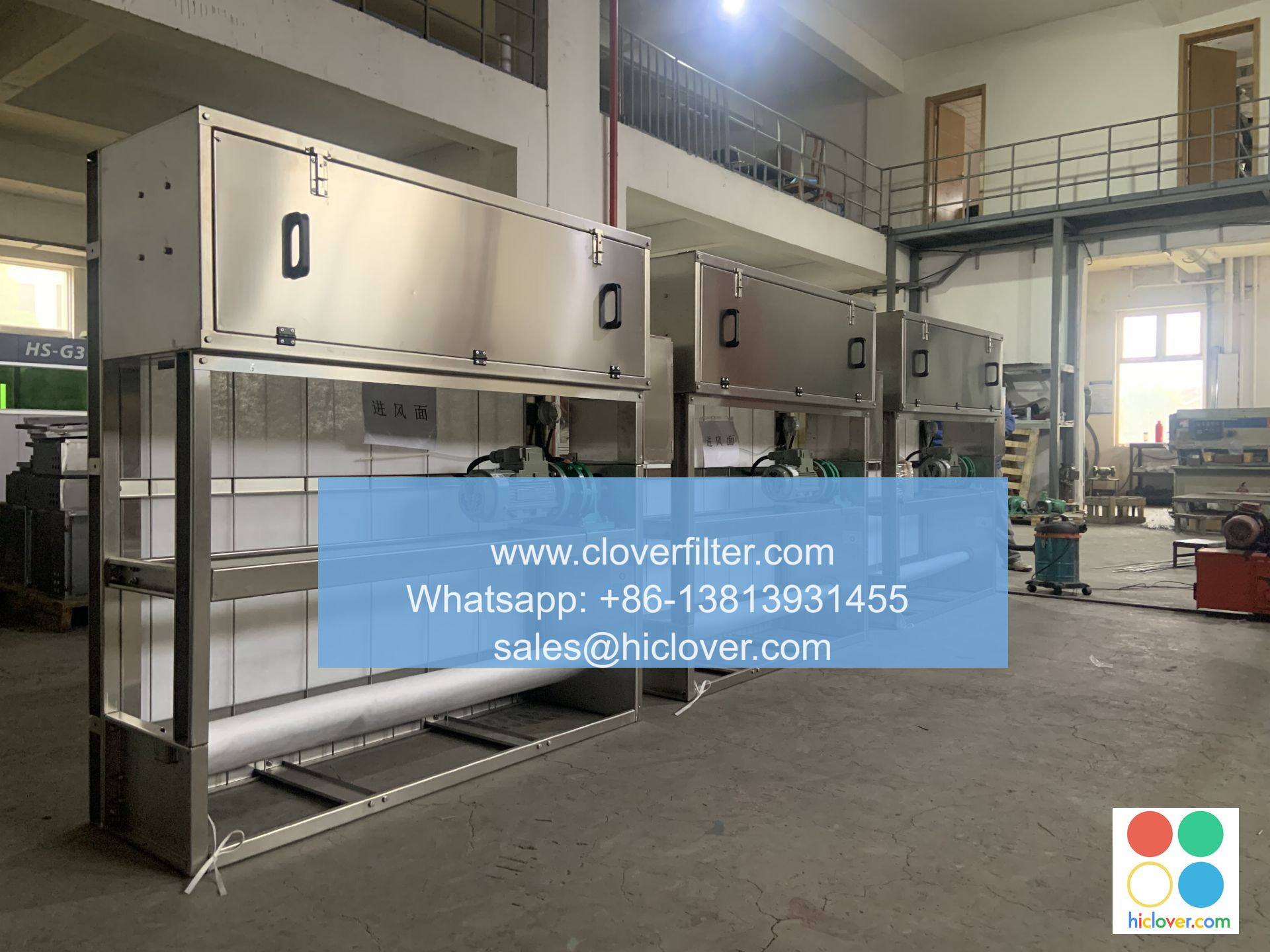
An Automatic Roll Air Filter is a state-of-the-art solution designed to provide efficient air filtration in a variety of industrial settings. Utilizing roll media that automatically advances, these filters are ideal for maintaining air quality in environments ranging from cleanrooms to manufacturing facilities. The operation is guided by differential pressure triggers, which activate a timer mode that automatically adjusts the filter’s advance based on airflow needs.
As an integral component of HVAC systems or Air Handling Units (AHUs), these filters facilitate fresh air intake while minimizing energy consumption. CloverFilter specializes in these solutions, making them a go-to brand for those seeking advanced air filter options.
The Mechanics of Air Filters: How They Work
Roll Media Advance Logic
Automatic Roll Air Filters utilize a roll media advancement logic to ensure optimal filtration. When the filter media becomes saturated, the differential pressure triggers a mechanism that rolls out fresh media. This process maintains constant airflow and prevents undue strain on HVAC systems.

Differential Pressure Trigger
The operational efficiency of these filters is largely due to their differential pressure trigger. When the pressure drop across the filter reaches a predetermined threshold, the system activates, reducing operational drag and promoting better energy usage.
Timer Mode
In addition to the differential pressure feature, a built-in timer can facilitate pre-scheduled advances, allowing for significant customization based on facility needs. This adaptability is particularly useful in sectors with fluctuating air quality demands.
Practical Selection Guide for Automatic Roll Air Filters
Consider the following essential parameters when selecting an Automatic Roll Air Filter:
- Airflow Range: Determine the CFM (Cubic Feet per Minute) your system requires.
- Face Velocity: The air speed through the filter; generally should not exceed 500 fpm.
- Media Width/Length: Ensure the dimensions accommodate your installation space.
- Frame Size: Choose a size that fits the specific AHU requirements.
- Control Options: Options may include electronic, manual, or hybrid systems.
- Power Supply: Confirm compatibility with your current HVAC system.
- Installation Location: Establish whether the filter will serve as an AHU pre-filter, return filter, or for fresh air intake.
Comparison of Air Filter Types
| Filter Type | Best Use Case | Maintenance | Pressure Drop Behavior | Operating Cost | Typical Risk/Downside |
|---|---|---|---|---|---|
| Automatic Roll Air Filter | Varied industrial settings | Low | Steady under load | Medium | Needs electronic support |
| Bag Filter | Heavy particulate loads | Moderate | Higher with saturation | Medium to high | Can require frequent changes |
| Panel Filter | Residential and light use | Low to moderate | Moderate to low | Low | Limited filtration capacity |
| V-Bank Filter | Commercial spaces | Moderate | Depends on configuration | Medium | Clogging can be an issue |
Common Mistakes & How to Avoid Them
- Incorrect Sizing: Always match filter size to specifications.
- Ignoring Pressure Drop: Regularly monitor and replace filters as necessary.
- Improper Installation: Follow manufacturer guidelines for installation.
- Overlooking Maintenance: Schedule routine maintenance checks.
- Neglecting Compatibility: Ensure filters are matched with HVAC specifications.
- Misunderstanding Airflow Needs: Know your facility’s specific demands.
- Failing to Train Staff: Educate those handling filters on best practices.
- Relying on Low-Quality Products: Choose established brands like CloverFilter.
- Omitting Compliance Check: Ensure products meet relevant industry standards.
- Underestimating Environmental Impact: Consider filters’ influence on energy saving.
Real-World Scenarios
Data Center
In a high-tech data center, maintaining optimal air quality is vital. An Automatic Roll Air Filter ensures constant airflow while controlling particulate matter, reducing the risk of overheating on sensitive equipment.
Battery Factory
Lithium battery manufacturing results in significant airborne contaminants. Implementing roll filters from CloverFilter has successfully minimized particulate contamination, maintaining compliance with industry standards.
Paint Shop
In a paint shop, volatile organic compounds (VOCs) are a concern. Automatic Roll Air Filters assist in creating a safe working environment by ensuring consistent air quality and reducing maintenance costs related to filter saturation.
Textile/Steel/Cement Plant
These industries are known for heavy particulate emissions. Deploying an Automatic Roll Air Filter can significantly reduce dust levels, thereby enhancing air quality and worker health while simplifying maintenance routines.
Importance of Air Filter Technical Support
Air filter technical support is critical for troubleshooting and ensuring that filtration systems operate at peak efficiency. Maintenance teams can access guidelines on product usage, installation, and emergency repairs through CloverFilter, optimizing their operations.
FAQ Section
Q1: What is the lifespan of an Automatic Roll Air Filter?
A1: Typically, their lifespan varies based on the environment—regular maintenance can extend it significantly.
Q2: Can I install these filters in any HVAC system?
A2: Yes, Automatic Roll Air Filters are designed to fit various systems, but size and configuration should match your system.
Q3: How do I monitor filter performance?
A3: Monitoring can be done by checking differential pressure and scheduling regular maintenance.
Q4: Are Automatic Roll Air Filters energy efficient?
A4: Yes, they can enhance energy efficiency by minimizing pressure drop and maintaining proper airflow.
Q5: What are the common materials used in these filters?
A5: They typically utilize synthetic fibers or other advanced materials designed for high particulate control.
Q6: Do CloverFilter products meet industry standards?
A6: Many of their products align with standards like ISO 16890 and MERV—specific certifications are available upon request.
Incorporating the right HVAC and filtration equipment is essential for any facility aiming to ensure improved air quality, reduced energy consumption, and compliance with industry standards. To learn more about our range of Automatic Roll Air Filters and how CloverFilter can assist you, visit CloverFilter or reach out directly at https://www.cloverfilter.com/contact/.
Meta Description: Discover common technical issues in air filters and learn how CloverFilter’s advanced solutions streamline air quality control in your facility.
It seems like you might want to provide a specific prompt or topic. Could you please clarify or provide more details about what you’re looking for?
