Understanding HEPA Filters: Testing Standards Explained
Key Takeaways
- HEPA filters are essential in various industrial applications for effective particulate control.
- Automatic Roll Air Filters offer advanced roll media technologies to enhance efficiency in HVAC systems.
- Understanding air filter testing standards ensures proper selection for your specific needs.
- Compliance with industry standards like ISO 16890 enhances filter reliability and performance.
- Regular maintenance schedules are critical for optimal air quality and energy savings.
- Selecting the correct frame size and media dimensions is vital for installation success.
- Real-world scenarios can guide better decision-making for air filtration solutions.
-
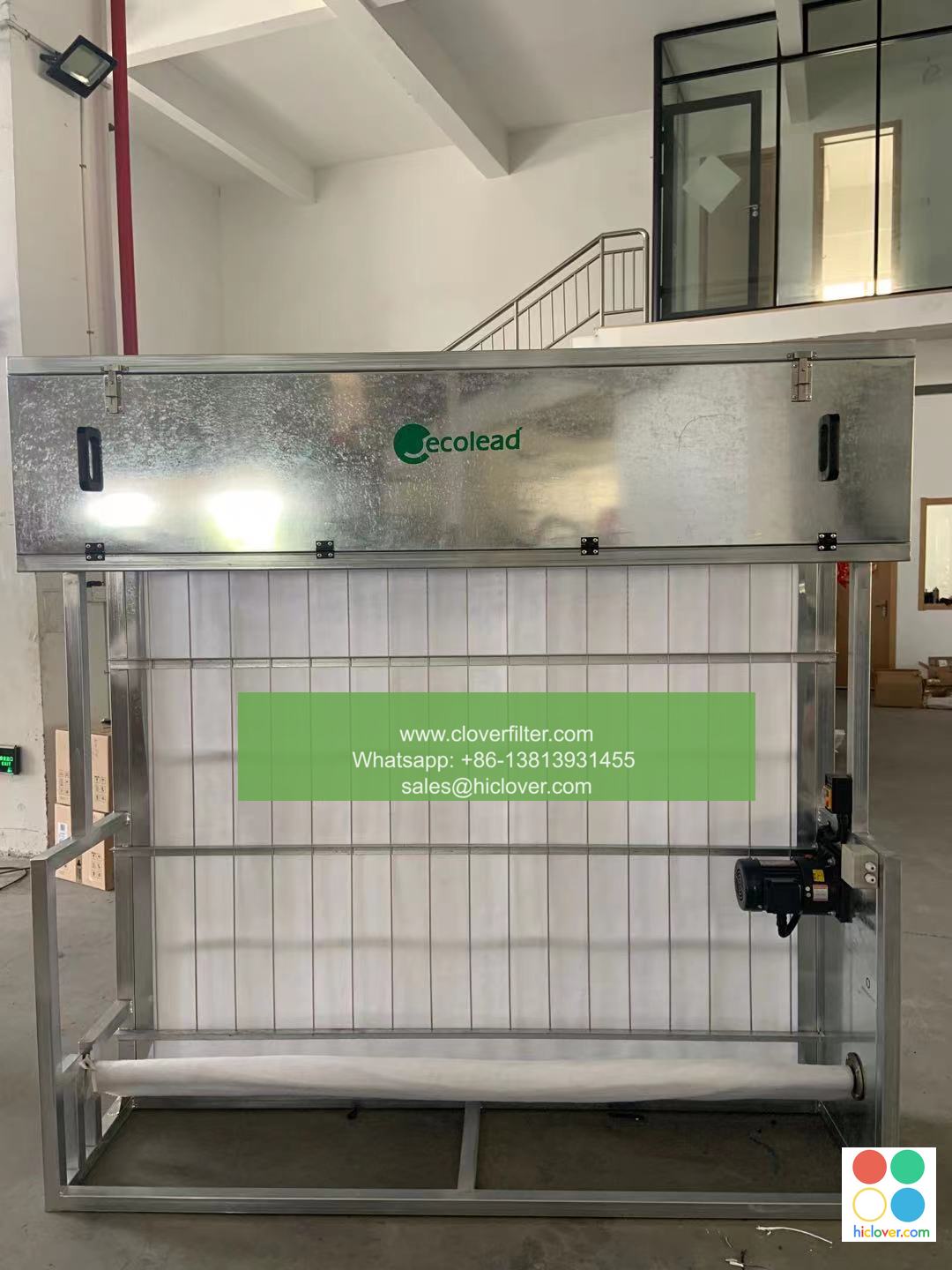
Roll Media Advance Logic: The filter uses a continuous roll of filtration media that gradually advances, ensuring a fresh filter is always in contact with the airflow. This system dramatically extends the filter’s lifespan compared to static filters, as it actively utilizes new media without requiring frequent manual changes.
-
Differential Pressure Trigger: This feature monitors the pressure drop across the filter. When the pressure exceeds a preset limit, the system automatically advances the roll media to maintain optimal airflow while minimizing energy costs.
-
Timer Mode: Users can set a timer for the automatic rolling action, allowing the filtration system to be proactive rather than reactive, which is especially critical in high-demand environments.
-
ISO 16890: This standard evaluates filter performance in terms of particulate matter removal efficiency across various sizes. The results help users select filters that meet specific air quality demands.
-
EU EN 779 Legacy: While newer standards are emerging, the legacy of EN 779 is still influential. It primarily focuses on the ability of filters to capture airborne particles.
-
MERV Rating: The Minimum Efficiency Reporting Value (MERV) system ranks filters based on their ability to remove particles of specific sizes from the air.
-
Airflow Range: Assess the total airflow in cubic feet per minute (CFM) to ensure the filter can handle the system demands.
-
Face Velocity: Determine the desired face velocity, typically ranging from 300 to 600 feet per minute (FPM) for effective filtration.
-
Media Width/Length: The dimensions of the roll media should fit the installation requirements. A common width may be 24 inches or more, depending on the setup.
-
Frame Size: Ensure the frame size matches the installation specifications. Filters should be compatible with existing hardware to avoid air bypass.
-
Control Options: Confirm whether a manual or automatic control system is preferred, as this affects operation efficiency.
-
Power Supply: Evaluate the power needs of the filter system and ensure it can integrate with existing electrical setups.
-
Installation Location: Consider whether the filter will be used in fresh air intake, return, or process applications for focused performance.
- Ignoring system airflow needs: Always evaluate your current airflow in CFM to avoid under or oversizing.
- Selecting incorrect face velocity: Maintain face velocity within optimal ranges to ensure efficacy while minimizing energy costs.
- Neglecting maintenance schedules: Develop a rigid schedule for filter checks and replacements based on usage.
- Choosing low-quality filters: Invest in reliable brands like CloverFilter to ensure performance and longevity.
- Failing to screen for specific pollutants: Customize your filter choice based on environmental conditions (e.g., chemical exposure).
- Inadequate installation: Ensure proper sealing in the installation area to avoid air bypass, which can lead to decreased efficiency.
- Misjudging the importance of control systems: Select appropriate control options that can adapt to changing air quality demands.
-
Data Center: A leading data center implemented CloverFilter’s Automatic Roll Air Filter to maintain optimal air quality, leading to a 20% reduction in energy costs and improved cooling efficiency.
-
Battery Factory: In a lithium battery manufacturing facility, the use of automatic roll media ensured consistent particulate control, reducing downtime related to maintenance while maintaining ISO 16890 compliance.
-
Paint Shop: A manufacturing plant for automotive parts equipped with CloverFilter products saw a significant improvement in air quality during paint application, protecting both the workers and the equipment.
-
Textile/Steel/Cement Plant: An integration of CloverFilter’s filtration solutions allowed a steel mill to meet stringent emissions regulations while reducing overhead from frequent filter changes.
What is an Automatic Roll Air Filter?

An Automatic Roll Air Filter is a sophisticated air filtration solution designed for use in HVAC (Heating, Ventilation, and Air Conditioning) systems. This type of filter utilizes roll media, allowing it to operate effectively across various environments, including factories, data centers, and cleanrooms. The inherent design promotes smoother airflow and facilitates the capture of particulate matter.
How Does It Work?
The functionality of an Automatic Roll Air Filter hinges on a few key mechanisms:
Where Does It Fit in HVAC/AHU Systems?
The Automatic Roll Air Filter is ideal for applications requiring high-efficiency particulate air filter capabilities. It integrates seamlessly into Air Handling Units (AHUs) as both a prefilter and a fine filter in fresh air intakes, guaranteeing superior particle removal performance.
Air Filter Testing: Understanding the Standards
The air filter testing process is paramount when selecting the right filtration system. Standardized testing helps in assessing filter performance and ensuring compliance with industry expectations.
Common Testing Standards
CloverFilter actively engages with these testing frameworks, ensuring that their products, including the Automatic Roll Air Filter, provide reliable performance. Certification details and specific compliance information can be obtained upon request.
Practical Selection Guide for Air Filters
Choosing the right air filter requires careful consideration of several factors:
Comparison of Air Filter Types
| Filter Type | Best Use Case | Maintenance | Pressure Drop Behavior | Operating Cost | Typical Risk/Downside |
|---|---|---|---|---|---|
| Automatic Roll Filter | Data centers, high particulate areas | Minimal | Low to Medium | Moderate to Low | Higher initial cost |
| Bag Filter | General industrial applications | Moderate | Medium | Moderate | Requires space |
| Panel Filter | Small commercial spaces | Low | Low | Low | Quick saturation |
| V-bank | Outdoor and dust-heavy environments | High | Low | High | Needs frequent checks |
Common Mistakes & How to Avoid Them
Real-World Scenarios
FAQ Section
What are HEPA filters?
High-Efficiency Particulate Air (HEPA) filters are designed to capture at least 99.97% of particles as small as 0.3 microns. They are crucial in many industries, including healthcare and manufacturing, for maintaining air quality.
How is the flow rate of an air filter measured?
The flow rate of an air filter is typically measured in cubic feet per minute (CFM), indicating the volume of air that passes through the filter in one minute.
What is the lifespan of an Automatic Roll Air Filter?
The lifespan varies based on use and environmental factors, but with its roll media advance logic, the Automatic Roll Air Filter significantly extends the period between maintenance.
Can I use roll filters in all types of HVAC systems?
While roll filters are versatile, it’s essential to consult with a professional to ensure compatibility with your specific HVAC or AHU setup.
How often should air filters be replaced?
Replacement frequency depends on usage and environment. Regular monitoring and maintaining a schedule based on pressure drop readings are recommended.
Are CloverFilter products certified to any standards?
CloverFilter products comply with industry standards, and while ISO 16890 and MERV rankings are applicable, specific certifications are available upon request.
Where can I learn more about air filtration solutions?
You can contact CloverFilter directly for in-depth consultations or technical specifications regarding their diverse range of filtration products.
Meta Description: Explore HEPA filter testing standards, learn about Automatic Roll Air Filters, and discover practical air filter selection tips for industrial applications.
For tailored air filtration solutions, connect with CloverFilter at CloverFilter Contact.
It seems like you entered “Prompt” but didn’t provide any specific details or questions. Could you please clarify what you would like assistance with? Whether it’s a writing prompt, a question about a specific topic, or something else entirely, I’m here to help!
