Top Signs Your Air Filter Needs Replacement

- Key Takeaways:
- Regularly assess air filter performance to avoid operational inefficiencies.
- Watch for increased energy consumption as a sign of filter issues.
- Consider differential pressure indicators for filter replacement timing.
- Understand the importance of choosing the right air filter services.
- Be aware of the risks related to poor air quality in industrial settings.
- Utilize an Automatic Roll Air Filter to optimize air filtration processes.
- Avoid common maintenance pitfalls to extend filter life.
Understanding the Automatic Roll Air Filter
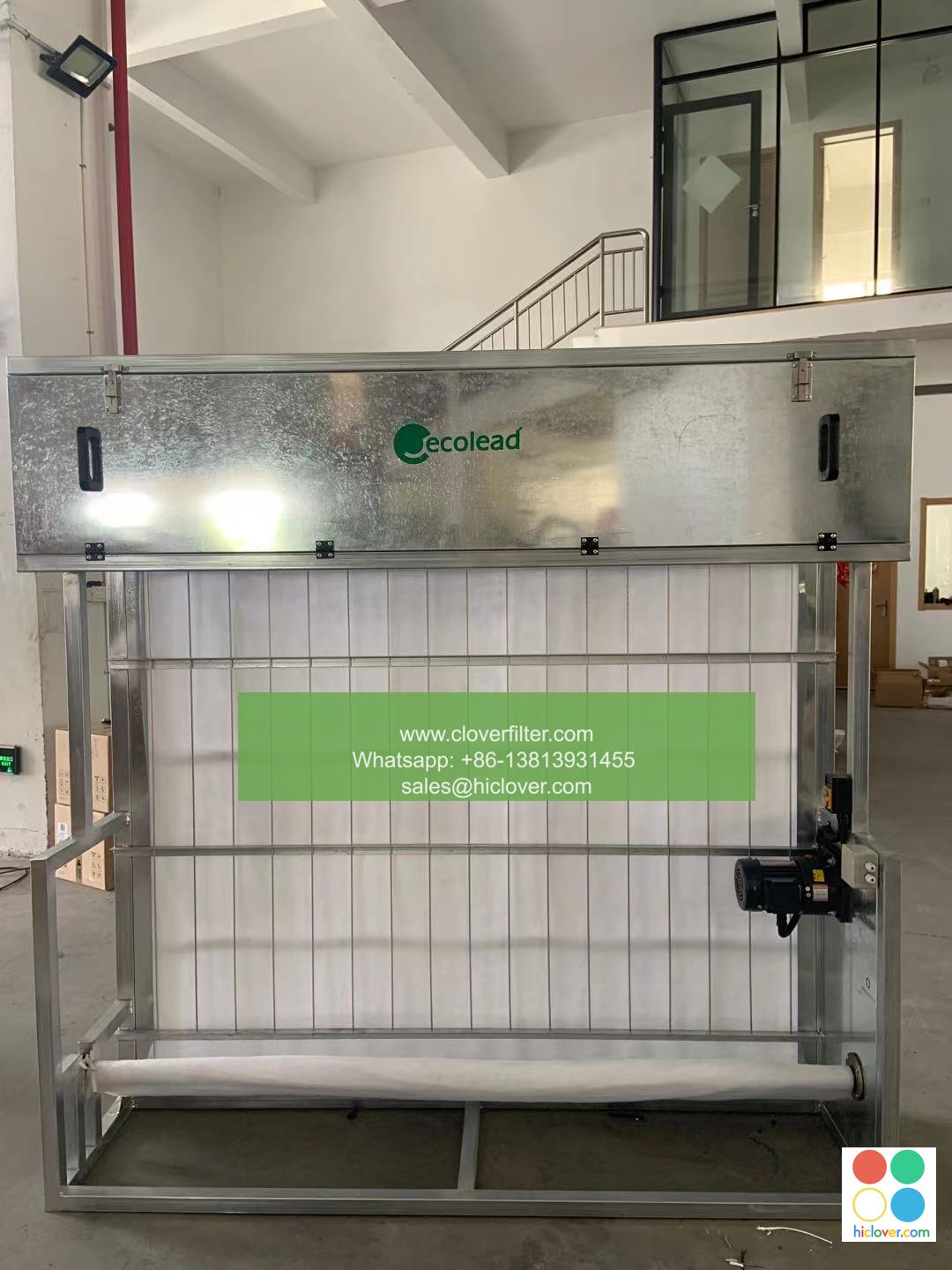
An Automatic Roll Air Filter is a sophisticated air filtration solution designed for various industrial applications. Utilizing a roll media advancement logic, this system automatically advances the filter media based on differential pressure triggers. When the airflow decreases due to particulate loading, the system can switch to a new media, ensuring continuous air quality. It operates on a timer mode, providing proactive air filter services that prevent costly downtimes in HVAC/AHU systems. This makes it an excellent choice for facilities where clean air intake is critical, such as data centers and cleanrooms.
How Automatic Roll Air Filters Fit into HVAC Systems
The Automatic Roll Media is engineered to fit seamlessly within HVAC systems, particularly in areas requiring robust particulate control. Its strategic placement can be at fresh air intake points, return ducts, or specific processes needing clean air. The reduced maintenance requirements associated with this system allow facility managers to channel resources more efficiently without compromising air quality.
Practical Selection Guide for Air Filters
When selecting an air filter, considering the following aspects is essential:

- Airflow Range: Ensure the filter can handle your system’s airflow needs.
- Face Velocity: Optimal velocity is crucial for effective filtration without excessive pressure drops.
- Media Width/Length: Choose dimensions that fit your system while maximizing surface area.
- Frame Size: Ensure compatibility with existing installations to prevent air bypass.
- Control Options: Automatic systems that report pressure differentials provide valuable insights.
- Power Supply: Assess the electrical requirements for installation and operation.
- Installation Location: Determine whether it will be installed at fresh air intake, return ducts, or process areas.
Comparing Different Filter Types
| Filter Type | Best Use Case | Maintenance | Pressure Drop Behavior | Operating Cost | Typical Risk/Downside |
|---|---|---|---|---|---|
| Automatic Roll Air Filter | High particulate loads | Low | Consistent | Moderate | Must monitor differential pressure |
| Bag Filter | General HVAC use | Moderate | Moderate to high | Low | May need frequent replacement |
| Panel Filter | Light-duty applications | High | Low | Low | Short lifespan |
| V-bank Filter | Variable air volumes | Moderate | High | High | Can experience airflow issues |
Common Signs Your Air Filter Needs Replacement
Knowing the signs of an air filter in need of replacement can save time and costs. Here are key indicators:
- Increased Energy Consumption: A spike in energy bills? Airflow restrictions can increase workload on HVAC systems.
- Visible Dirt: If you can see significant debris buildup, it’s time for a replacement.
- Air Quality Decline: An uptick in respiratory issues among occupants indicates a filter problem.
- System Strain: Unusual noise or strain from the HVAC unit can signal that filters are obstructed.
- High Differential Pressure Readings: Regularly check pressure gauges for signs of clogging.
- Timer Alerts: If the system’s timer runs out, the media may need replacement, regardless of visible condition.
- Compliance Issues: If your operation falls out of compliance with industry air quality standards, filters may need immediate attention.
Common Mistakes & How to Avoid Them
- Ignoring Maintenance Schedules: Stick to a routine to avoid excessive debris buildup.
- Overlooking Pressure Indicators: Make sure to check differential pressure regularly.
- Using Incorrect Filter Sizes: Prevent leaks and inefficiency by choosing the right dimensions.
- Neglecting Airflow Restrictions: Ensure there is no obstruction around air intakes or returns.
- Unscheduled Replacements: Monitor filter condition rather than replacing solely based on time intervals.
- Forgetting Compliance Standards: Review your operational requirements with ongoing filter performance.
- Overutilizing Filters: Replace filters before they reach a critical condition to maintain system integrity.
- Ignoring Installation Location: Understand the relationship between filter placement and airflow for optimal performance.
Real-World Scenarios
Data Center
In a data center, air quality is imperative. After implementing an Automatic Roll Air Filter, energy savings were recorded at 15%, while maintaining optimal cooling conditions. The installed differential pressure system alerted managers when filters required replacement, resulting in reduced operational disruptions.
Lithium Battery Factory
A facility manager opted for CloverFilter’s solutions to enhance air quality. By utilizing Automatic Roll Air Filters, the plant drastically minimized contaminants that could hinder sensitive battery production processes. This resulted in higher purity standards and no product recalls related to air quality.
Paint Shop
In a paint booth, maintaining clean air is essential to avoid contamination. By integrating Automatic Roll Air Filters, the shop reduced overspray and improved safety compliance with strict VOC regulations. The management appreciated the ease of maintenance thanks to the filter’s automatic features.
Textile/Cement Plant
A textile mill struggled with high particle loads, affecting productivity. After transitioning to CloverFilter’s Automatic Roll Air Filters, they achieved lower pressure drops and extended maintenance intervals. This switch allowed the facility to focus on production while enjoying energy savings.
FAQ Section
Q1: How often should I replace my air filter?
A1: It depends on usage and particulate load but generally every 3–6 months.
Q2: What is the significance of MERV ratings?
A2: MERV ratings indicate a filter’s effectiveness in trapping particles; higher ratings trap smaller particles.
Q3: Can I clean my air filter instead of replacing it?
A3: Some filters can be cleaned, but most need replacement after a certain period for maximum efficiency.
Q4: How can I tell if my filter is oversized or undersized?
A4: Check for airflow restrictions or gaps that could indicate improper sizing.
Q5: What are the benefits of using automatic roll filters?
A5: They offer lower maintenance needs, consistent performance, and often better energy efficiency.
Q6: Are CloverFilter products compliant with industry standards?
A6: CloverFilter products reference industry standards like ISO 16890 or MERV for guidance and performance benchmarks.
Meta Description: Discover the top signs your air filter needs replacement and how CloverFilter’s Automatic Roll Air Filter can enhance your air filter services.
For efficient air filter solutions tailored for your industrial needs, connect with CloverFilter today at CloverFilter Contact.
It seems like your message might have been cut off. Could you please provide more details or clarify what you’re looking for? Whether it’s a specific prompt, question, or topic you’re interested in, I’d be happy to help!
