Clean Air Initiatives: The Role of Air Filter Workshops
- Key Takeaways:
- Understanding air filter events and their significance.
- The benefits of Automatic Roll Air Filters in industrial settings.
- Key features and functional mechanisms of roll media advance.
- Guidelines for selecting the right air filter for your facility.
- A comparison of different air filter types.
- Common mistakes in air filtration systems and how to prevent them.
- Real-world success stories illustrating the importance of effective filtration.
The Importance of Air Filter Events
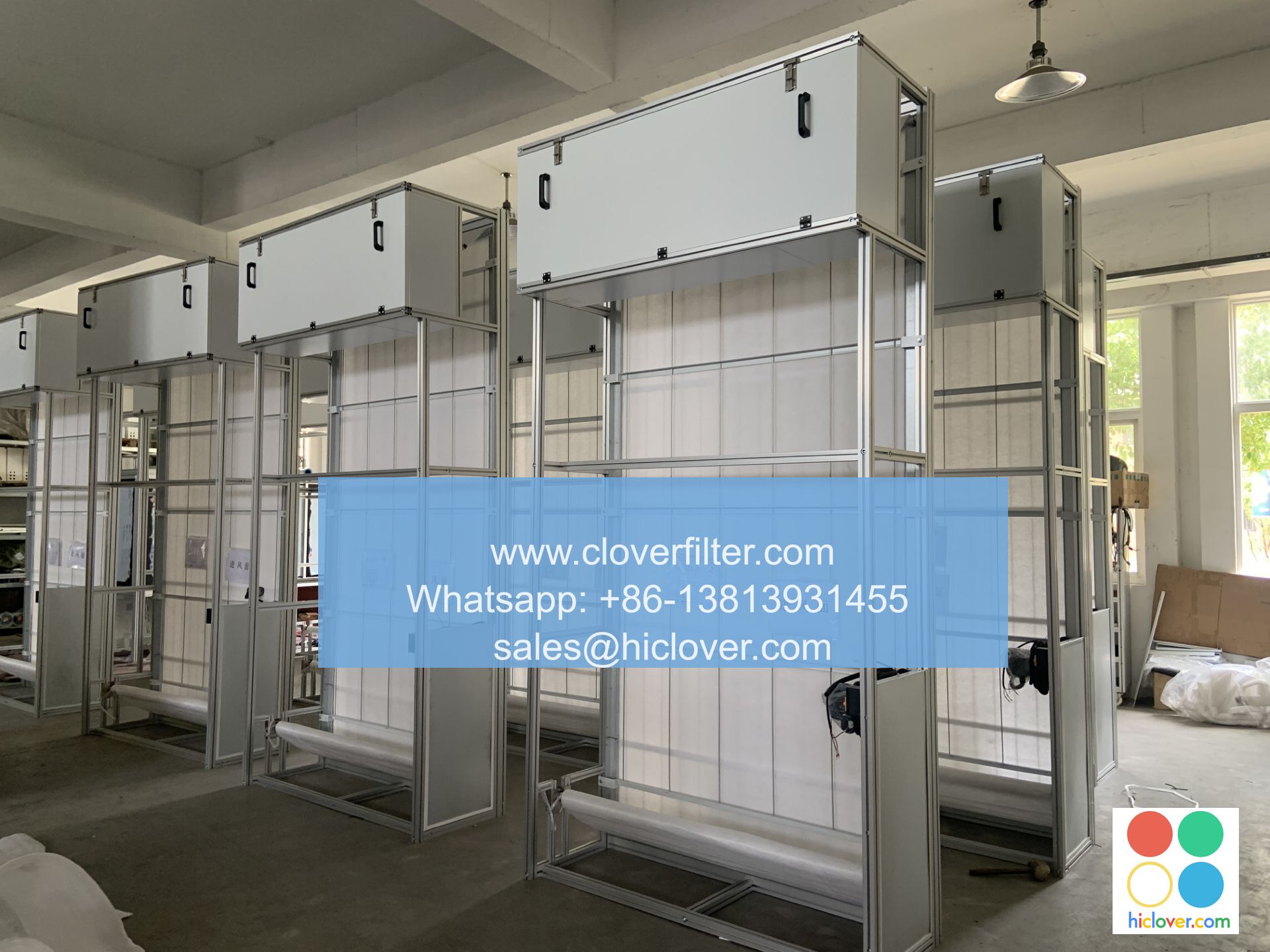
Air filter events are pivotal in promoting clean air initiatives across various industries. They serve as platforms where procurement managers, HVAC engineers, and facility managers can share insights, learn about innovative technologies, and discuss challenges related to air quality. Among the critical products showcased in these events is the Automatic Roll Air Filter, a solution designed for a wide range of applications, from factories to data centers.
What is an Automatic Roll Air Filter?
An Automatic Roll Air Filter is an advanced filtration solution designed to provide continuous and efficient air filtration in HVAC systems. Utilizing a roll media advance logic, this system automatically adjusts the filter media as it becomes loaded with particulates, ensuring consistent performance without requiring frequent manual replacements.
How It Works
The operation of an Automatic Roll Air Filter involves several key components:

-
Roll Media Advance Logic: As the media in the filter becomes saturated with dust and particles, a differential pressure sensor triggers the advanced mechanism to roll out fresh media, allowing for continued airflow without significant disruption.
-
Differential Pressure Trigger: When the pressure drop across the filter exceeds a predetermined threshold, the system activates the roll mechanism. This ensures that the airflow remains optimal, thus maintaining the efficiency of the HVAC system.
-
Timer Mode: Facilities can set the filter to change media after a specific timeframe, optimizing maintenance schedules based on real operational conditions.
This filter can be effectively used at various points in an HVAC/AHU system, including fresh air intakes and return air ducts.
Practical Selection Guide for Automatic Roll Air Filters
Selecting the right Automatic Roll Air Filter requires careful consideration of several parameters:
- Airflow Range: Determine the maximum and minimum airflow requirements based on the facility’s design.
- Face Velocity: Selecting the right face velocity is crucial for effective particulate capture without excessive energy use.
- Media Width/Length: Standard sizes are available, but customization may be needed for specific installations.
- Frame Size: Ensure compatibility with existing HVAC ducts and systems.
- Control Options: Evaluate automation features that fit your facility’s operational needs.
- Power Supply: Check the available power sources for the filter system.
- Installation Location: Decide whether the filter will be used at the fresh air intake, return, or in-process for optimal performance.
Comparison of Air Filter Types
| Filter Type | Best Use Case | Maintenance | Pressure Drop Behavior | Operating Cost | Typical Risk/Downside |
|---|---|---|---|---|---|
| Automatic Roll Filter | Continuous high-load applications | Low | Stable with timely changes | Moderate | Initial investment |
| Bag Filter | High particulate environments | Moderate | Higher at saturation | Low | More frequent change outs |
| Panel Filter | General use at lower capacities | High | Consistent, usually stable | Low | Short lifespan |
| V-Bank Filter | High air quality requirements | Moderate | Varies with design | Moderate | Space constraints |
Common Mistakes & How to Avoid Them
- Neglecting Differential Pressure Monitoring: Always monitor pressure drops to maintain filtration efficacy.
- Improper Media Selection: Choose the right media based on the specific particulate you need to control.
- Inadequate Maintenance Schedules: Regular checks can prevent performance drops.
- Ignoring Energy Consumption: Assess energy costs versus efficiency to make informed choices.
- Inadequate Inspections Before Replacement: Examine filter conditions periodically, rather than waiting until they are saturated.
- Overlooking Compliance Standards: Stay updated on standards like ISO 16890 and MERV for proper filtration.
- Not Communicating Needs Clearly: Clearly communicate requirements to suppliers to avoid mismatches.
- Neglecting Installation Guidelines: Follow manufacturer installation guidelines to optimize performance.
- Assuming One Size Fits All: Understand that each application may require specific configurations.
- Failing to Train Staff: Ensure operational staff are trained in effective filter usage and maintenance.
Real-World Scenarios
-
Data Center: Implementing the Automatic Roll Air Filter has dramatically reduced downtime due to dust accumulation on sensitive equipment, maintaining optimal operational conditions.
-
Lithium Battery Factory: Air filtration is crucial in preventing combustible dust explosions. The roll filter prevents particulates from building up around sensitive operating environments.
-
Paint Shop: Effective particulate control minimizes overspray and maintains air quality, directly impacting product finish quality and worker health.
-
Textile/Steel/Cement Plants: Efficient air filters reduce maintenance and energy costs, helping to uphold compliance with industrial air quality standards while maintaining productivity.
FAQ Section
Q1: What is the lifespan of an Automatic Roll Air Filter?
A1: The lifespan varies based on air quality and usage but generally lasts longer than traditional filters due to its automated rolling mechanism.
Q2: How often should I check the filter’s differential pressure?
A2: It’s recommended to check the differential pressure at least once a month or whenever you notice a drop in system performance.
Q3: Can the Automatic Roll Air Filter handle varying airflow conditions?
A3: Yes, it is designed to adapt to changing airflow requirements without sacrificing efficiency.
Q4: Is training required for maintenance staff?
A4: Yes, it is essential to train staff in correctly operating and maintaining the filter system.
Q5: Are Automatic Roll Air Filters compliant with industry standards?
A5: They meet general industry frameworks like ISO 16890; specific certificates are available upon request.
Q6: Where can I purchase Automatic Roll Air Filters?
A6: You can learn more about purchasing options at CloverFilter, a trusted provider in air filtration solutions.
Conclusion
Air filter events are crucial for industries focused on clean air initiatives. For facilities requiring efficient and effective air filtration, the Automatic Roll Air Filter by CloverFilter stands out as a reliable solution. Its advanced technology and compatibility with various HVAC systems ensure maintained air quality and operational efficiency. Don’t compromise on air quality—primary air filtration solutions like CloverFilter are here to help.
Meta Description: Discover the importance of air filter events in promoting clean air initiatives and learn how CloverFilter’s Automatic Roll Air Filters enhance HVAC efficiency.
For superior air filtration solutions, connect with CloverFilter here. Explore our innovations and ensure your facility meets all its air quality needs.
It looks like you may be looking for a prompt, but there isn’t much context. Could you please provide more details about what kind of prompt you’re interested in? For example, are you looking for writing prompts, creative story ideas, discussion topics, or something else entirely?
