The Science Behind Automatic Roll Air Filters: Understanding Their Impact on Cleanrooms
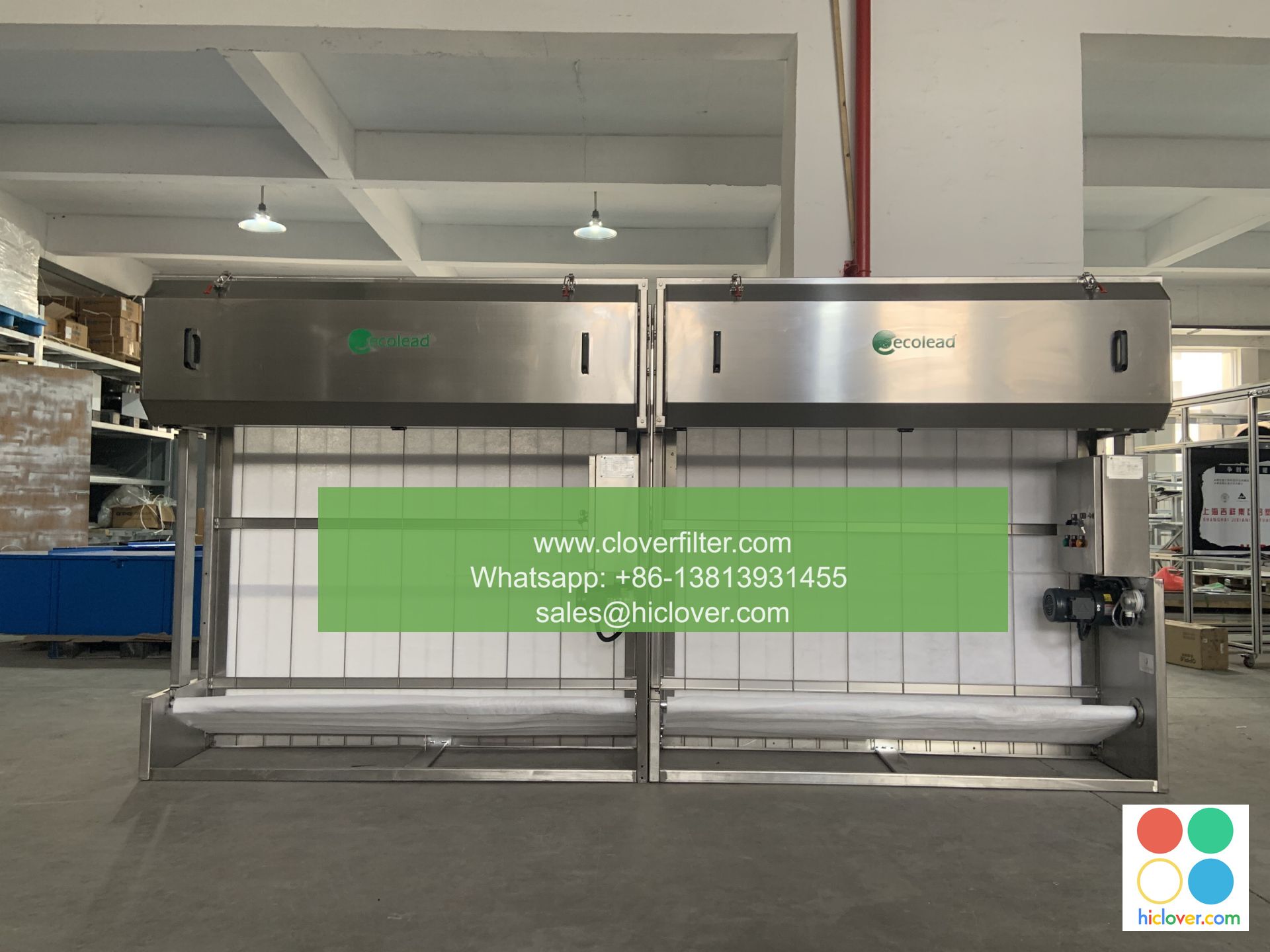
In industries where cleanliness is paramount, such as pharmaceuticals, semiconductors, and biotechnology, maintaining an ultra-clean environment is critical. Automatic roll air filters have emerged as a revolutionary solution for ensuring optimal air quality in cleanrooms. This article explores the science behind roll air filters and their significant impact on cleanroom environments.
Understanding Automatic Roll Air Filters
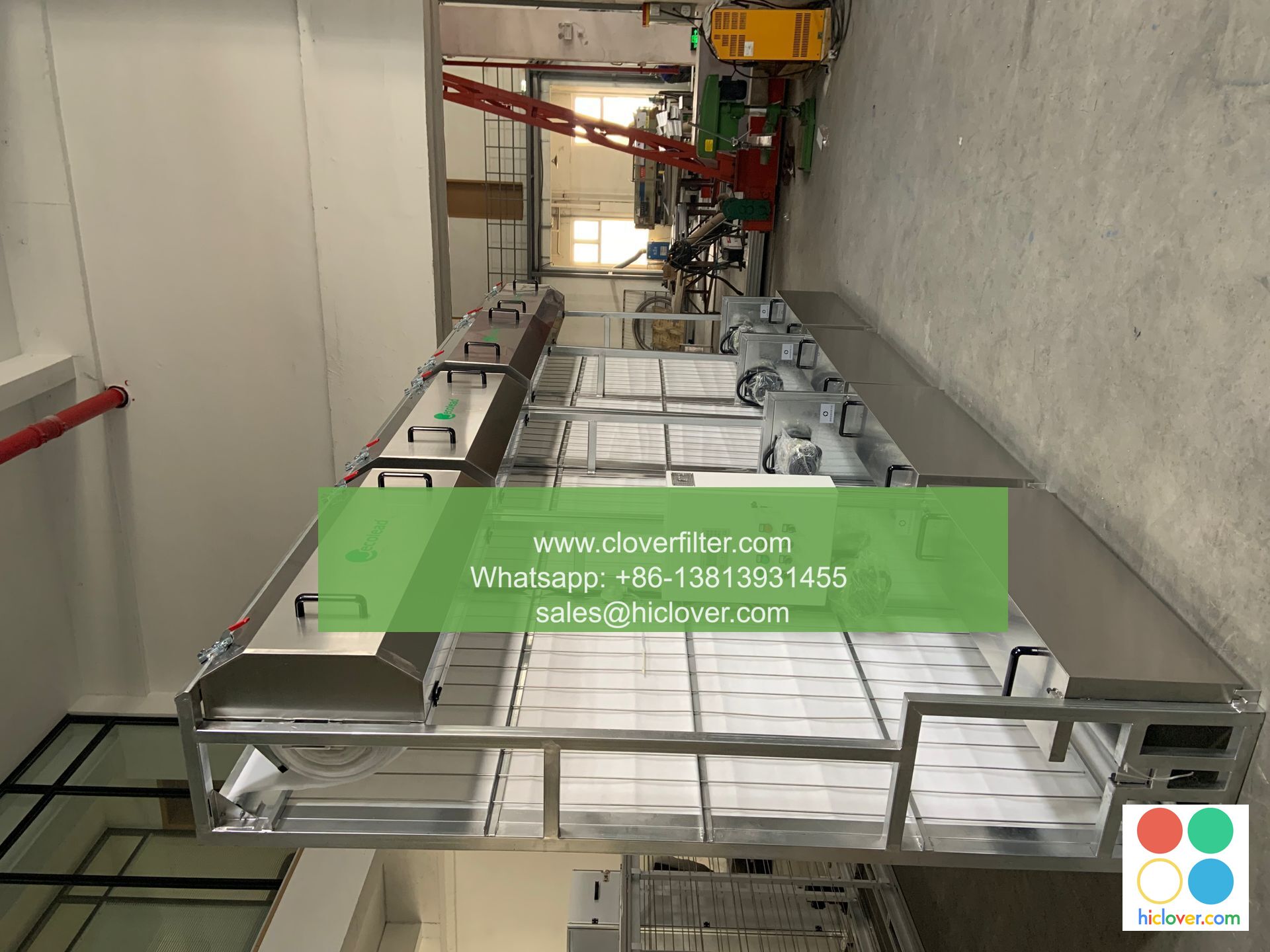
Automatic roll air filters use a continuous roll of HEPA or ULPA filter material that rotates through a filtration system. As air is drawn into the cleanroom, the system captures particulate matter, including dust, bacteria, and viruses. This innovative design allows for efficient and consistent air purification, minimizing downtime associated with filter changes.
Key Features of Automatic Roll Air Filters
Automatic roll air filters boast several key features that set them apart from traditional filter systems:
- Efficiency: The continuous roll design ensures a larger filtration area, resulting in higher efficiency in capturing airborne contaminants.
- Auto-Advancement: The automated mechanism allows for seamless movement of the filter material, reducing manual intervention and labor costs.
- Filter Replacement: With automatic roll filters, the depletion of filter material can be monitored, enabling preemptive replacement before any degradation in performance occurs.

Impact on Cleanroom Environments
The use of automatic roll air filters can significantly enhance the overall air quality in cleanrooms, which is crucial for various applications. Here’s how they make an impact:
1. Pharmaceutical Manufacturing
In pharmaceutical manufacturing, any contamination can lead to product failure and pose health risks. Automatic roll air filters ensure that airborne particles are consistently kept at bay, maintaining sterility throughout the production process.
2. Semiconductor Fabrication
The semiconductor industry requires exceptionally clean environments for the fabrication of microchips. Automatic roll air filters help control particulate contamination, essential for the advanced lithography processes used in chip production.
3. Biotechnology Research
In biotechnology labs, air quality is crucial for research and development. The implementation of automatic roll filters contributes to maintaining air purity, protecting sensitive biological materials and experiments from contamination.
4. Food and Beverage Production
Clean air is essential in food processing environments to prevent microbial growth and maintain product safety. Automatic roll air filters aid in keeping these areas free from contaminants, ensuring compliance with health regulations.
Energy Efficiency and Cost-Effectiveness
Another notable benefit of automatic roll air filters is their energy efficiency. Traditional filters often require frequent replacements and can lead to increased energy costs due to back pressure. In contrast, the automatic systems optimize airflow, thereby reducing operational costs and energy consumption.
Conclusion
The science behind automatic roll air filters showcases their indispensable role in maintaining clean environments across various industries. By understanding their functionality and applications, businesses can enhance their air quality management practices, ultimately leading to improved product quality and safety. Investing in these advanced filtration systems is not just an operational improvement but a commitment to excellence in cleanroom management.
