The Impact of Climate on Air Filter Lifespan
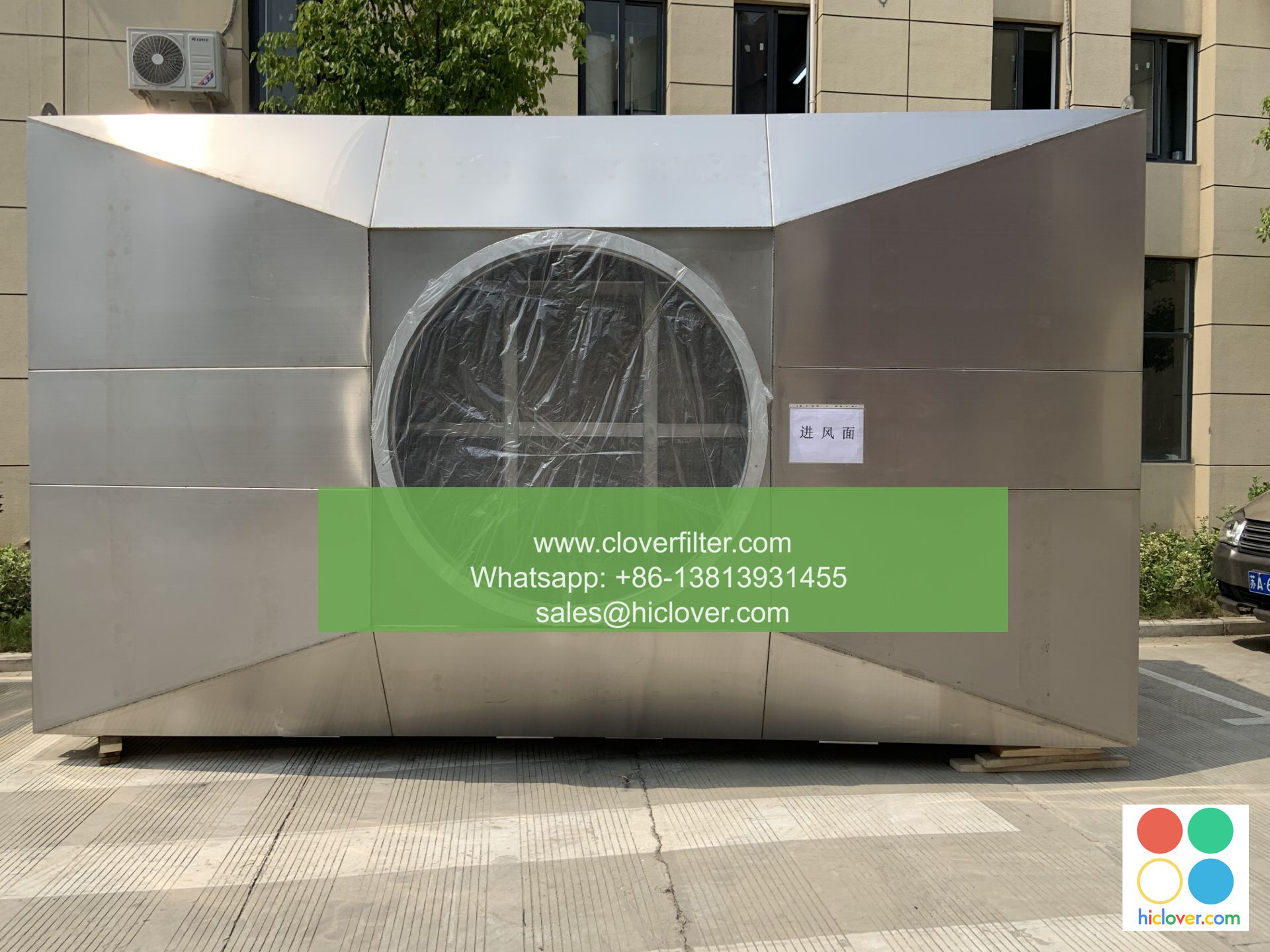
Key Takeaways:
- Climate significantly impacts air filter lifespan and performance.
- Automatic Roll Air Filter enhances efficiency with its advanced roll media technology.
- Maintenance frequency can be reduced with superior particle control.
- Filters can suffer from premature failure if not matched to the environment.
- Understanding local climate conditions aids in better procurement decisions.
- Roll Media Advance Logic: This system allows for continuous filtration as the media rolls forward, minimizing the effects of clogging.
- Differential Pressure Trigger: A built-in sensor monitors pressure changes to determine when the media needs to be advanced, optimizing filter efficiency.
- Timer Mode: This feature allows for time-based control, ensuring filters maintain optimal performance, especially in environments with fluctuating workloads.
- Airflow Range: Ensure the filter can handle your system’s airflow requirements.
- Face Velocity: Determine the correct face velocity for optimal performance in your system.
- Media Width/Length: Measure the available space in your installation site.
- Frame Size: Select a frame size that fits your existing HVAC design.
- Control Options: Decide on manual vs. automated control for filter management.
- Power Supply: Consider the availability of power supply for automated systems.
- Installation Location: Determine whether the filter will be placed at fresh air intake, return, or process locations.
- Selecting filters with inappropriate MERV ratings for specific applications.
- Overlooking humidity and temperature effects on air filters.
- Skipping regular maintenance checks, which can lead to overspending.
- Not factoring in the unique dust types and particles present in different industries.
- Ignoring the need for energy-saving technology, leading to higher operating costs.
- Underestimating the importance of proper filter sizing.
- Overcommitting to a single solution without exploring alternatives.
- Forgetting to train staff on optimal filter management and changes.
- Assuming all filter technologies perform equally across varied climates.
- Neglecting local regulations and standards for air quality control.

Understanding Air Filter Lifespan
The air filter lifespan is a crucial factor for procurement managers and facility operators in various industries, from data centers to textile mills. Understanding how climate affects air filters is essential in optimizing performance and ensuring particulate control. Filters operate in various environments where temperature, humidity, and pollutants can either extend or shorten their functional lifespan. Selecting the right air filter, such as the Automatic Roll Air Filter from CloverFilter, can enhance your HVAC system’s efficiency and longevity.

What is an Automatic Roll Air Filter?
An Automatic Roll Air Filter is an innovative filtration solution that utilizes a roll media advance logic design. This system continuously feeds new filter media into the airflow, reducing the need for manual changes and ensuring optimal performance. When air passing through the filter builds up a certain differential pressure, the filter automatically advances the roll, activating the timer mode that maintains effectiveness over time. This type of system is particularly beneficial for HVAC and air handling units (AHUs) in environments where air quality is paramount.
How Automatic Roll Air Filters Work
The mechanics behind Automatic Roll Air Filters involve a few key features:
The Automatic Roll Air Filter fits seamlessly into HVAC/AHU systems where continuous filtration is critical, particularly in facilities requiring a stringent level of particulate control.
Selecting the Right Filter
When choosing an air filter for your facility, consider the following factors:
Comparison Table of Filter Types
| Filter Type | Best Use Case | Maintenance | Pressure Drop Behavior | Operating Cost | Typical Risk/Downside |
|---|---|---|---|---|---|
| Automatic Roll Air Filter | High-traffic environments needing constant filtration | Low | Gradual increase | Moderate | Complex installation and initial cost |
| Bag Filter | General-purpose HVAC | Moderate | Moderate increase | Moderate | Limited airflow capacity |
| Panel Filter | Economical for light-duty applications | High | Quick clogging | Low | Frequent replacements needed |
| V-bank Filter | Space-constrained applications | High | High initial pressure drop | Moderate to High | Limited efficiency at high loads |
Common Mistakes & How to Avoid Them
Real-World Scenarios
1. Data Center:
In a data center, consistent air quality control is essential. An Automatic Roll Air Filter helps maintain optimal temperatures and reduces dust build-up on sensitive equipment.
2. Lithium Battery Factory:
This facility requires strict particulate control to ensure product safety. The CloverFilter Automatic Roll Air Filter significantly extends filter lifespan while maintaining low pressure drops.
3. Paint Shop:
With various airborne chemicals, a robust filtration system is crucial. Utilizing the Automatic Roll Air Filter helps capture small particulate matter efficiently, which is vital in protecting both workers and product quality.
4. Textile/Cement Plant:
High dust levels challenge operational efficiency. The Automatic Roll Air Filter’s design enables longer service intervals, thus reducing maintenance times and energy costs.
FAQ
Q1: What affects air filter lifespan?
A: Air filter lifespan can be significantly affected by environmental conditions such as temperature, humidity, and the presence of airborne contaminants.
Q2: How often should filters be changed?
A: Ideally, filters should be checked monthly, but with an Automatic Roll Air Filter, you can extend the time based on pressure drop indicators.
Q3: Are there specific filters for different industries?
A: Yes, various industries may have unique requirements that necessitate specific types of filters to ensure optimal performance.
Q4: What is MERV, and why is it important?
A: MERV stands for Minimum Efficiency Reporting Value, which indicates how efficiently a filter removes particles. Higher MERV ratings typically mean better filtration but can affect airflow.
Q5: Can filters contribute to energy savings?
A: Yes, using filters that minimize pressure drop can lead to lower energy costs in HVAC systems.
Q6: What are the signs of filter failure?
A: Common signs include increased energy usage, noticeable odors, reduced airflow, or visible dust around vents.
Compliance Standards
When considering the implications of air filtration, it’s important to note general industry frameworks such as ISO 16890 and the legacy standards of EN 779 and MERV. These serve as guidelines for achieving effective particulate control, although CloverFilter products are not specifically certified unless stated as “available on request.”
In summary, effective air filtration is a necessity in today’s industrial landscape, with climate being a key element in determining air filter lifespan. Choosing an Automated Roll Air Filter from CloverFilter not only boosts efficiency but also extends longevity through advanced technology.
Meta Description: Discover how climate impacts air filter lifespan and how CloverFilter’s Automatic Roll Air Filter can enhance efficiency and reduce maintenance costs.
For tailored solutions and additional information about CloverFilter products, please visit CloverFilter Contact Page.
It looks like you might be looking for a prompt or a topic to discuss or write about. Could you please provide more details about what you’re interested in? For example, are you looking for creative writing prompts, discussion topics, or something else? Let me know!
