The Future of Indoor Air Quality: Breakthroughs in Air Filtration Systems
- Key Takeaways:
- Air filter innovation is driving efficiency and effectiveness in indoor air quality.
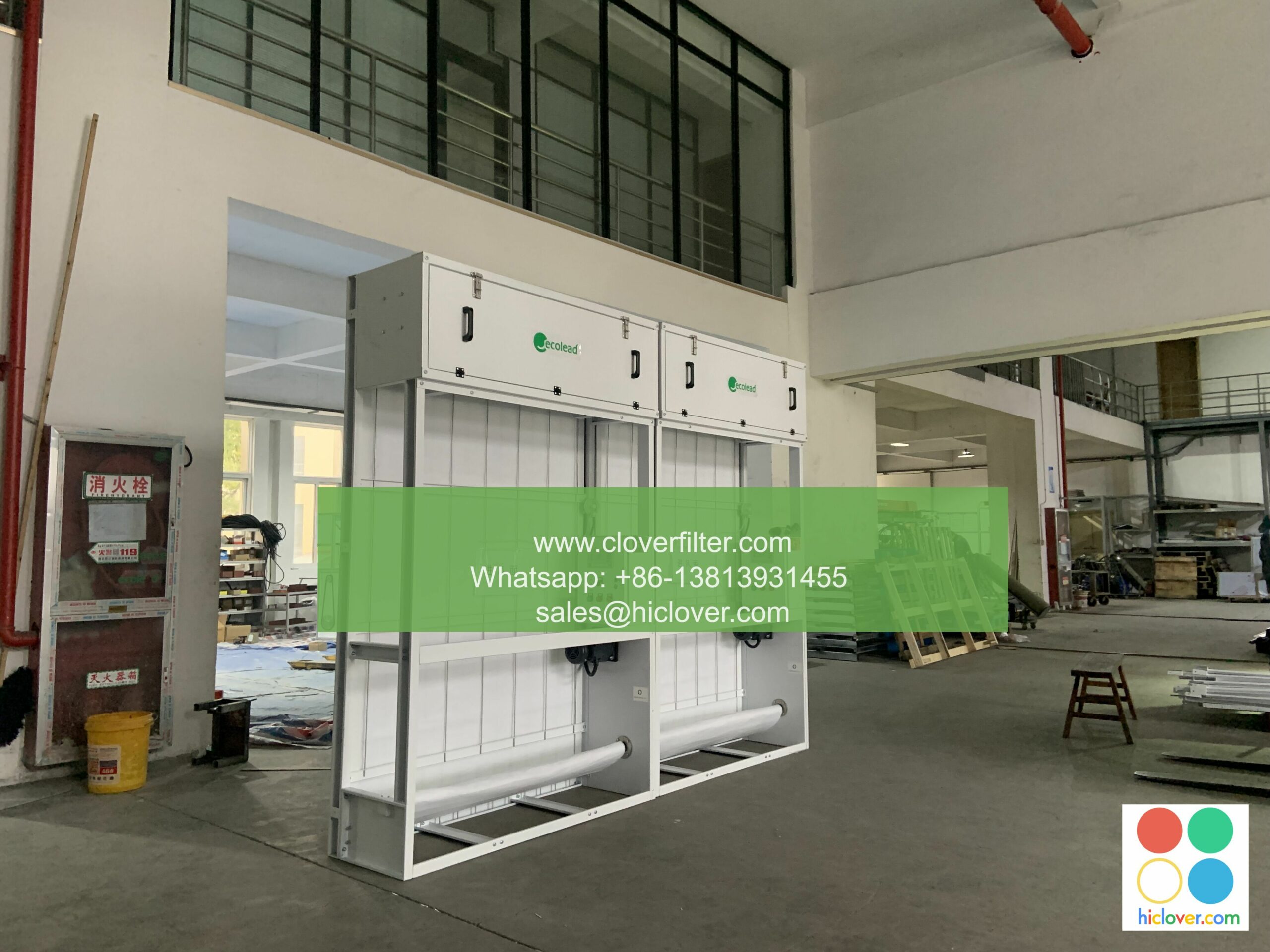
- Automatic Roll Air Filters enhance maintenance and reduce energy costs.
- Advances in filtration technology ensure compliance with industry standards.
- Proper selection is critical for maximizing the benefits of air filtration.
- Real-world applications demonstrate the versatility and effectiveness of modern systems.
Understanding Automatic Roll Air Filters
Air filter innovation has transformed the HVAC landscape, focusing on the efficiency and reliability of air filtration systems. Among the emerging technologies, the Automatic Roll Air Filter stands out due to its unique roll media advance logic and differential pressure trigger. These features allow for continuous and automated filtration, making them suitable for various industries from cleanrooms to data centers.
How It Works:
- Roll Media Advance Logic: This system utilizes a continuous roll of filter media that advances automatically as needed. When the filter reaches a preset differential pressure, the system triggers a new section of media, ensuring consistent air quality without frequent manual intervention.
- Differential Pressure Trigger: This feature monitors the pressure drop across the filter. When the pressure exceeds a set threshold, indicating clogging, the system automatically activates the roll media advancement, maintaining optimal airflow.
- Timer Mode: Some models can be programmed based on expected usage patterns, allowing for proactive maintenance, thereby reducing downtime and operational costs.
- Airflow Range: Ensure the filter can handle the required airflow for your specific application.
- Face Velocity: Maintain an optimal face velocity to balance filtration efficiency and pressure drop.
- Media Width/Length: Select dimensions based on installation space and airflow requirements.
- Frame Size: Standard framing fits most applications; ensure compatibility with existing setups.
- Control Options: Evaluate if remote monitoring and diagnostics are necessary for your application.
- Power Supply: Consider the electrical requirements, especially in remote installations.
- Installation Location: Proper placement is pivotal; filters can be mounted at fresh air intake, return air points, or process areas.
- Underestimating Airflow Needs: Ensure accurate airflow calculations to prevent filter inefficiency.
- Neglecting Maintenance: Schedule regular checks to maintain optimal performance and avoid costly downtimes.
- Ignoring Environmental Factors: Assess ambient particulate levels for selecting suitable filtration options.
- Ignoring Compatibility: Verify compatibility with existing HVAC systems to avoid installation challenges.
- Overlooking Control Features: Integrate smart monitoring capabilities for predictive maintenance.
- Selecting Incorrect Filter Type: Match filter type to use case; a wrong choice can lead to inefficiencies.
- Failure to Measure Pressure Drops: Regularly check pressure to evaluate filter condition and system performance.
- Inadequate Installation Training: Proper installation ensures effective operation; invest in skilled labor.
- Overly Long Replacement Intervals: Follow manufacturer recommendations for media replacement to maintain efficiency.
- Disregarding Compliance Standards: Ensure awareness of necessary compliance without claiming unrealized certifications.
- Data Center: A major tech company deployed Automatic Roll Air Filters to control particulate levels, significantly reducing downtime while improving cooling efficiency.
- Lithium Battery Factory: To meet stringent clean air requirements, a battery manufacturer utilized CloverFilter’s roll media technology for continuous high-efficiency particulate filtration.
- Paint Shop: An automotive paint manufacturer integrated roll filters to improve air quality and worker safety, successfully lowering VOC levels and maintaining compliance.
- Textile/Steel/Cement Facility: By implementing an Automatic Roll Air Filter, production efficiency increased, and maintenance costs dropped as the system autonomously managed filter changes.

Automatic Roll Filters are ideally placed in HVAC systems as pre-filters, assisting in the fresh air intake and making them essential in various facilities like lithium battery plants, automotive paint booths, and large commercial HVAC systems.
Choosing the Right Automatic Roll Air Filter
Selecting the appropriate air filtration system is crucial for effective particulate control and energy savings. Here’s a practical selection guide:
Air Filter Comparison Table
| Filter Type | Best Use Case | Maintenance | Pressure Drop Behavior | Operating Cost | Typical Risk/Downside |
|---|---|---|---|---|---|
| Automatic Roll Filter | High-capacity environments | Low | Minimal | Low | Complexity of operation |
| Bag Filter | General-purpose applications | Moderate | Moderate | Moderate | Clogging requires attention |
| Panel Filter | Small-scale systems | High | High | High | Frequent replacements |
| V-bank Filter | Variable air volume control | Moderate | Low | Moderate | Airflow inconsistency |
Common Mistakes & How to Avoid Them
Real-World Scenarios
FAQs
Q1: What is an Automatic Roll Air Filter?
A: It’s a filtration system that uses a continuous roll of media that advances automatically based on differential pressure, ensuring optimal air quality.
Q2: How often do Automatic Roll Air Filters need maintenance?
A: They require less frequent maintenance compared to traditional filters because of their automated operation, but regular checks are advisable.
Q3: Can these filters be used in all HVAC systems?
A: While most systems can accommodate roll filters, compatibility should be verified for optimal performance.
Q4: What standards should air filters comply with?
A: Consider general frameworks like ISO 16890, EN 779, and MERV when selecting filters, but specific certifications should be confirmed with manufacturers.
Q5: How does filter media width affect performance?
A: The width of the media impacts the airflow and efficiency; ensure it matches the application requirements for optimal results.
Q6: What are the energy savings associated with Automatic Roll Air Filters?
A: Automated systems reduce pressure drops and improve airflow, leading to significant energy savings compared to traditional filters.
Q7: Are Automatic Roll Air Filters suitable for cleanrooms?
A: Yes, their precise filtration capabilities make them ideal for maintaining cleanroom standards.
Q8: How do I know when to replace the filter media?
A: Monitoring differential pressure will indicate when the media requires replacement to maintain airflow.
Q9: What are the installation options for Air Filters?
A: They can be installed in fresh air intakes, return ducts, or process areas depending on your specific needs and space constraints.
Q10: How do I choose the right air filter for my facility?
A: Assess your facility’s specific airflow needs, environmental factors, and operational costs alongside compatibility with existing systems.
Meta Description: Discover breakthrough air filter innovations enhancing indoor air quality. Explore the benefits of CloverFilter’s Automatic Roll Air Filter systems today.
For tailored solutions in air filtration, reach out to CloverFilter at CloverFilter Contact. Let us help you maintain ideal air quality in your facilities!
It seems like your message is incomplete. Could you please provide more details or clarify what you would like help with?
