Material Selection for Efficient Air Filter Design
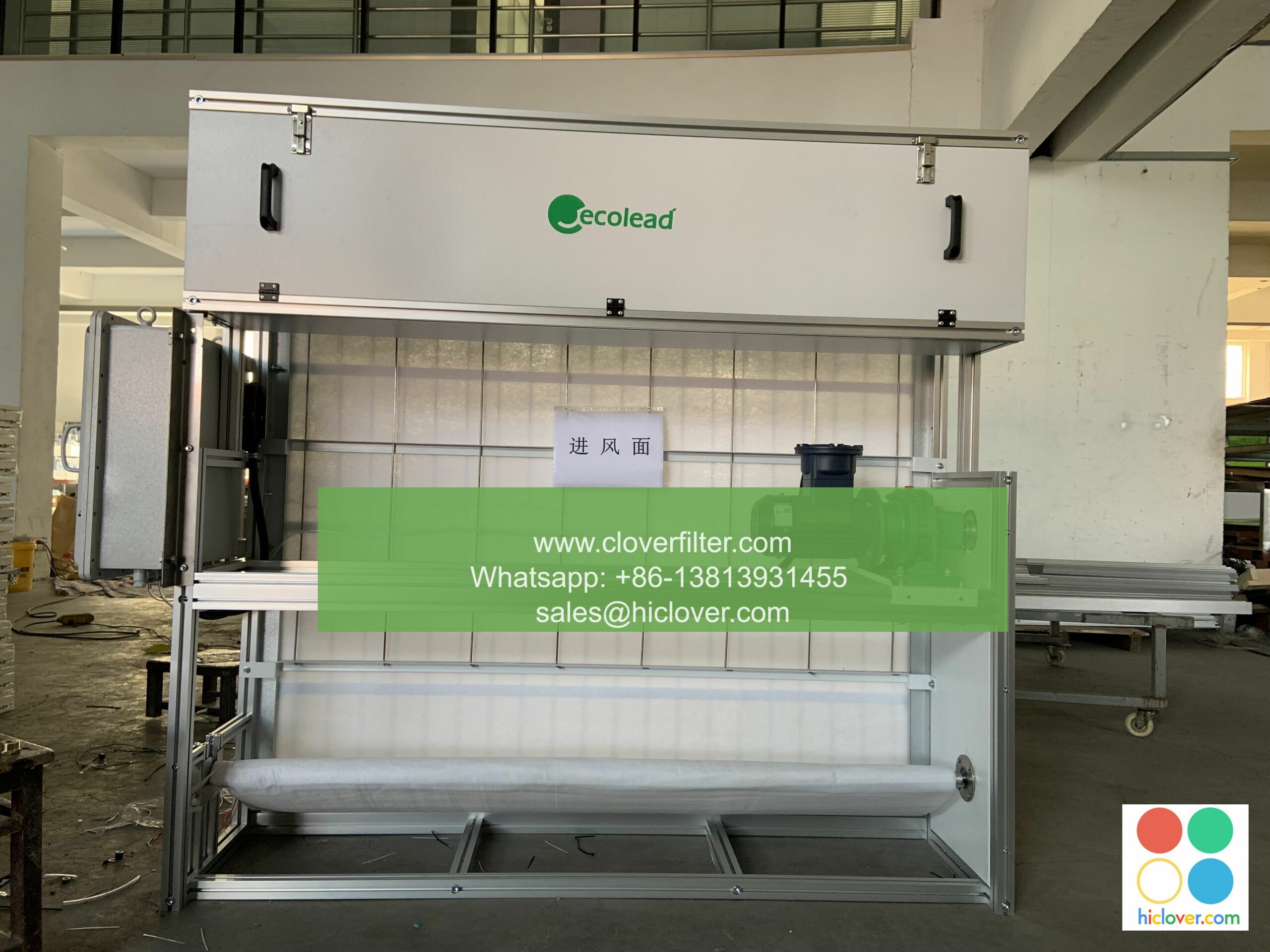
- Key Takeaways:
- Understand the importance of air filter design in various settings.
- Automatic Roll Air Filters enhance filtration efficiency and reduce maintenance.
- Material selection affects performance, lifespan, and energy consumption.
- Different applications require specific airflow and media characteristics.
- Compliance with general standards like ISO 16890 can guide material choices.
Understanding Automatic Roll Air Filters

An Automatic Roll Air Filter is designed to efficiently capture airborne particles, facilitating cleaner air in industries like HVAC, data centers, and manufacturing facilities. This innovative filter operates using roll media advance logic, which engages when differential pressure reaches a certain threshold. Using a timer mode further optimizes cleanliness and filter lifespan, making it an effective choice for various applications.
In HVAC (Heating, Ventilation, and Air Conditioning) and AHU (Air Handling Unit) systems, the Automatic Roll Air Filter is positioned at critical points such as fresh air intakes, return air systems, or specific process applications. Its ability to streamline air filter design while maintaining reduced operational costs contributes substantially to enhanced air quality and energy savings.
Practical Guide to Air Filter Design
When selecting the right air filter design, several factors must be considered to align with operational requirements. Here’s a practical selection guide to ensure optimal performance of your air filtration system:
- Airflow Range: Identify the required airflow to ensure the filter meets your system needs.
- Face Velocity: Choose an optimal face velocity to prevent filter loading that could diminish efficiency.
- Media Width/Length: Select appropriate dimensions based on space constraints and performance needs.
- Frame Size: Ensure the frame fits your existing housing for seamless installation.
- Control Options: Explore different control options, including automatic and manual settings.
- Power Supply: Verify compatibility with your facility’s power supply setups.
- Installation Location: Consider whether the filter will be installed at the fresh air intake, return duct, or process air points.
- Ignoring Airflow Needs: Always calculate specific airflow requirements before selecting filters.
- Neglecting MERV Ratings: MERV ratings help gauge a filter’s efficiency. Ensure to choose the right rating based on particulate size.
- Improper Installation: Incorrect setup can compromise filtering efficiency. Follow the installation guide carefully.
- Overlooking Differential Pressure: Regular monitoring of differential pressure will help keep the system efficient.
- Inadequate Maintenance Schedule: Schedule routine checks and replacements to enhance filter longevity.
- Selecting Filters Based on Cost Alone: Always balance initial costs with performance expectations and long-term savings.
- Unfamiliarity with Environmental Regulations: Understand the standards applicable to your industry (e.g., ISO 16890) to ensure compliance.
- Ignoring Energy Costs: Choose filters that maximize efficiency and minimize energy consumption.
- Using Filters Designed for Different Applications: Select an air filter design matched to the specific needs of your facility.
- Underestimating the Role of Media Quality: Higher-quality filter media can provide better performance and longer service life.

The Automatic Roll Air Filter offers significant benefits in efficiency and maintenance reduction, making it an effective choice within a host of industrial applications. For more information on selecting air filters, visit CloverFilter’s website.
Comparison of Air Filter Types
| Filter Type | Best Use Case | Maintenance | Pressure Drop Behavior | Operating Cost | Typical Risk/Downside |
|---|---|---|---|---|---|
| Automatic Roll Air Filter | High airflow, variable load | Low | Moderate | Low | Initial cost can be higher |
| Bag Filter | General purpose | Moderate | High | Moderate | Bulky, space-consuming |
| Panel Filter | Residential/low impact areas | High | Low | Variable | Higher replacement frequency |
| V-bank Filter | Industrial, space-limited | Moderate to low | Low to moderate | Moderate | Less efficient at high loads |
This table highlights the advantages of the Automatic Roll Air Filter in comparison to other conventional filter types. Its unique construction ensures lower maintenance requirements while providing significant energy-saving benefits.
Common Mistakes & How to Avoid Them
Real-World Scenarios
Data Center
In a data center, the introduction of an Automatic Roll Air Filter helped maintain lower temperatures and improved air quality crucial for sensitive equipment operations. The filter’s ability to self-clean reduced the need for regular manual maintenance and facilitated system efficiency.
Battery Factory
For a lithium battery production facility, effective particulate control is vital. Implementing a CloverFilter’s Automatic Roll Air Filter optimized clean air intake, preventing contamination and improving product yield.
Paint Shop
In a paint booth environment, the Automatic Roll Air Filter captures overspray and airborne particulate matter effectively, leading to cleaner air and a safer work environment for staff while maintaining compliance with industry regulations.
Textile/Steel/Cement Plant
In a textile factory, the implementation of high-efficiency filters reduced lint accumulation significantly. The Automatic Roll Air Filter adapted seamlessly to varying airflows, preserving air quality and operational efficiency.
FAQ Section
Q1: What is an Automatic Roll Air Filter?
A1: It is a high-efficiency air filter designed to advance its media automatically to maintain optimal performance and reduce maintenance needs.
Q2: How does differential pressure trigger the filter?
A2: When airflow resistance increases and reaches a preset differential pressure, the filter system activates to advance the roll media.
Q3: Where can Automatic Roll Air Filters be installed?
A3: They can be placed in fresh air intakes, return ducts, or specific process applications based on filtration needs.
Q4: What advantages do Automatic Roll Air Filters offer over traditional filters?
A4: These filters require less maintenance, have a lower pressure drop, and can help lower operating costs due to their efficient design.
Q5: How do I select the right size for my application?
A5: Calculate the required airflow, face velocity, and space constraints for the installation site to determine the appropriate media dimensions and frame size.
Q6: What standards should I consider when selecting filters?
A6: While specific certifications should be checked, general compliance with standards like ISO 16890 can guide material selection and performance expectations.
Meta Description: Explore material selection for efficient air filter design, focusing on Automatic Roll Air Filters for diverse industrial applications.
For more insights into optimizing your air filtration systems, explore the solutions offered by CloverFilter and reach out via https://www.cloverfilter.com/contact/.
It seems that you might have intended to ask for a specific type of prompt or maybe you are looking for assistance with something. Could you please clarify what sort of prompt or topic you are interested in? Whether it’s writing, brainstorming ideas, or something else, I’m here to help!
