How High-Dust Filtration Improves Air Quality in Cement Plants
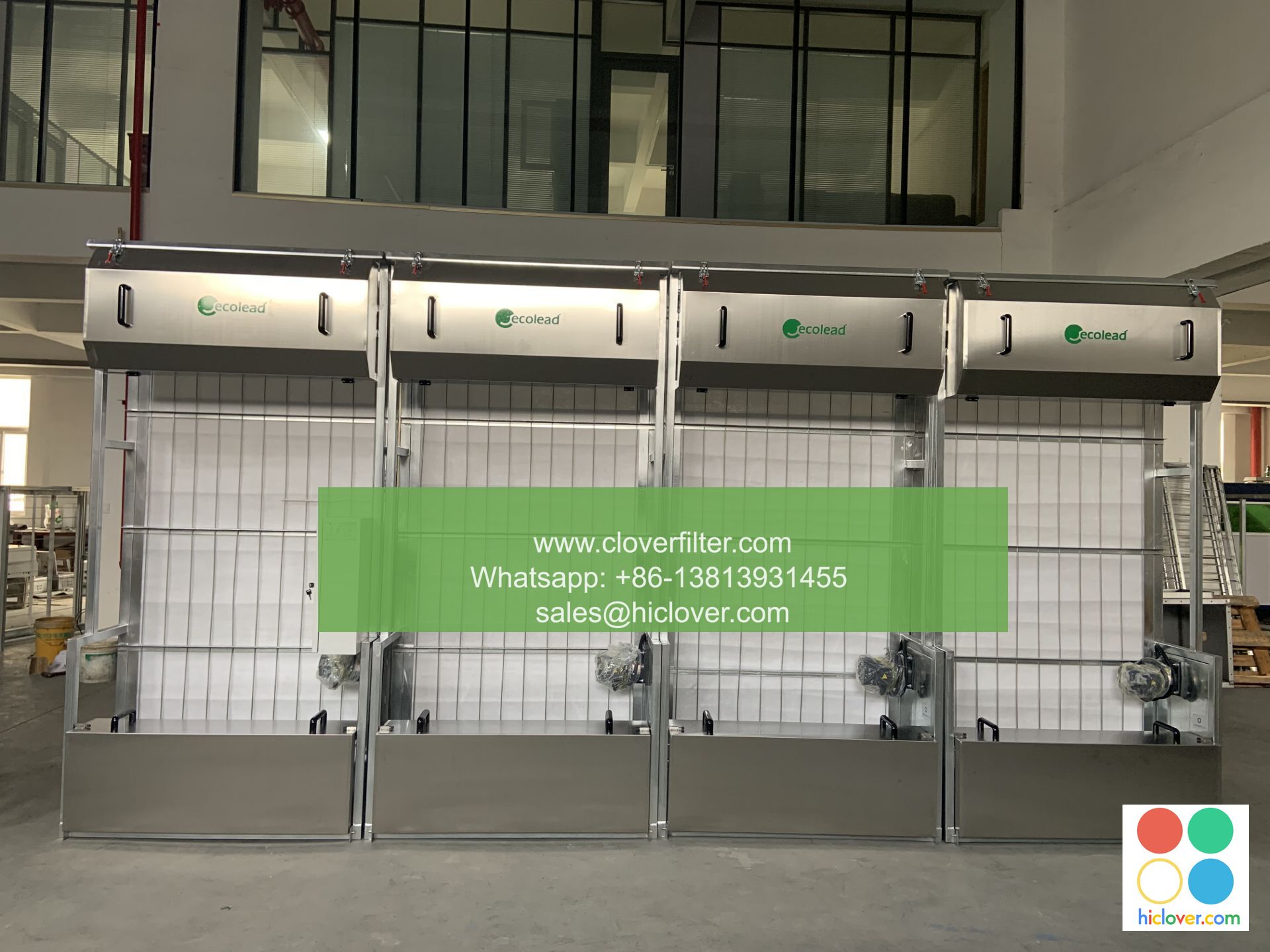
The cement industry is a significant contributor to global emissions, which makes air quality management essential. One of the vital technologies employed to combat these emissions is high-dust filtration. This article will explore the mechanisms behind high-dust filtration and its various application areas in enhancing air quality within cement plants.
The Need for Air Quality Management in Cement Plants

Cement production emits various pollutants, including particulate matter (PM), carbon dioxide (CO2), nitrogen oxides (NOx), and sulfur oxides (SOx). These pollutants not only pose health risks to workers but also negatively impact the environment. Therefore, it becomes imperative to implement effective air quality management systems to minimize these emissions.
Understanding High-Dust Filtration
High-dust filtration is a method designed to capture airborne particulates generated during cement production. This technology utilizes specialized filters and electrostatic precipitators that facilitate the collection of fine dust particles without significantly slowing down production processes.
Mechanisms of High-Dust Filtration
High-dust filtration systems operate on several principles:

- Reverse Air Cleaning: This process involves the use of high-velocity air streams to dislodge accumulated particles from the filter media.
- Electrostatic Precipitation: Electrodes create an electric charge that attracts and captures dust particles, allowing for cleaner emissions.
- Baghouse Filters: These utilize fabric filtering elements to trap particles, with regular cleaning mechanisms that maintain filter efficiency.
Applications of High-Dust Filtration in Cement Plants
The applications of high-dust filtration in cement plants are numerous and crucial for enhancing air quality:
1. Raw Material Handling
During the transportation and storage of raw materials such as limestone and clay, high-dust filtration systems can control emissions, providing a cleaner work environment.
2. Kiln Operations
Dust generated during the calcination process in kilns can be effectively managed by high-dust filtration to ensure that emissions remain below regulatory limits.
3. Cement Grinding
The grinding phase produces fine particulate matter. Integrating high-dust filtration helps capture these particles, preventing them from entering the atmosphere.
4. Packaging and Loading
High-dust filtration is equally important during the final stages of cement production, where dust emissions can occur during packaging and loading processes.
Benefits of High-Dust Filtration in Cement Plants
Implementing high-dust filtration systems provides several benefits:
- Improved Worker Health: Reducing dust exposure lowers respiratory-related health issues among workers.
- Compliance with Regulations: High-dust filtration systems help cement plants meet stringent environmental regulations.
- Reduced Environmental Impact: By capturing and minimizing emissions, these systems contribute to cleaner air and a lower carbon footprint.
- Enhanced Operational Efficiency: Prolonging the life of equipment and reducing downtime by preventing dust accumulation.
Conclusion
In summary, high-dust filtration is an essential technology for improving air quality in cement plants. By efficiently capturing particulate matter throughout various stages of production, it not only protects worker health but also plays a critical role in environmental stewardship and regulatory compliance. As the demand for sustainable practices increases, investing in high-dust filtration systems is a vital step towards achieving a cleaner and greener cement industry.
It looks like you entered “Prompt,” but I need a bit more detail to assist you effectively. Are you looking for writing prompts, suggestions for a specific topic, or something else? Please provide more context, and I’ll be happy to help!
