High-Efficiency Particulate Air Filters: A Comprehensive Study
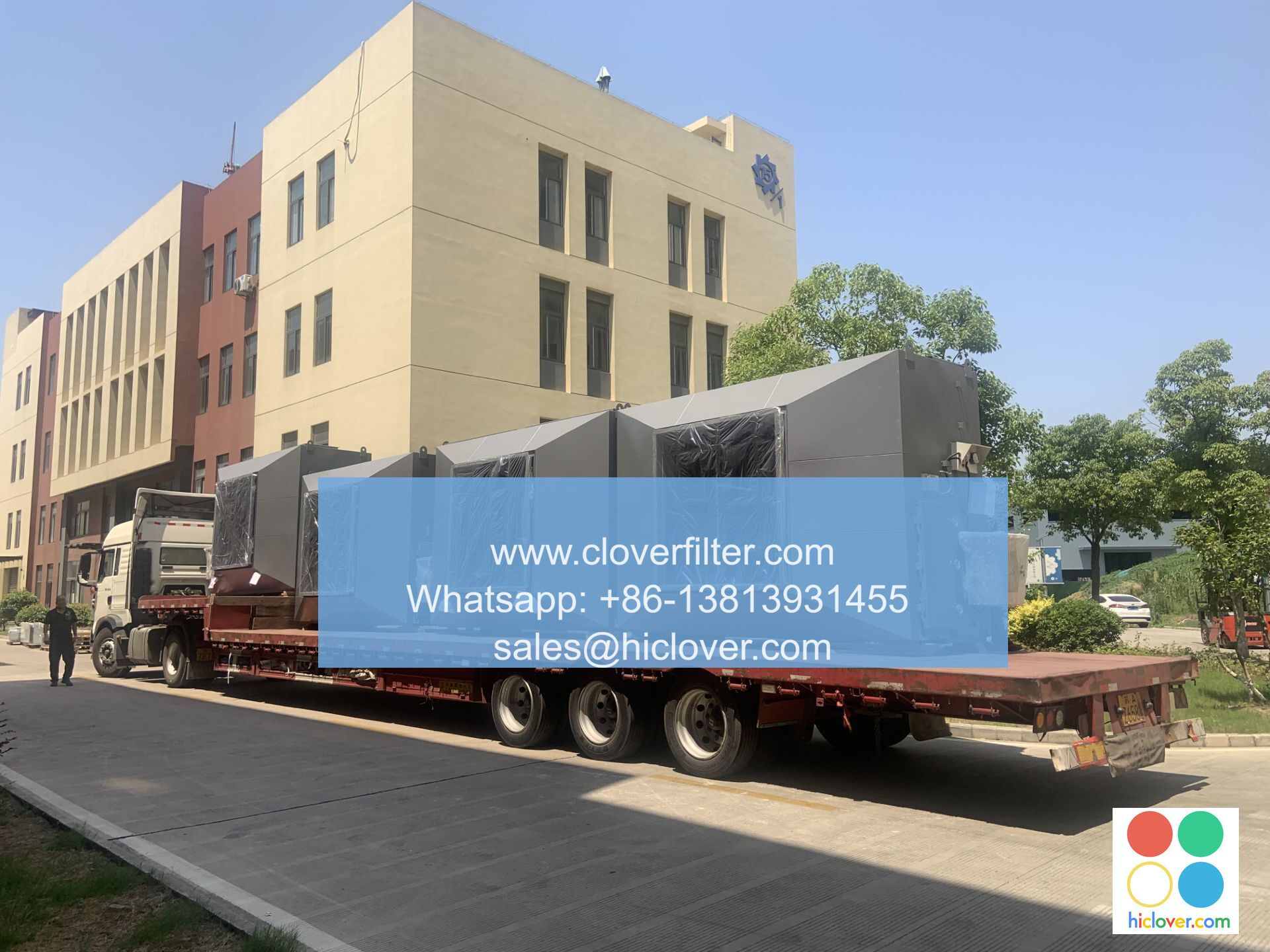
- Key Takeaways:
- Automatic Roll Air Filters improve particulate control in various industries.
- Utilizes advanced roll media technology for efficient air filtration.
- Provides energy-saving solutions, reducing operational costs.
- Offers differentiated pressure monitoring for optimal performance.
- Available for compliance with specified industry standards.
- Ideal for diverse applications such as data centers, factories, and hospitals.
Understanding Automatic Roll Air Filters

An Automatic Roll Air Filter is a type of high-efficiency particulate air filter designed to enhance air quality and maintain cleanliness across a variety of industrial environments. Utilizing innovative air filter research and development, this technology optimally filters particulates from the air by employing a roll media that automatically advances as it collects dust and contaminants. Typically integrated into HVAC and air handling unit (AHU) systems, these filters ensure reliable air purification while minimizing maintenance requirements.
How Automatic Roll Air Filters Work
Automatic roll filters operate on a few key principles, including:
- Roll Media Advance Logic: The filter material rolls continuously to present a fresh section for air purification as the used section becomes saturated with particulates.
- Differential Pressure Trigger: When a preset difference in pressure is detected, the system activates the roll mechanism, ensuring that the operator is alerted only when maintenance is necessary.
- Timer Mode: Flexible scheduling allows filters to advance based on time, optimizing filtration efficiency even in environments with predictable air contamination levels.
- Airflow Range: Ensure the filter can accommodate the necessary airflow specific to your application.
- Face Velocity: Assess the ideal face velocity based on your air handling units (AHUs) to maintain optimal pressure.
- Media Width/Length: Choose the dimensions that fit within your installation space effectively.
- Frame Size: Ensure compatibility with the existing framework of your HVAC system.
- Control Options: Find filters with customizable controls that meet your specific operational needs.
- Power Supply: Identify the power requirements to integrate seamlessly within your current system.
- Installation Location: Determine whether the filter will be used for fresh air intake, return ducts, or process air filtration.
- Selecting the Wrong Size: Always measure your installation space carefully to avoid incorrect sizing.
- Ignoring Airflow Requirements: Ensure the filter matches the airflow needs of your application for optimal performance.
- Neglecting Maintenance Alerts: Regularly monitor differential pressure readings to maintain filter efficiency.
- Overlooking Media Type: Different air quality needs require different media compositions; choosing the wrong type can reduce efficacy.
- Inadequate Training: Ensure the staff are properly trained on filter management and maintenance.
- Failing to Consider Humidity Levels: Understand how local humidity can impact filter performance and lifespan.
- Choosing Cost Over Quality: Opt for durable filtration solutions that save on long-term operational costs rather than focusing solely on price.

In essence, this technology allows for superior particulate control while streamlining maintenance efforts—ideal for sectors such as data centers, cleanrooms, battery manufacturing facilities, and paint booths.
Practical Selection Guide for Air Filtration Systems
When selecting an automatic roll air filter for your specific needs, consider the following factors:
Comparison Table: Automatic Roll Air Filter vs. Other Filter Types
| Filter Type | Best Use Case | Maintenance | Pressure Drop Behavior | Operating Cost | Typical Risk/Downside |
|---|---|---|---|---|---|
| Automatic Roll Air Filter | High-traffic environments; industries with varying particulate loads | Low due to rolls needing less frequent changes | Low to moderate | Medium to high | Initial investment can be higher |
| Bag Filter | General purpose; cost-effective solutions | Moderate maintenance; bags need replacing | Moderate | Low | Can clog faster in humid conditions |
| Panel Filter | Light-duty applications; less critical areas | High; frequent replacement | Low | Low | Limited filtration capacity |
| V-bank Filter | High-efficiency applications; HVAC pre-filters | Moderate; less frequent than bags | High | Medium | Requires larger installations |
Common Mistakes & How to Avoid Them
Real-World Scenarios
Data Center
In a large data center, an Automatic Roll Air Filter was employed to maintain optimal air quality for sensitive electronic equipment. With a focus on reducing dust accumulation and cooling demands, the facility saw a 20% reduction in energy costs.
Battery Factory
In a lithium battery manufacturing plant, the integration of an automatic roll filter enhanced particulate control. Its ability to seamlessly manage high volumes of dust relegated operational downtime, ensuring continuous production.
Paint Shop
In a paint booth, where VOCs and particulates can pose quality control issues, the installation of CloverFilter’s automatic roll filter not only improved air quality but also contributed to a safer working environment.
Textile & Steel/Cement Plants
For textile and cement manufacturers, the automatic roll filter minimized particulate matter within production areas, which enhanced product quality while reducing maintenance downtime due to its long-lasting media.
Frequently Asked Questions
Q1: What is the lifespan of an Automatic Roll Air Filter?
A1: The lifespan varies based on conditions but generally lasts several months before media replacement is required.
Q2: How do I know when to replace the filter?
A2: Monitoring the differential pressure and adhering to maintenance alerts will guide you on replacement timing.
Q3: Can the filters be used in both fresh air intake and return applications?
A3: Yes, they are designed for versatility in both settings.
Q4: Are Automatic Roll Air Filters compliant with industry standards?
A4: They can be designed to meet recognized standards such as ISO 16890, but specific certifications should be verified with the manufacturer.
Q5: What is the typical cost associated with these filters?
A5: Initial costs vary; however, energy-saving attributes often lead to reduced operational costs over time.
Q6: How does a roll filter improve energy efficiency?
A6: By ensuring efficient air circulation and maintaining lower pressure drops, these filters reduce energy consumption across HVAC systems.
Conclusion
When investing in a filtration solution, it is paramount to understand the options available, including the highly effective Automatic Roll Air Filter from CloverFilter. This innovative technology not only addresses particulate control challenges but also integrates seamlessly within your broader HVAC systems. For more information or inquiries, feel free to visit CloverFilter or reach out through the contact page.
Meta Description: Explore the Automatic Roll Air Filter technology, its applications, benefits, and selection criteria for HVAC systems in our comprehensive study.
Of course! What kind of prompt are you looking for? It could be for writing, art, a discussion topic, or something else entirely. Let me know how I can assist you!
