The Cost-Benefit Analysis of Automatic Roll Air Filters in Biotech Labs: A Study
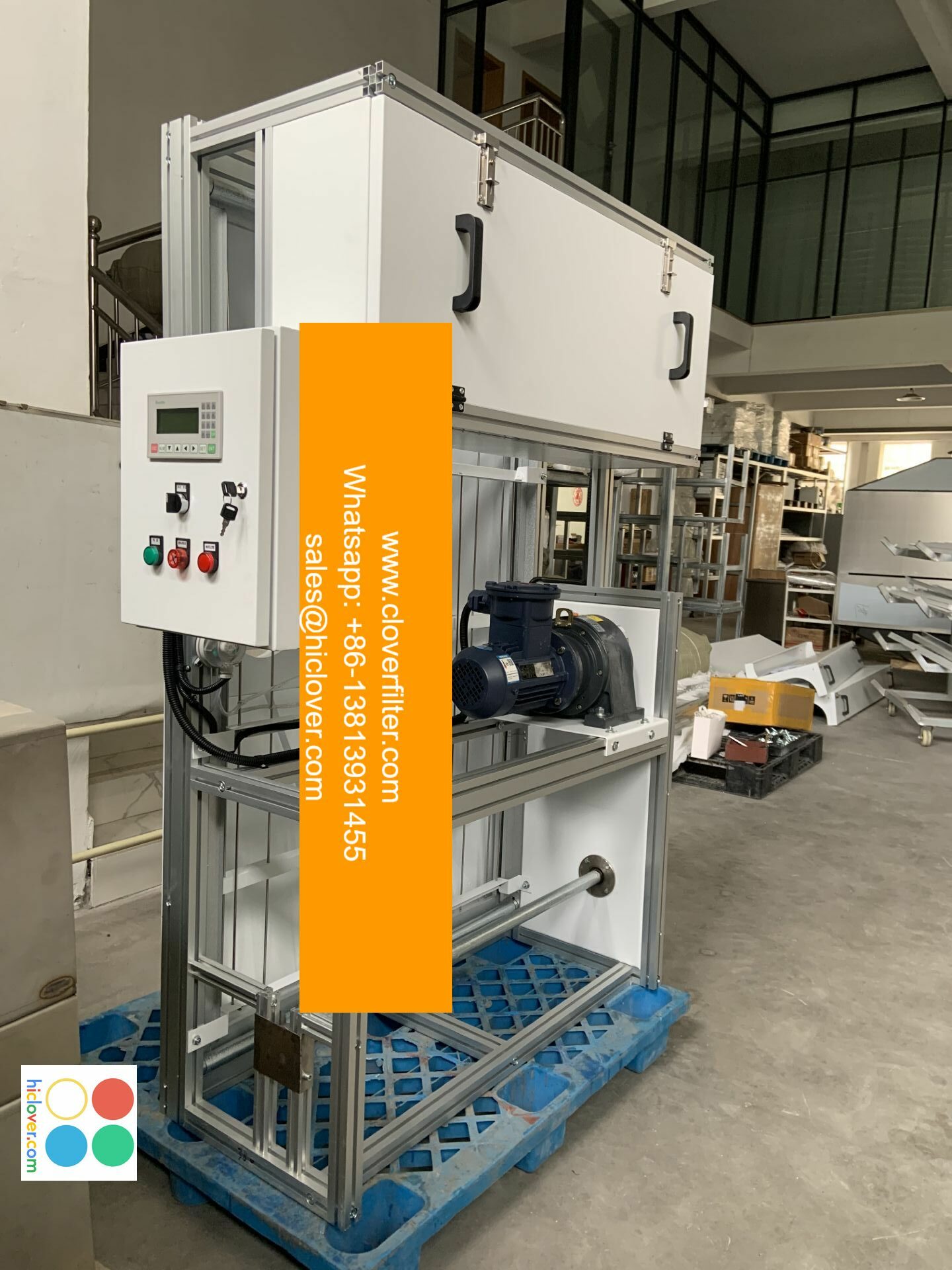
In the rapidly evolving field of biotechnology, maintaining a clean and controlled environment is paramount for experiments and processes. One crucial component in achieving this is the air filtration system. This article delves into the cost-benefit analysis of automatic roll air filters, shedding light on their various application areas within biotech labs.
Understanding Automatic Roll Air Filters

Automatic roll air filters are designed to provide continuous air filtration through a rolling mechanism that replaces saturated filter media with clean material without manual intervention. This type of filtration system is especially beneficial in environments that require consistent air quality, such as biotech labs handling sensitive materials, cell cultures, and other biological samples.
Key Benefits of Automatic Roll Air Filters
1. Enhanced Air Quality
The primary purpose of air filters in biotech labs is to eliminate airborne contaminants. Automatic roll air filters ensure a steady influx of clean air by continuously rotating the filter media, thus significantly reducing the likelihood of microbial contamination. This is crucial in experiments where sterility is non-negotiable.
2. Reduced Operational Costs
Though the initial investment in automatic roll air filters might seem high, their long-term benefits outweigh the costs. Traditional filter systems require frequent changes and maintenance, leading to increased operational costs. In contrast, automatic systems reduce labor costs associated with manual filter replacements and minimize downtime.
3. Improved Efficiency
With automatic roll air filters, labs can maintain optimal air quality without interrupting workflows. The automation removes human error from filter management, allowing researchers to focus on critical tasks rather than routine maintenance. This can lead to increased productivity in experiments and research projects.
4. Scalability
Biotech labs often need to scale operations quickly in response to changing demands. Automatic roll air filters can be easily integrated into existing HVAC systems, providing flexible filtration solutions that adapt as the lab grows without extensive retrofitting.
Key Considerations in the Cost-Benefit Analysis
1. Initial Investment vs. Long-Term Savings
When evaluating the cost-benefit of automatic roll air filters, it is essential to factor in initial installation costs against long-term savings from lower maintenance requirements and reduced downtime. While the upfront cost can be significant, the longevity and efficiency of these systems often translate to substantial savings over time.
2. Regulatory Compliance
In the biotech sector, maintaining compliance with health and safety regulations is critical. Automatic roll air filters help labs meet stringent air quality standards, reducing the risk of costly fines or disruptions due to non-compliance. Investing in these systems can also enhance a lab’s reputation as a reliable entity in research and development.
3. Operational Environment
Different biotech applications might require various levels of filtration and cleanliness. For instance, labs involved in pharmaceutical development, genetic engineering, and cell culture will benefit from the precise contaminant removal capabilities of automatic roll air filters. Understanding specific lab requirements is crucial for justifying the investment.
Application Areas in Biotech Labs
1. Pharmaceutical Manufacturing
In pharmaceutical settings, cross-contamination can lead to severe consequences. Automatic roll air filters play a significant role in ensuring that the air quality meets the stringent conditions required for drug formulation.
2. Clinical Research
Biotech labs conducting clinical trials must maintain aseptic conditions to guarantee the integrity of their results. Using automatic air filtration systems helps uphold the necessary air quality throughout the duration of studies.
3. Cell and Tissue Culture
Cells and tissues are susceptible to environmental changes. Automatic roll air filters provide a stable environment, reducing the risk of contamination during culture, which is vital for the success of any biological experiment.
4. Genomics and Proteomics
Laboratories engaged in genomics and proteomics research often deal with sensitive biological materials that can be disrupted by contaminants. Utilizing high-efficiency automatic roll air filters ensures the integrity of samples, leading to more reliable results.
Conclusion
The investment in automatic roll air filters for biotech labs presents both challenges and opportunities. While the initial costs may seem steep, the long-term benefits, including enhanced air quality, reduced operational costs, and improved efficiency, make them a valuable asset in any modern biotech facility. As labs continue to prioritize cleanliness and compliance, these filtration systems will play an increasingly essential role in the future of biotechnology research and development.
In summary, automatic roll air filters are not just a technical necessity; they represent a forward-thinking solution to modern lab requirements. By embracing these innovations, biotech labs can ensure process integrity while simultaneously optimizing operational efficiency.
