Nanotechnology Cleanroom Air Filtration: The Benefits of Using Automatic Roll Air Filters
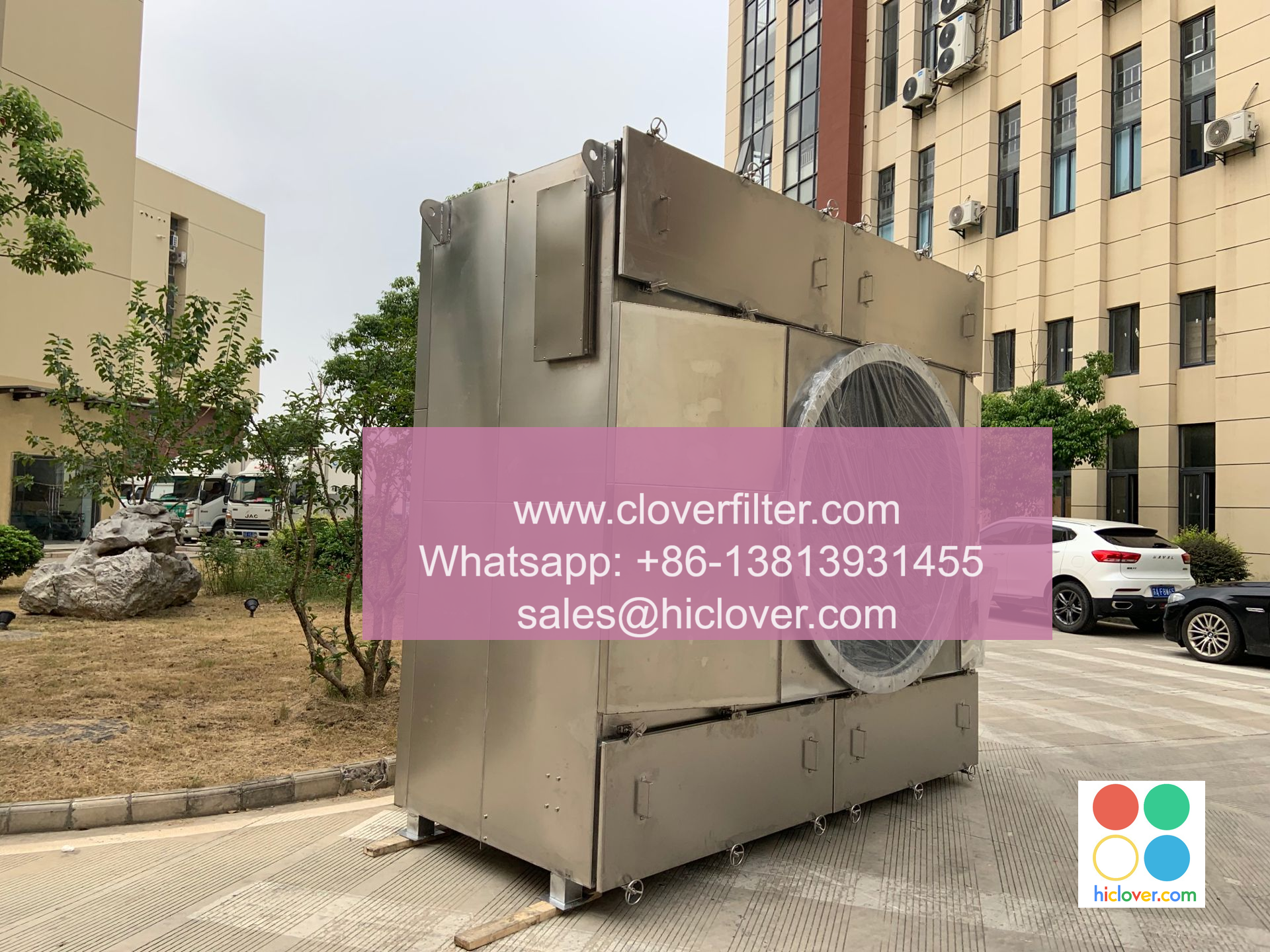
In the realm of cleanroom environments, maintaining optimal air quality is crucial for industries such as pharmaceutical, semiconductor, and biotechnology. The introduction of nanotechnology has revolutionized various sectors, contributing significantly to the development of advanced cleanroom air filtration systems. Among these innovations, automatic roll air filters stand out, providing numerous benefits and enhancing efficiency. This article delves into the advantages of these filters and their diverse applications.
Understanding Nanotechnology in Cleanroom Air Filtration

Nanotechnology involves manipulating materials at the molecular level, allowing for the creation of filters with unparalleled performance characteristics. Cleanroom environments require specific air quality standards, and traditional filtration methods often fall short. Nanotechnology offers new solutions to meet these stringent requirements, ensuring that airborne contaminants are efficiently captured.
Key Features of Automatic Roll Air Filters
-
Enhanced Filtration Efficiency
- Automatic roll air filters utilize advanced materials engineered at the nanoscale, enabling them to trap smaller particles that conventional filters might miss. This feature is particularly beneficial in applications requiring ultra-clean environments.
-
Continuous Operation
- These filters are designed for uninterrupted operation, automatically rolling to present a fresh section of filtration material as the used portion becomes saturated. This ensures consistent air quality without the need for frequent manual replacements.
-
Reduced Downtime
- With the automatic nature of these systems, downtime due to filter change-outs is significantly reduced. This keeps production lines moving and minimizes disruptions in sensitive processes.
-
Cost-Effectiveness
- Though the initial investment may be higher than traditional systems, the longevity and efficiency of automatic roll air filters often result in lower operational costs over time. They reduce waste and the frequency of replacements, leading to economic benefits.

Applications of Automatic Roll Air Filters
1. Pharmaceutical Industries
In the pharmaceutical sector, maintaining sterile environments is imperative. Automatic roll air filters ensure that airborne particulates and microbial contaminants are efficiently captured, safeguarding drug integrity and quality during manufacturing and packaging processes.
2. Semiconductor Manufacturing
The semiconductor industry operates within stringent cleanliness standards. Automatic roll air filters play a critical role in protecting delicate components from dust and other particulates, ensuring high yield rates and minimizing defects in chip production.
3. Biotechnology Laboratories
Biotechnology labs rely heavily on clean environments to conduct experiments and develop products. The use of nanotechnology-driven automatic roll air filters improves air quality, allowing researchers to obtain accurate results and fostering innovative breakthroughs.
4. Food and Beverage Industry
Maintaining hygiene in food processing and packaging is crucial. Automatic roll filters help in reducing particulate contamination, thus extending shelf life and ensuring product safety for consumers.
The Future of Cleanroom Air Filtration
As industries continue to push for higher standards of cleanliness and efficiency, the adoption of nanotechnology and automatic systems like roll air filters is expected to expand. Future advancements may result in even more effective filtration techniques and smart air filtration systems that adapt in real-time to changing particulate levels within a cleanroom.
Conclusion
The integration of automatic roll air filters in cleanroom air filtration systems demonstrates a significant leap forward in maintaining high air quality standards across various industries. With their enhanced efficiency, continuous operation, and adaptability, these filters not only ensure compliance with stringent regulations but also promote innovation and productivity. As the field of nanotechnology continues to evolve, so too will the methodologies employed in air filtration, paving the way for cleaner and safer manufacturing environments.
