The Role of Air Filters in HVAC System Performance
Key Takeaways
- Effective air filter performance directly enhances HVAC efficiency.
- Automatic Roll Air Filters feature advanced media roll mechanics.
- Selecting the right filter improves maintenance and operational costs.
- Filters must comply with relevant performance standards like ISO 16890.
- Regular filter changes can significantly reduce energy consumption.
- Understanding airflow dynamics is crucial in filter selection.
- Roll Media Advance Logic: As dust and other particulates accumulate on the existing media, the system triggers a roll action to present fresh media to the airstream.
- Differential Pressure Trigger: The filter has built-in sensors that monitor airflow resistance. When resistance exceeds a predefined threshold, the roll action activates, changing the media automatically.
- Timer Mode: In scenarios where precise control is needed, the unit can operate on a timer setting to advance the media at scheduled intervals, independent of system saturation levels.
- Airflow Range: Ensure compatibility with the HVAC system’s design airflows.
- Face Velocity: Match the filter to suitable face velocities for optimal air filter performance.
- Media Width/Length: Choose dimensions based on the installation site to enhance fit and performance.
- Frame Size: The filter frame must adequately accommodate the filter media to ensure a proper seal and filtration efficacy.
- Control Options: Select between manual or automated control features based on operational preferences.
- Power Supply: Assess whether the installation will occur in an area where a power source is readily available.
- Installation Location: Determine if the filter will be used at fresh air intakes, return ducts, or specific process applications.
- Ignoring filter specifications leading to misfits.
- Failing to consider the environment (e.g., humidity levels) where the filter will operate.
- Using filters with insufficient MERV ratings for specific applications.
- Delaying replacement of filters, leading to operational inefficiencies.
- Overlooking the need for differential pressure monitoring.
- Not aligning filter selections with industry standards such as ISO 16890.
- Neglecting to maintain clear communication with HVAC professionals about filter requirements.
- Assuming all filters have equal performance capabilities.
-
Data Center: Implementing Automatic Roll Air Filters in a data center helped maintain lower temperatures while improving dust control, resulting in improved server performance and reduced energy expenses.
-
Battery Factory: The adoption of these filters allowed for enhanced particulate control, essential in a battery production environment where contamination can damage sensitive components.
-
Paint Shop: In a paint booth, Automatic Roll Air Filters provided superior air quality, minimizing overspray and improving worker safety by capturing volatile organic compounds effectively.
-
Textile/Steel/Cement Plant: The unique ability of these filters to handle higher dust loads enabled better operational reliability and reduced maintenance costs across these demanding environments.

Understanding Air Filter Performance
Air filter performance is a vital aspect of heating, ventilation, and air conditioning (HVAC) systems, impacting air quality, energy consumption, and overall operational efficiency. Proper air filtration minimizes airborne contaminants, contributing to a healthier environment in factories, hospitals, and other commercial facilities. Choosing the right filter, such as the Automatic Roll Air Filter from CloverFilter, pays dividends in reliability and performance.
What is an Automatic Roll Air Filter?
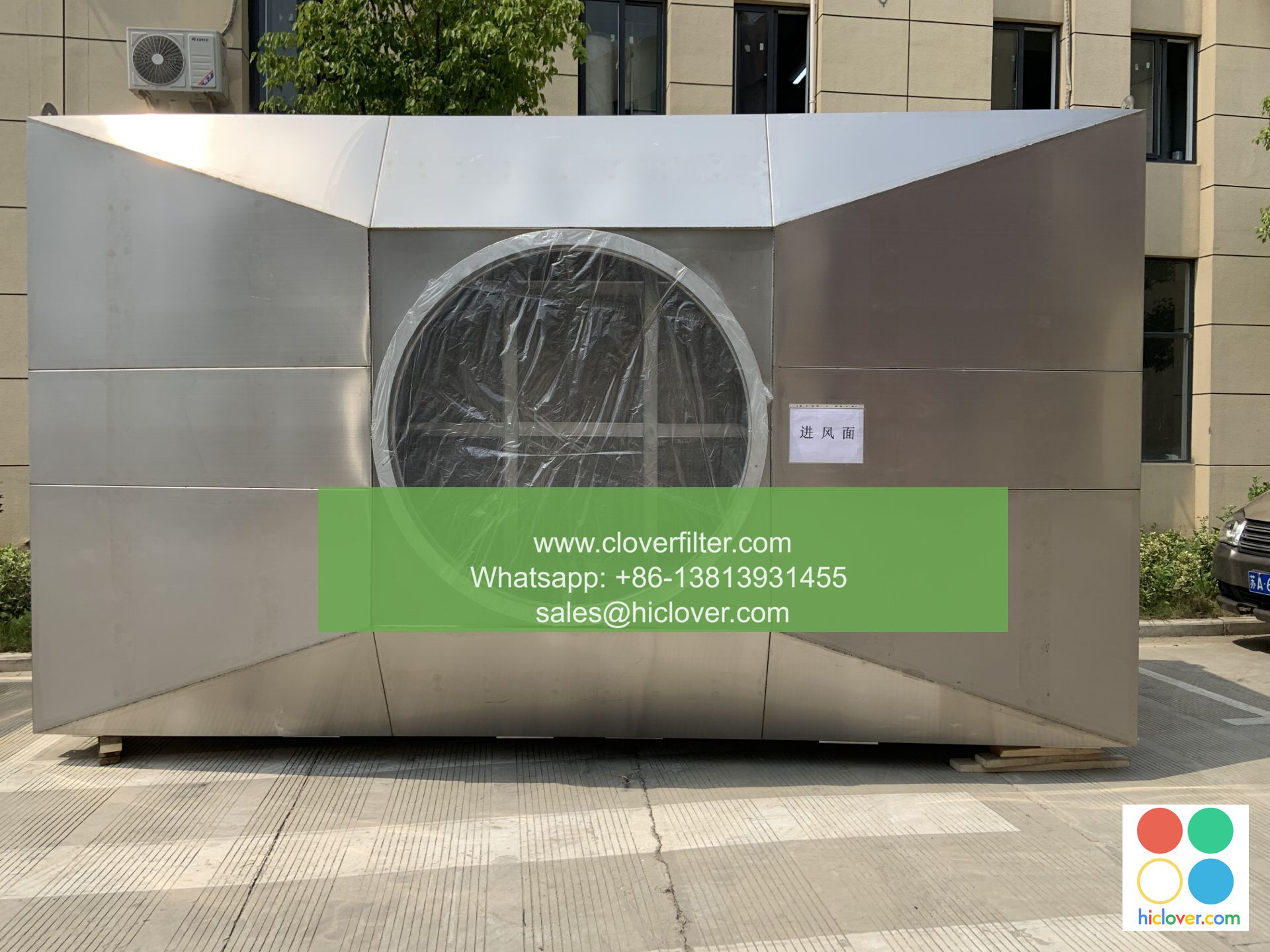
An Automatic Roll Air Filter is an innovative filtration device designed for use in various HVAC applications. It utilizes a roll media system that advances through the filter frame as it collects particulates, ensuring consistent air filter performance over time. This system incorporates a differential pressure trigger that activates the roll media advance, making maintenance easy and efficient. Unlike traditional filters that require frequent manual replacements, the Automatic Roll Air Filter operates in timer mode, allowing for automated functionality and minimal interruption to air flow.
How It Works
The Automatic Roll Air Filter works by continuously feeding new filter media into the airflow path as the used media is collected and discarded. This method not only guarantees optimal air filter performance but also reduces the frequency of maintenance, ensuring minimal downtime. Here’s a brief overview of its operational mechanics:
Practical Selection Guide for Air Filters
When selecting an air filter, particularly an Automatic Roll Air Filter, consider the following key attributes:
Comparison of Filter Types
Here’s a comparison table highlighting the differences between various air filter types including the Automatic Roll Air Filter:
| Filter Type | Best Use Case | Maintenance | Pressure Drop Behavior | Operating Cost | Typical Risk/Downside |
|---|---|---|---|---|---|
| Automatic Roll Filter | High-traffic areas | Low, automated | Consistent, low drop | Moderate, energy-efficient | Initial cost may be higher |
| Bag Filter | General industrial | Moderate, manual | Moderate drop | Moderate | Space requirement |
| Panel Filter | Residential | Low, manual | Variable drop | Low | Frequent replacement |
| V-Bank Filter | High-efficiency | Moderate, manual | Lower drop | Higher, but effective | Requires space |
Common Mistakes & How to Avoid Them
When utilizing air filtration, avoid these common pitfalls to ensure optimal air filter performance:
Real-World Scenarios
Conclusion
Automatic Roll Air Filters represent a significant advancement in air filter performance, enhancing the operational efficiency of HVAC systems across various industries. With their ability to automate filter changes and maintain high airflow standards, they are an excellent choice for facilities seeking to improve indoor air quality, reduce maintenance efforts, and achieve long-term energy savings.
For a reliable solution, consider CloverFilter’s Automatic Roll Air Filters, designed for superior performance in diverse applications. Learn more by visiting CloverFilter or contact us for tailored solutions at CloverFilter Contact.
Meta Description: Discover how air filters enhance HVAC performance and learn about CloverFilter’s Automatic Roll Air Filter for optimal air quality and efficiency.
Of course! What kind of prompt are you looking for? It could be for creative writing, brainstorming, a specific topic you’d like to explore, or something else. Let me know your preferences!
