Exploring Electrostatic Air Filters: Efficiency and Effectiveness
Key Takeaways
- Automatic Roll Air Filters utilize advanced air filter technology for efficient filtration.
- Ideal for diverse applications including cleanrooms, data centers, and hospitals.
- Features roll media advance logic and differential pressure triggers for automated operation.
- Offers various customization options for airflow, face velocity, and installation.
- Improves energy savings and reduces maintenance requirements.
- Reliability in particulate control across multiple industry standards.
- Roll Media Advance Logic: This mechanism enables the filter to automatically dispense fresh media as the used media becomes saturated, maintaining high performance.
- Differential Pressure Trigger: When a pre-set pressure differential is detected, this triggers the roll media to advance, maintaining optimal airflow and filtration efficiency.
- Timer Mode: This feature can be integrated for routine checks, indicating when maintenance is necessary based on time lapses instead of just pressure forces, allowing for easier scheduling.
- Overlooking Airflow Needs: Always base filter choice on accurate airflow calculations.
- Ignoring Pressure Drops: Analyze initial and ongoing pressure drops to prevent system inefficiency.
- Improper Installation: Ensure correct installation by adhering to manufacturer specifications.
- Neglecting Regular Maintenance: Schedule routine evaluations to maintain filter performance.
- Unsuitable Locations for Installation: Place filters strategically for optimal airflow and access for maintenance.
- Forgetting About Compatibility: Confirm that the filter matches the existing system size and configuration.
- Underestimating Environment Impact: Consider the specific environmental conditions (e.g., temperature, humidity) influencing filter performance.
-
Data Center: In a large data center, an Automatic Roll Air Filter was installed at the fresh air intake. This implementation greatly reduced particulate matter and enhanced the longevity of sensitive electronic equipment.
-
Battery Factory: A lithium battery factory adopted these filters to maintain a clean production environment. The filter’s ability to automatically adjust media ensured that air quality met stringent process requirements without excessive filtration costs.
-
Paint Shop: Implementation of an Automatic Roll Air Filter in a paint shop effectively managed airborne particulate, reducing overspray and improving paint adherence to surfaces, thereby enhancing product quality and worker safety.
-
Textile/Steel/Cement Plant: In a textile mill, the introduction of roll filters minimized dust emissions. Their high-efficiency filtration dramatically improved workplace conditions while also meeting regulatory compliance for air quality standards.

What is an Automatic Roll Air Filter?
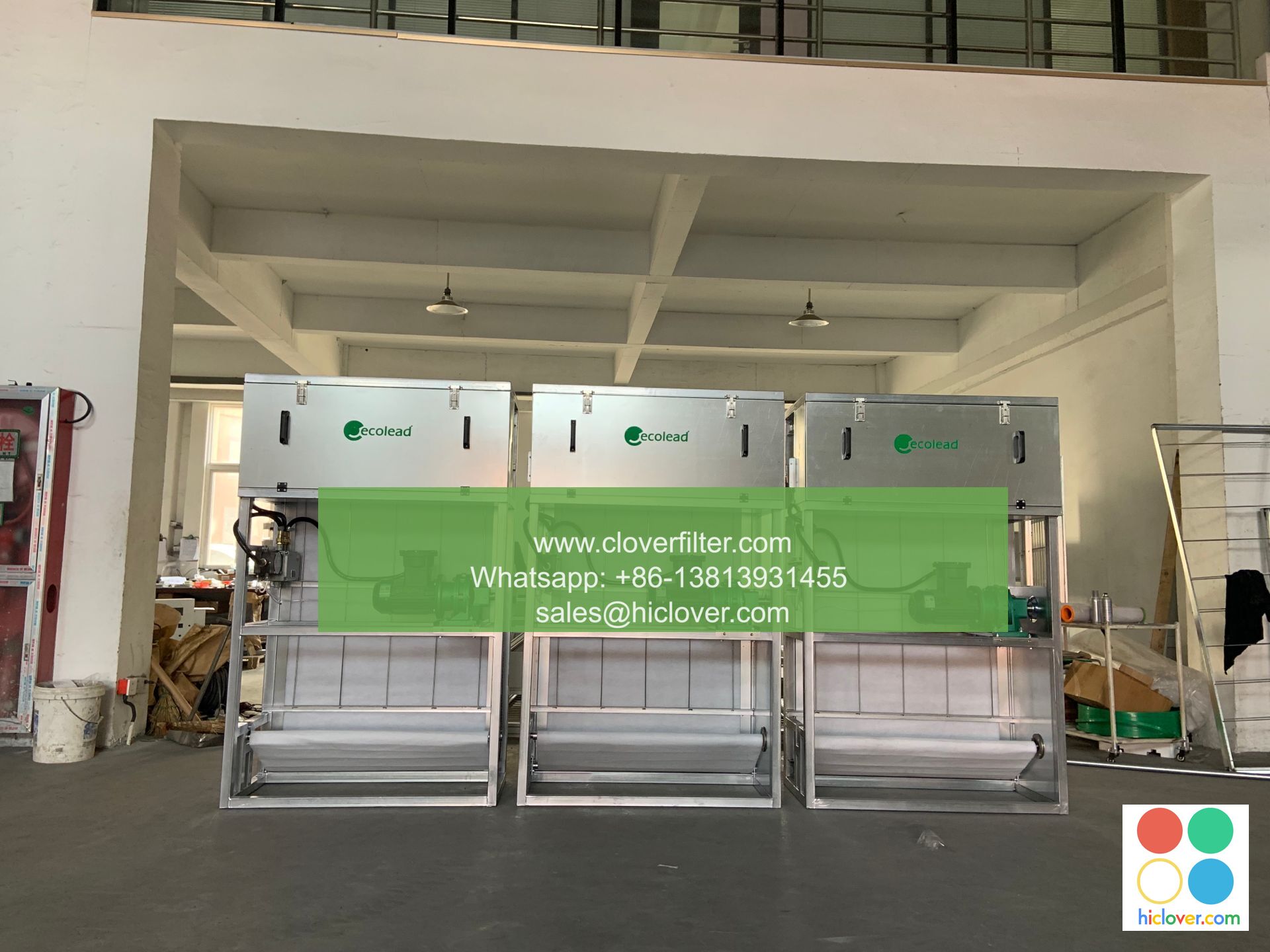
An Automatic Roll Air Filter represents a significant advancement in air filter technology, designed primarily for high-performance environments like manufacturing facilities and cleanrooms. These filters employ a roll media that automatically advances when the pressure differential reaches a predetermined threshold, triggering a timer mode that indicates maintenance needs. This innovative design allows for continuous filtration without the constant manual intervention associated with traditional filters.

In HVAC and Air Handling Units (AHUs), the Automatic Roll Air Filter serves as a prefilter for fresh air intake, ensuring that particulate matter is effectively captured without placing excessive strain on the system.
How Does It Work?
The operation of an Automatic Roll Air Filter hinges on key functionalities:
These operational strategies translate into lowered risks of filter bypass and improved air quality across various settings.
Practical Selection Guide
When choosing the right Automatic Roll Air Filter, consider the following:
| Feature | Recommendation |
|---|---|
| Airflow Range | Select based on facility size and operational demands. |
| Face Velocity | Aim for 1-2 m/s for optimal balance of energy efficiency and filtration. |
| Media Width/Length | Customize according to system design and installation constraints. |
| Frame Size | Ensure compatibility with existing AHU or installation points. |
| Control Options | Evaluate digital vs. analog options based on operational preferences. |
| Power Supply | Compatibility with facility electrical standards is essential. |
| Installation Location | Consider whether it will be placed at fresh air intake, return systems, or process flows. |
Comparison Table: Different Filter Types
| Filter Type | Best Use Case | Maintenance | Pressure Drop Behavior | Operating Cost | Typical Risk/Downside |
|---|---|---|---|---|---|
| Automatic Roll Air Filter | High particulate load environments | Low | Stable | Moderate savings | Requires correct installation |
| Bag Filter | Standard industrial applications | Moderate | Moderate | Moderate | Takes up more space |
| Panel Filter | Light-duty installations | High | Higher | Low | Frequent replacement needed |
| V-bank | Large volumes of air | Moderate | Variable | Higher | May block airflow |
Common Mistakes & How to Avoid Them
Real-World Scenarios
FAQ Section
Q: What is the primary advantage of using an Automatic Roll Air Filter?
A: The primary advantage is the automatic media advancement, which enhances efficiency and reduces maintenance downtime.
Q: Can these filters be tailored to specific airflow needs?
A: Yes, they can be customized based on the specific airflow requirements of your facility.
Q: How does the differential pressure trigger work?
A: It activates the media advancement when a certain pressure drop is detected, ensuring optimal filtration is maintained.
Q: Are they energy-efficient?
A: Yes, they are designed to minimize energy use while maximizing filtration performance.
Q: What industries benefit the most from these filters?
A: Industries such as healthcare, data centers, and manufacturing, particularly those requiring high levels of cleanliness.
Q: How does this filter compare to traditional filters in terms of maintenance?
A: Automatic Roll Air Filters generally require less frequent maintenance compared to traditional filters due to their self-advancing media system.
Q: Are these filters compliant with industry standards?
A: They can be manufactured to meet standards like ISO 16890 or others, but specific certifications should be verified with the manufacturer.
Q: Where can I find more information on selecting these filters?
A: More details can be found at CloverFilter’s official website.
With the evolution of air filter technology, embracing an Automatic Roll Air Filter system ensures optimal performance, efficiency, and cleanliness across various industrial applications. CloverFilter’s commitment to innovation and quality positions it as a reliable partner for your industrial air filtration needs. Explore more about Automatic Roll Air Filters and how they can benefit your facility at CloverFilter.
Meta Description: Discover the efficiency and effectiveness of Automatic Roll Air Filters in industrial applications. Learn about air filter technology, selection, and benefits.
For more expert guidance on your air filtration needs, contact CloverFilter at CloverFilter Contact.
It looks like you entered “Prompt.” Could you please provide more details or specify what kind of prompt you are looking for? Whether it’s a writing prompt, a question, or something else, I’m here to help!
