Automatic Roll Air Filters: A Critical Component of Biosafety Lab Safety Protocols
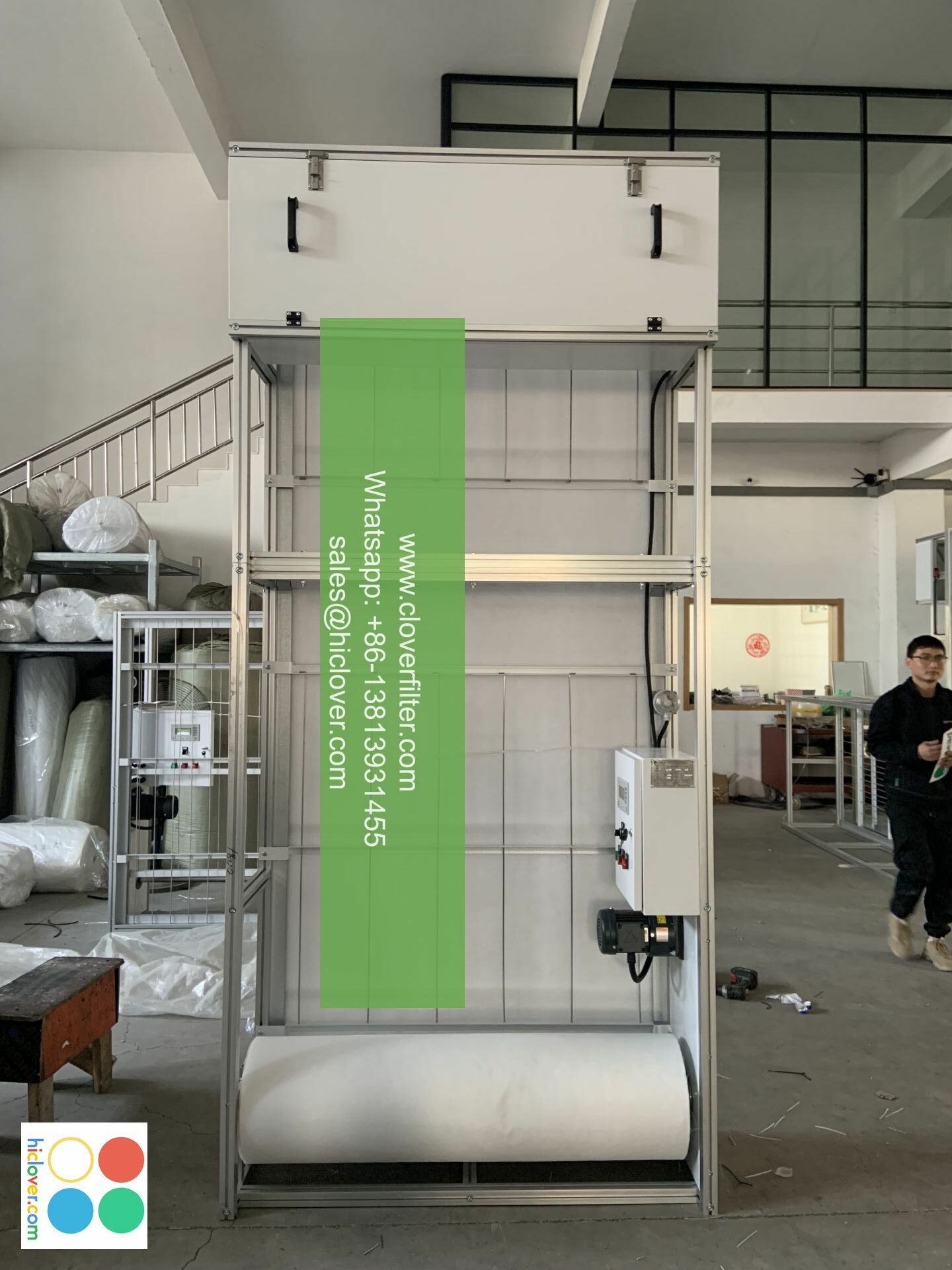
Biosafety laboratories are essential for conducting research and tests involving dangerous pathogens and biological agents. In these high-stakes environments, maintaining a clean and safe atmosphere is paramount. One of the key elements that contribute to this safety is the use of automatic roll air filters, which play an indispensable role in ensuring laboratory integrity by filtering the air and eliminating contaminants.
Understanding Automatic Roll Air Filters

Automatic roll air filters are mechanical systems designed to provide continuous air filtration in a range of laboratory settings. Unlike standard air filters, these systems automatically advance fresh filtering media, ensuring a constant flow of clean air. By maintaining optimal air quality, they minimize the risks associated with exposure to hazardous biological materials.
Importance in Biosafety Protocols
In the context of biosafety labs, where pathogens can pose significant health risks, automatic roll air filters are critical. Key benefits include:
- Continuous Filtration: Ensures the air is constantly filtered, minimizing the risk of airborne contamination.
- Reduced Labor Costs: Automation decreases the need for manual filter replacements, saving time and resources.
- Enhanced Safety: By promptly sensing and responding to air quality changes, they enhance overall safety protocols.

Application Areas of Automatic Roll Air Filters
These filters find extensive utility in several key areas, including:
1. Clinical Laboratories
In clinical settings, where patient samples are processed, maintaining sterility is essential. Automatic roll air filters help reduce the presence of pathogens in the atmosphere, thereby safeguarding healthcare workers and patients alike.
2. Pharmaceutical Industry
Pharmaceutical companies rely on these filters to ensure that the air in manufacturing and research environments is free from contaminants. This is crucial for the production of sterile medications and vaccines.
3. Research Facilities
Research labs handling infectious agents or genetically modified organisms benefit from automatic roll air filters to guarantee that their projects are conducted in a secure atmosphere, reducing the risk of accidental release of biohazardous materials.
4. Agricultural Laboratories
In agricultural research, these filters play a vital role in studying plant and animal pathogens. They help prevent the spread of contaminants and protect the integrity of experiments involving sensitive organisms.
Challenges and Considerations
While automatic roll air filters offer numerous advantages, it is essential to consider potential challenges. For instance, ensuring compatibility with existing ventilation systems, maintaining regular inspection protocols, and addressing energy consumption are vital aspects to monitor.
Conclusion
In conclusion, automatic roll air filters are a fundamental component of biosafety laboratory safety protocols. Their capacity to continuously filter air significantly reduces the risk of contaminated environments, thereby enhancing laboratory safety. As the need for research involving hazardous biological agents increases, so does the importance of incorporating such advanced filtration systems in biosafety protocols across various sectors.
