Principles and Mechanisms Behind Self-Advancing Filter Media

Self-advancing filter media represent a revolutionary advancement in filtration technology, enabling more efficient and effective filtering processes across various industries. This article will delve into the principles and mechanisms governing these systems, highlighting their applications across several sectors.
Understanding Self-Advancing Filter Media
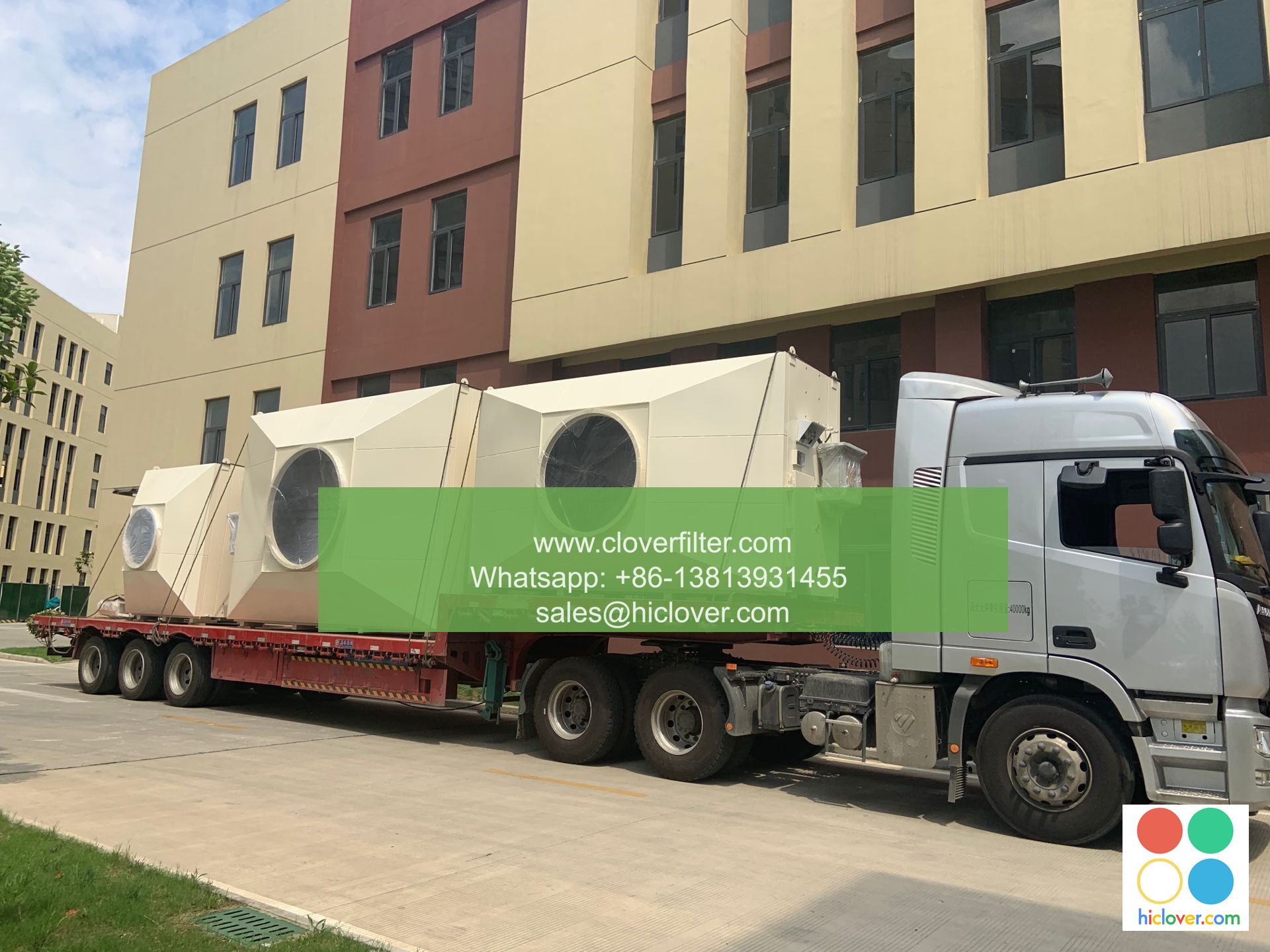
Self-advancing filter media employ a unique mechanism that allows them to maintain optimal filtering efficiency over time. This mechanism is based on the systematic advancement of filter media within a filtration unit, which prevents the buildup of particulate matter on the surface. By continually presenting clean filtering surfaces, these media can extend operational lifetimes and reduce maintenance costs.
Principles of Operation
The core principles governing self-advancing filter media include:
- Self-Cleaning Mechanism: The mechanism typically incorporates a self-cleaning feature that helps remove accumulated contaminants. This is often achieved through backwashing or the use of vibrations that dislodge particles.
- Progressive Filtration: As the filter advances, it continuously exposes new media, improving filtration efficacy and reducing clogging, which leads to higher flow rates.
- Modularity: Self-advancing filter media can be designed in modular systems, allowing for easy integration with existing filtration infrastructures.
- Mechanical Movement: Some systems use motorized drives to periodically advance the filter media. This ensures that cleaner sections of the media are always in contact with the fluid, maintaining high filtration efficiency.
- Fluidic Activation: Other filters utilize fluid flow dynamics to achieve self-advancements. This is often seen in gravity-fed systems where pressure differences facilitate movement.
- Automated Monitoring Sensors: Advanced systems integrate sensors that monitor the filtration process in real-time, enabling proactive adjustments in the media advancement to optimize performance.
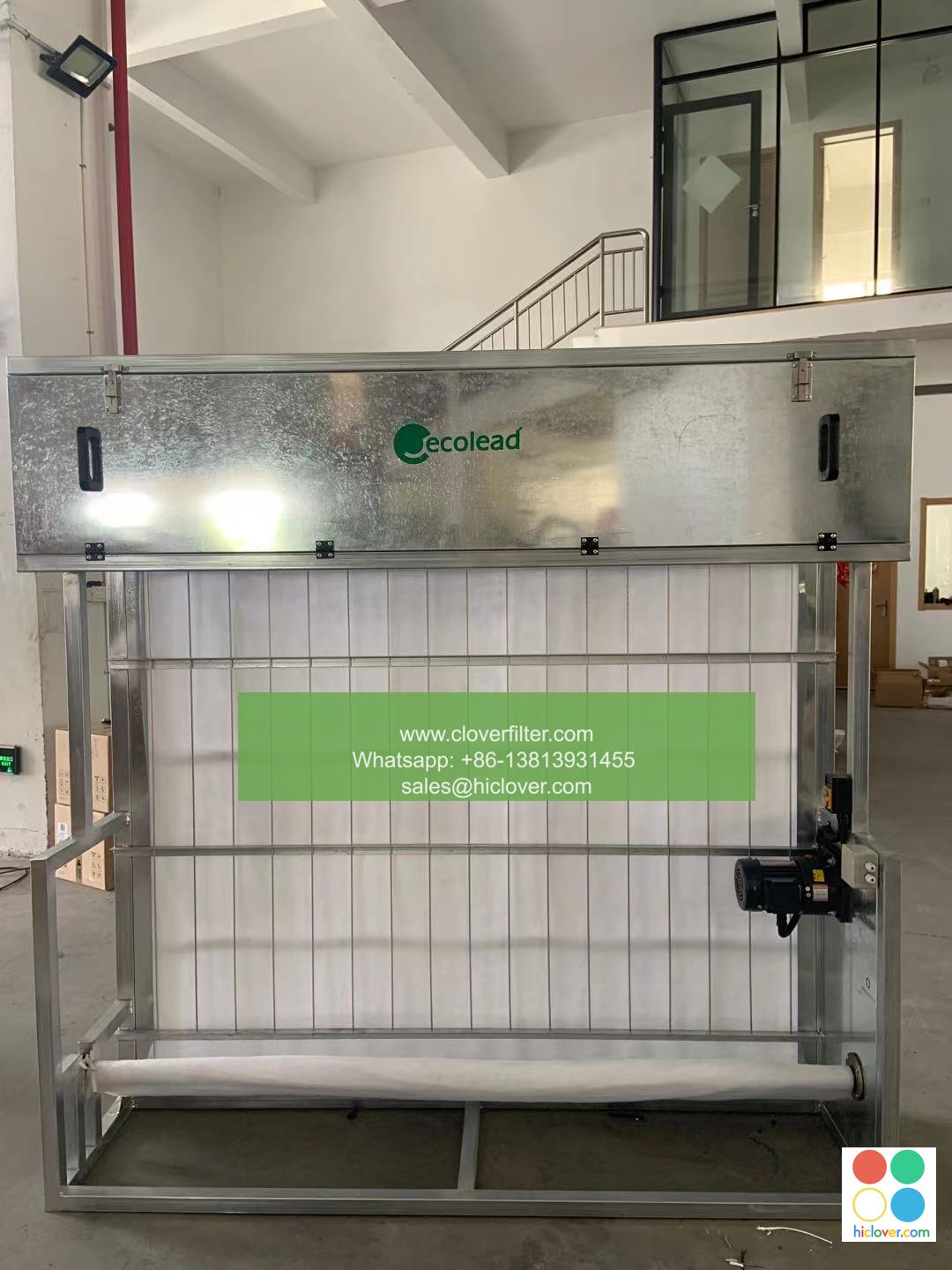
Mechanisms of Self-Advancing Filter Media
The mechanisms behind these filters can be classified into several key technologies:
Applications of Self-Advancing Filter Media
Self-advancing filter media have diverse applications across various sectors, including:
1. Water Treatment
In municipal and industrial water treatment, self-advancing filters are used to remove suspended solids, microbial contaminants, and organic matter, delivering high-quality water while minimizing downtime and maintenance.
2. Oil and Gas Industry
These advanced filter systems help in separating solids from liquids in drilling operations, providing a cleaner fluid for reuse and reducing environmental impacts.
3. Food and Beverage Industry
In this sector, maintaining stringent hygiene standards is crucial. Self-advancing filter media ensure a constant supply of clean liquids while minimizing risks of contamination.
4. Microelectronics Manufacturing
As production scales up, the demand for ultra-pure water increases. Self-advancing filters play a vital role in achieving the necessary purity levels required in this high-precision field.
Conclusion
The principles and mechanisms that drive self-advancing filter media solutions not only enhance filtration performance but also promise greater efficiency and sustainability across multiple industries. As technology continues to evolve, we can expect further innovations in self-advancing filtration systems, paving the way for enhanced applications and improved operational capabilities in various sectors.
It seems you might be looking for ideas or a specific topic for a prompt. Could you please provide more context or specify what type of prompt you’re interested in? This could include writing prompts, art prompts, discussion topics, or anything else you have in mind!
