A Cost-Benefit Analysis of Automatic Roll Air Filters in Research Labs
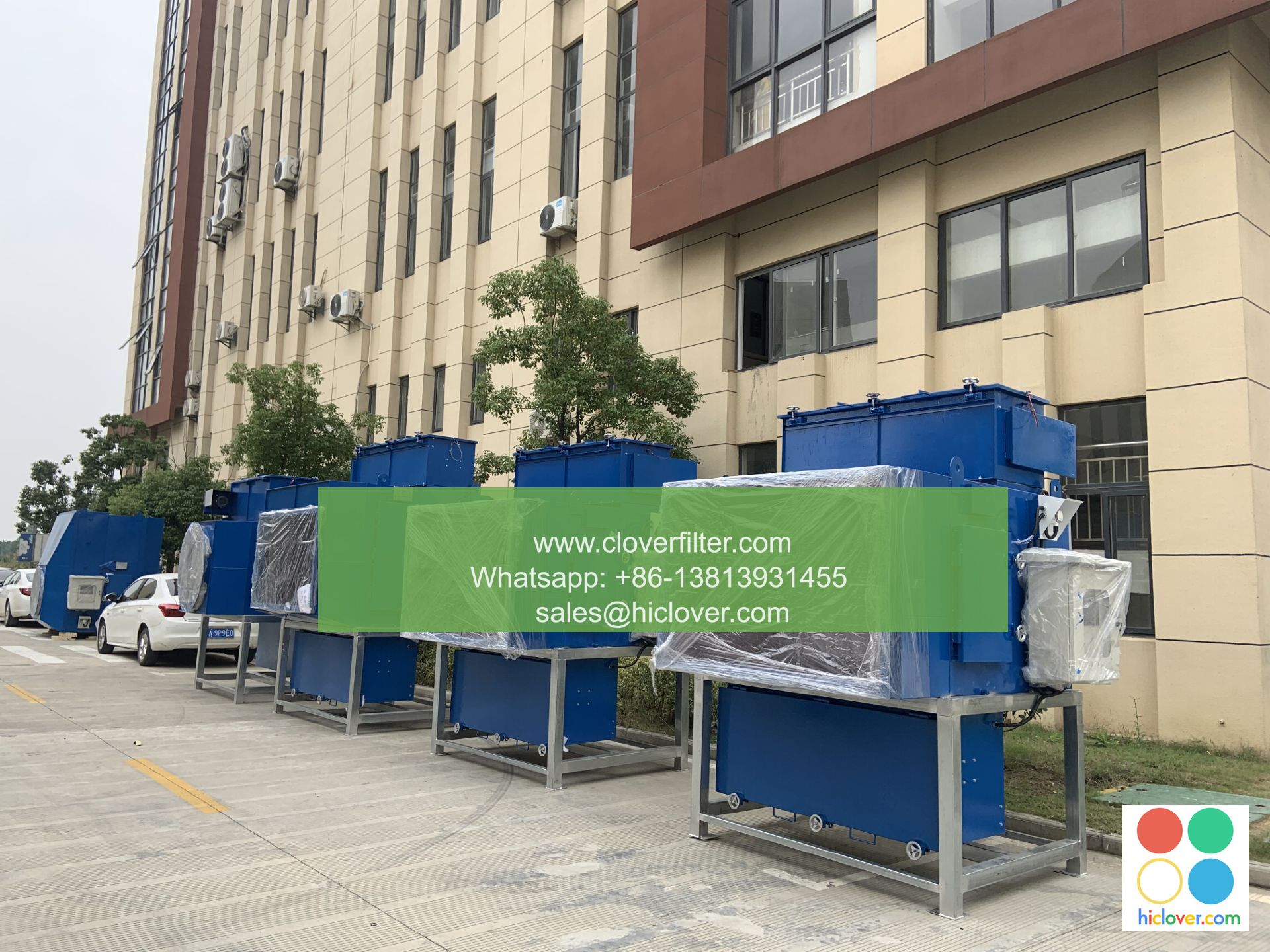
In the fast-paced environment of research laboratories, maintaining optimal air quality is crucial for both the safety and productivity of researchers. As laboratories conduct experiments that often involve hazardous materials, the need for effective air filtration systems becomes paramount. This article provides a detailed cost-benefit analysis of automatic roll air filters, summarizing their advantages and challenges in various research applications.
Understanding Automatic Roll Air Filters

Automatic roll air filters are advanced filtration systems designed to improve indoor air quality by efficiently removing airborne contaminants. These systems use a continuous roll of filter media that automatically advances as it becomes saturated, ensuring a consistently clean air output without requiring frequent manual changes. With applications across biomedical engineering, environmental research, and pharmaceutical development, the utilization of these filters can significantly enhance lab operations.
Benefits of Automatic Roll Air Filters
1. Enhanced Air Quality
One of the primary advantages of automatic roll air filters is their ability to maintain superior air quality. By consistently filtering out particulate matter, chemicals, and biological contaminants, these systems ensure a safe working environment for scientists. This is particularly important in biotechnology and clinical research labs, where exposure to harmful agents can lead to severe health risks.
2. Reduced Labor Costs
Traditional filters require regular manual replacement, leading to increased labor costs and downtime. Automatic roll air filters, however, minimize the need for routine maintenance. This aspect can significantly optimize staffing resources in research facilities, making funds available for other critical projects.

3. Improved Equipment Lifespan
Clean air is vital for the longevity of sensitive lab equipment. The use of automatic roll air filters can protect valuable instruments from dust and chemical damage, thus preventing costly repairs and replacements over time. In disciplines like material science, where precision is key, this benefit cannot be overstated.
Cost Considerations
1. Initial Investment
The upfront cost of installing automatic roll air filters can be higher than traditional systems. Procurement, installation, and setup might require significant capital investment, which is a critical factor for many research labs operating within tight budgets.
2. Energy Consumption
While automatic systems can lead to savings in labor, they can also consume more energy, particularly in high-usage environments. It’s important for facilities to consider their overall energy expenditures when evaluating the long-term viability of these filters.
Comparative Analysis
To fully understand the return on investment (ROI) of automatic roll air filters, a lab must evaluate their specific needs. A comparative analysis of operational efficiency, energy consumption, and air quality improvements against traditional air filtration systems can provide valuable insights. Furthermore, labs engaged in high-stakes research may find the benefits of maintaining stringent air quality standards to outweigh the initial costs, demonstrating a clear ROI over time.
Application Areas
1. Biomedical Research
In biomedical labs, air contamination can compromise sensitive experiments. Automatic roll air filters ensure that airborne pathogens and chemicals are effectively filtered out, safeguarding researchers’ health and experiment integrity.
2. Chemical Laboratories
The presence of volatile organic compounds and hazardous fumes makes air quality paramount in chemical laboratories. These filters provide an efficient means to mitigate exposure risks, supporting safe handling and experimentation.
3. Clean Rooms
In clean room environments, maintaining particle-free air is crucial. Automatic roll air filters offer a significant advantage by continuously providing high-efficiency filtration without needing frequent manual intervention, thereby supporting compliance with strict regulatory standards.
Conclusion
In conclusion, the implementation of automatic roll air filters in research laboratories offers substantial benefits, from enhanced air quality and reduced labor costs to improved equipment longevity. However, careful consideration of initial investment and energy consumption is necessary to ensure that their implementation aligns with the lab’s operational objectives. Ultimately, research labs must weigh these factors based on their unique challenges and goals to determine whether adopting automatic roll air filters is the right choice for their environment.
