Understanding Automatic Roll Air Filters and Their Application in Western University Labs
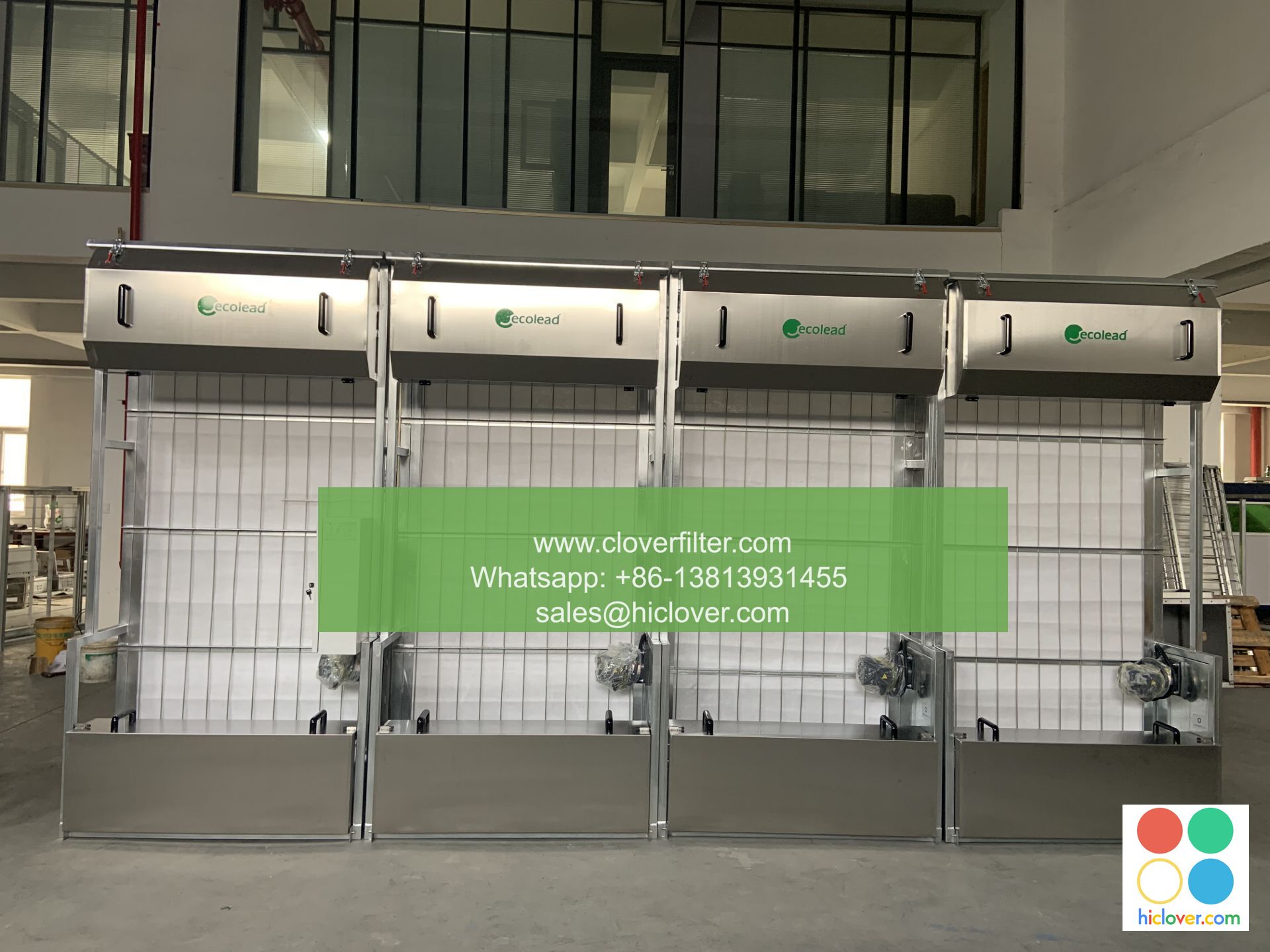
In scientific research and experimentation, the quality of the surrounding environment is paramount. One often-overlooked aspect of maintaining a suitable laboratory atmosphere is air quality. Automatic roll air filters are essential in ensuring optimal conditions by filtering out contaminants. This article will explore the benefits of automatic roll air filters and their applications in the labs at Western University.
What are Automatic Roll Air Filters?

Automatic roll air filters are advanced filtration systems designed to capture airborne particulates, including dust, pollen, smoke, and other contaminants. These filters operate on a continuous roll mechanism, allowing for a consistent supply of clean air. The automatic feature refers to the filter’s ability to advance and replace the filtration media without manual intervention, ensuring efficient operation and maintenance.
Key Features of Automatic Roll Air Filters
-
Efficient Air Filtration: These filters are designed with multi-layer filtration media that trap various sizes of particles, providing high-efficiency particulate air (HEPA) filtration.
-
Low Maintenance: The roll mechanism reduces the need for manual filter replacement, allowing laboratory personnel to focus on research instead of routine maintenance.
-
Energy Efficient: Automatic roll air filters are designed to work seamlessly with HVAC systems, optimizing energy usage while maintaining airflow and air quality.
-
Customizable Options: Laboratories can customize filters based on specific contaminants they need to control, ensuring tailored air quality solutions.

Applications in Western University Labs
1. Biological Research Facilities
In biological research laboratories, maintaining sterile environments is crucial for experiments involving cell cultures and microbial studies. Automatic roll air filters help create aseptic conditions by filtering out microorganisms and dust, thus preventing contamination of sensitive samples.
2. Chemical and Material Science Labs
Research in chemical analysis and material sciences often involves fine powders and chemical vapors. Automatic roll air filters are essential in these laboratories for controlling airborne chemicals and particulate matter, ensuring the safety of researchers and the integrity of experiments.
3. Environmental Studies
Western University’s environmental science labs study air quality, climate change, and pollution. Using automatic roll air filters in these settings helps simulate various environmental conditions by providing clean air, allowing for more accurate data collection and analysis.
4. Engineering Labs
In engineering laboratories, especially those focused on manufacturing and design, automatic roll air filters assist in reducing particulate emissions from machinery. This not only ensures cleaner air for researchers but also protects sensitive equipment from dust accumulation.
5. Physics and Nanotechnology Research
Nanotechnology research requires ultra-clean environments to avoid interference during experiments. Automatic roll air filters help achieve the necessary air purity levels, which is critical for reliable results in atomic-level research.
Conclusion
Maintaining high air quality is an essential component of laboratory operations at Western University. Automatic roll air filters provide a reliable and efficient solution for managing airborne contaminants across various research disciplines. By investing in such advanced filtration systems, these laboratories ensure a conducive environment for innovation and discovery, ultimately contributing to scientific advancement and public health.
Keywords:
- Air Quality Management
- Automatic Roll Air Filters
- Laboratory Filtration Systems
- HEPA Filters
- Contaminant Control
In conclusion, understanding the functionality and applications of automatic roll air filters is vital for any institution focused on cutting-edge research. With their efficiency and versatility, these filters play a significant role in enhancing the safety and quality of laboratory environments at Western University.
